


The new era of blueberry genetics: Innovations and market outlook for new variety releases – Part 2
 Add Fresh Fruit Portal to Google
This article is the second installment in a multi-part series covering the newest releases and developments from leading genetic breeding programs across the global blueberry industry.
The global blueberry industry is experiencing a strategic shift driven by advanced plant genetics. Today, retailers and consumers demand a consistent, year-round eating experience, defined by superior flavor, crunch, large caliber, and extended postharvest shelf-life, across every calendar week and origin.
At the same time, growers face evolving production environments and rising operational demands, requiring high-yielding, resilient varieties that maximize field profitability. To meet these dual needs, leading global programs are leveraging natural breeding, agronomy, multi-site global trials, and strategic varietal integration.
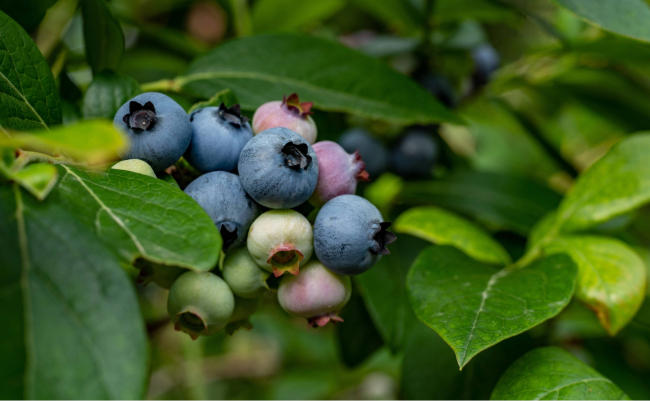
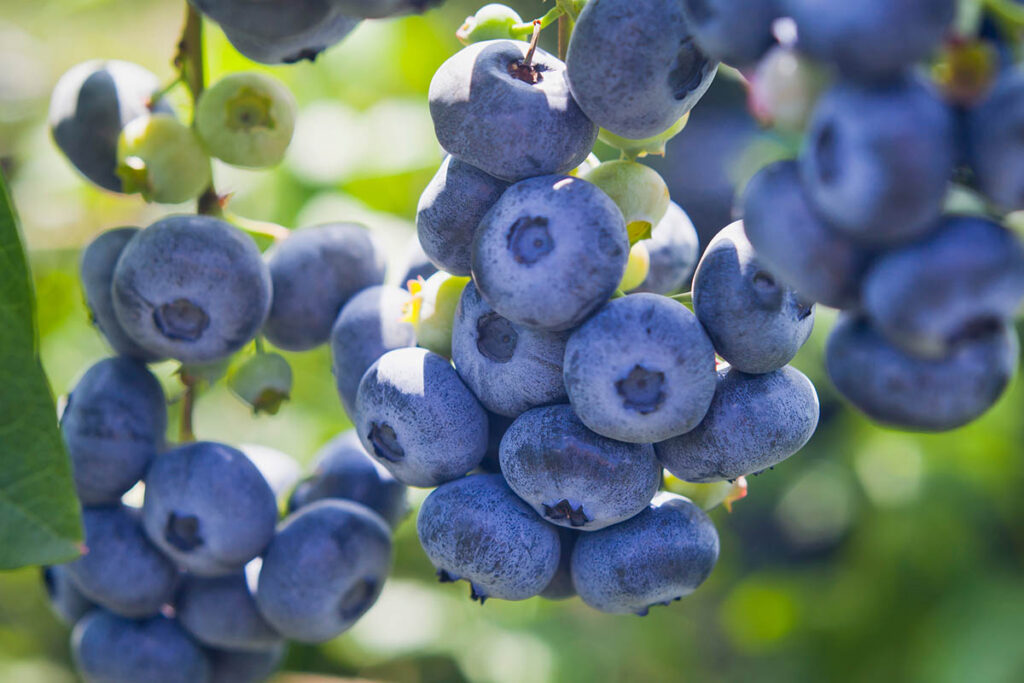
Image by Shutterstock
In this context, two industry-leading companies and key players in the global market, Driscoll’s and Hortifrut, have presented their latest innovations.
Below, we take a deep dive into their recent releases, competitive advantages, and commercial market outlooks.
Driscoll’s: Devoted to flavor, driven by innovation
Driscoll’s combines natural breeding techniques with plant science, agronomy, sensory evaluation, and commercial testing to deliver proprietary genetics that meet evolving consumer, grower, and retailer demands across major global growing regions.
Breeding and genetics program
Building on more than 140 years of berry leadership, Driscoll’s has developed an advanced blueberry breeding program centered on high-performing proprietary genetics. Its strategic framework integrates internal breeding breakthroughs, such as varieties developed through its Florida program, with selected genetics from Costa.
The program applies rigorous selection standards focusing on flavor, fruit quality, firmness, grower-friendly agronomic traits, and supply chain performance. This global footprint enables year-round production across key regions, including Australia, China, Morocco, Southern Africa, Peru, Mexico, and the United States.
- Driscoll’s Rosita™
Developed through the Florida breeding program, Driscoll’s Rosita represents the next generation of premium eating quality, featuring exceptional sweetness, a crisp texture, and outstanding shelf life.
Marketed as part of the premium Sweetest Batch line, Rosita delivers a high-end eating experience while maintaining operational durability across supply chain channels.
To complement its proprietary lines and expand seasonal coverage across diverse production environments, Driscoll’s has integrated key selections from the Costa breeding programs to complement and create a robust genetic pipeline from early, mid, and late season varieties:
- Eterna™
This cultivar is an early-season variety delivering premium fruit quality, combining large berry size, distinctive striped bloom, excellent firmness, and outstanding visual appeal. Eterna is also well positioned to create early-season differentiation through a highly recognizable, premium-looking berry.
- Breeze™
A mid-season variety combining strong field productivity with consistently attractive, high-quality fruit, Breeze was designed to balance grower performance with the fruit quality and visual appeal required for strong commercial programs.
- Cascade™
A late-season variety delivering large berries, exceptional flavor, and excellent postharvest performance, Cascade’s long-lasting shelf life supports reliable quality through the supply chain and a strong consumer experience late in the season.
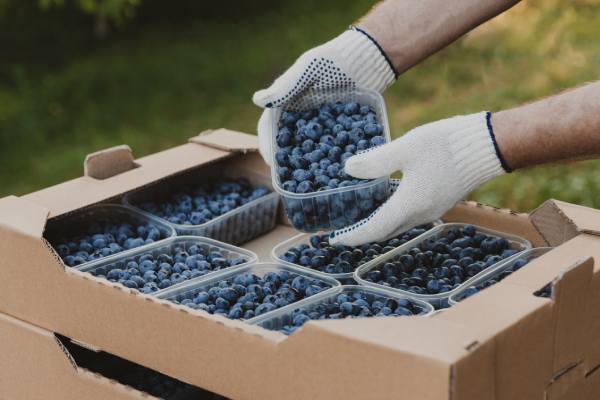
Image by Shutterstock
Mid-chill cultivars
In addition to Driscoll’s strong low-chill portfolio, the firm offers two compelling varieties for mid-chill environments: Kimberley and Regina.
Together, they extend the company’s footprint into markets such as Iberia, combining strong agronomic performance with the fruit quality and postharvest characteristics required for successful commercial programs.
- Regina™
The cultivar is a mid-chill variety well adapted to Portuguese growing conditions, combining high-quality, commercially attractive fruit with strong storage potential. Its ability to maintain quality through storage provides greater flexibility across the supply chain and supports premium programs.
- Kimberley™
A highly productive variety, Kimberly combines strong field performance with firm, high-quality fruit and solid shelf life. Its balance of productivity and postharvest performance supports reliable commercial programs, consistent fruit quality and efficient supply-chain execution.
Hortifrut: Flavor first, built for grower profitability
Hortifrut Genetics (HFG), the plant genetics and licensing arm of the Hortifrut Group, develops and licenses targeted Southern Highbush (SHB) and Northern Highbush (NHB) varieties designed to balance consumer fruit quality with long-distance logistics and field yield.
Breeding and genetics program
HFG anchors its breeding hierarchy around flavor and fruit quality as primary drivers of consumer repeat purchases. To ensure commercial viability, selections must simultaneously deliver strong grower yields, firmness, large fruit caliber, and extended shelf life.
The portfolio spans zero/low-chill Southern Highbush selections for evergreen systems and Northern Highbush varieties engineered in partnership with Michigan Blueberry Growers for mid- and high-chill environments.

Image by Shutterstock
Southern highbush: The Lazuli family for low-chill regions
A low-chill, early-season selection built to open export windows with superior genetics and fruit quality, LAZULISUN features a concentrated harvest window that increases picking efficiency and minimizes field labor costs. This variety combines a distinct flavor profile with a crisp texture and solid firmness.
Meanwhile, LAZULIMOON is HFG’s newest zero- to low-chill SHB release targeted at the mid-season window. Launched this year, the cultivar delivers high yield, with over 75 percent of harvested fruit exceeding 20 millimeters in diameter. The fruit is firm and has a balanced flavor profile, with Brix above 13 and acidity below 0.6 percent, making it ideal for long-haul ocean freight.
Northern highbush: A complementary line-up across the season
- APOLO
A reliable early-season, mid-chill variety planted in Chile, Portugal, and Central/Eastern Europe, APOLO delivers high productivity with broad environmental adaptability. The variety maintains firmness and quality for over 40 days in cold storage, with large, crisp berries with outstanding firmness.
- ENVOY
The cultivar is an early-season, mid-chill variety that ripens in the same window as Apolo. It features an upright architecture tailored for machine harvesting. Commercialized under the Naturipe Sweet Selections® and Mighty Blues labels, the berry is large, sweet, firm, and juicy.
- CHARISMA
A productive mid/high-chill variety that bridges the gap between early and late harvest windows, CHARISMA features a concentrated harvest timing, producing large, firm, crunchy, and aromatic berries; marketed under the Mighty Blues label.
- KEEPSAKE
This is a high-chill, mid-late season variety developed to complement Apolo and extend supply late into the season. It offers a crisp texture and pronounced firmness, and is packed under the Naturipe Sweet Selections label in the US market.
Industry outlook: The future of blueberry breeding

The innovations in genetics from Driscoll’s and Hortifrut show that modern blueberry breeding has become the primary engine of competitiveness for the global industry.
Yield alone no longer defines commercial success, as the winning formula requires an integrated balance of exceptional flavor, firmness, caliber, and shelf life alongside grower economics, climate adaptability, and machine-harvest suitability that alleviates labor constraints.
By matching specialized Southern Highbush and Northern Highbush genetics across production origins and harvest windows, and combining global breeding strengths, these programs ensure supply chain stability, consistent year-round fruit quality, and sustainable long-term value for growers, retailers, and consumers worldwide.
This story was originally published on the International Blueberry Organization’s website on October 9th, 2026.
*All images are referential via Shutterstock.
Related stories
The new era of blueberry genetics: Innovations and market outlook for new variety releases – Part 1