


Brazilian apple bumper crop boosts exports
 Add Fresh Fruit Portal to Google
Brazilian apple growers are turning a larger-than-usual harvest into an export opportunity. With 2025/26 production forecast to jump 20 percent, the industry’s international shipments climbed 180 percent year on year through August 2026, according to the USDA Foreign Agricultural Service (FAS).
In its October 14 report, From Orchard to Export: A Portrait of Brazil's Evolving Apple Industry, the agency forecasts production at 1.2 million metric tons. However, the larger crop has squeezed growers’ returns.
“Subdued consumer demand, constrained by purchasing power, compounded the oversupply: producers received approximately 30 percent less than the prior year, making 2026 a challenging year for apple growers," the assessment notes.
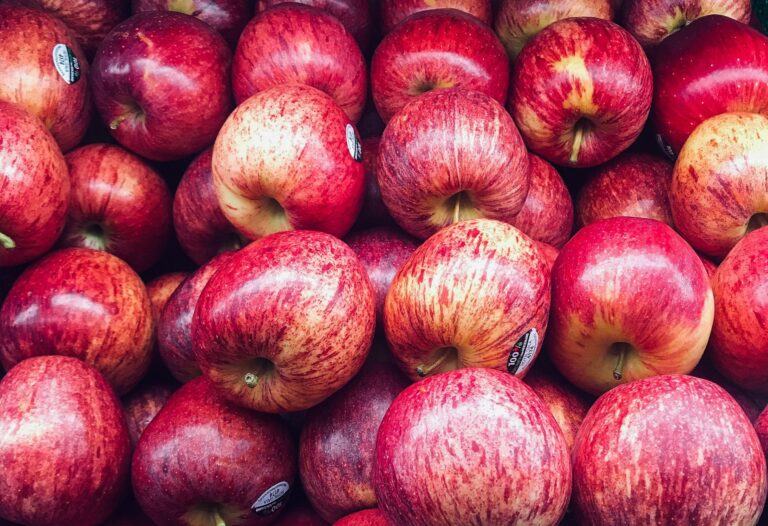
Photo by Rizky Septiana via Unsplash.
FAS puts farmgate prices for conventional apples at approximately 36 to 44 cents per pound, with retail prices ranging from about $1.07 to $1.25 per pound.
Brazil ranks as the world’s ninth-largest apple grower, with production concentrated in the southern states of Santa Catarina, Rio Grande do Sul, and Paraná. Historically, about 93 percent of fresh apples stay home, making export growth particularly notable amid oversupply.
Gala and Fuji dominate the market, representing about 60 percent and 40 percent of production, respectively. Growers are also adopting newer varieties and strains, including Galaxy, Fuji Suprema, and Pink Lady, to improve fruit color and storage performance.
Brazilian apple shipments expand
As a direct result of higher production levels and lower domestic prices, growers started sending out larger shipments, FAS noted.
“Brazilian apples' export footprint is far smaller but strategically concentrated in a handful of markets, most notably India, Bangladesh, the European Union, Russia, the United Kingdom, and a few Middle Eastern countries,” says the report.
India led destination markets with 18,800 metric tons, six times its full-year 2025 total. Shipments to Saudi Arabia reached 9,900 metric tons, up from 1,100 metric tons in 2025, while exports to Russia rebounded to 5,400 metric tons. Shipments to the European Union totaled 8,500 metric tons, up 59 percent from 2025.
Unsurprisingly, imports declined sharply. Brazil typically imports apples from Chile, Argentina, and the European Union between June and December to supplement supplies outside its harvest period.
Photo by Matheus Cenali via Unsplash.
"The across-the-board decline in 2026 reflects Brazil's record domestic harvest suppressing off-season import demand. Volumes are expected to recover as cold-stored domestic supplies draw down later in the year," the document says of the decline.
US exporters face a seasonal window
United States apple shipments to Brazil remain limited despite authorized bilateral trade arrangements. Brazil imported an average of just 244 metric tons of US apples annually from 2023 through 2025, according to the report.
“This figure represents a fraction of the volumes supplied by leading origins, such as the European Union (80.4 TMT in 2025) and Argentina (40.5 TMT in 2025),” the report says.
FAS identifies December through February as the most promising window for US apple exporters, before Brazil’s domestic harvest begins.
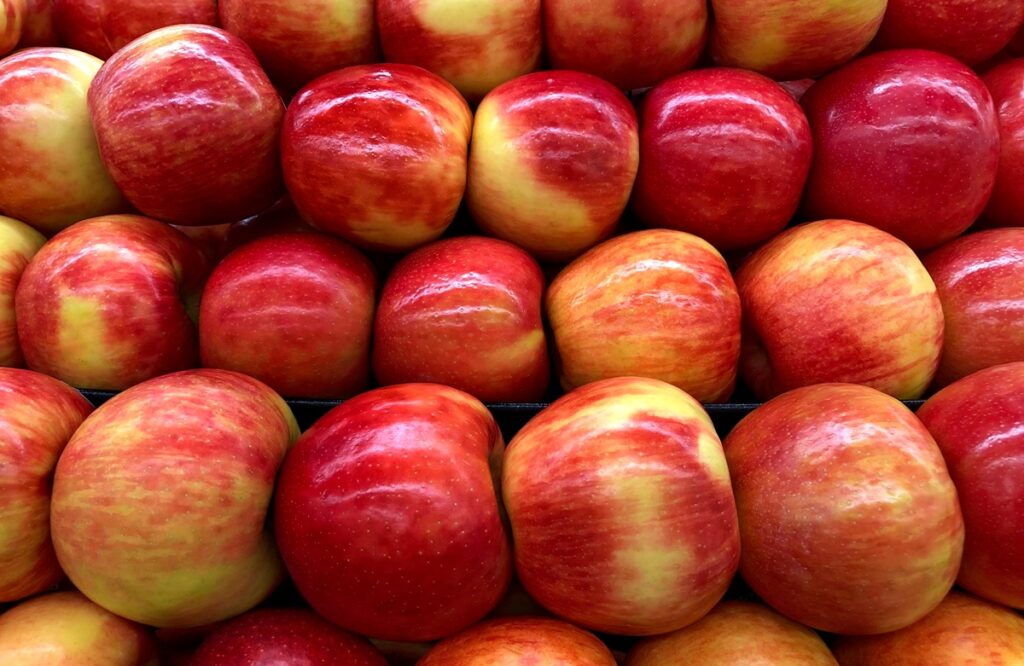
*Main photo via Shutterstock.
Related stories
New Brazilian pear scores higher yields, longer shelf life, and improved pest resilience
Brazilian orange juice market eyes late-2026 price recovery following period of volatility
35 percent US tariff on Brazilian table grapes has local export sector on high alert