


Colombian Hass avocado looks to the future amid export decline
 Add Fresh Fruit Portal to Google
Abnormal weather, rising production costs, and economic headwinds are challenging produce operations worldwide. The Colombian Hass avocado industry is no exception. This season, the sector is facing those difficulties, as well as the appreciation of the peso against the dollar and lower fruit availability for export.
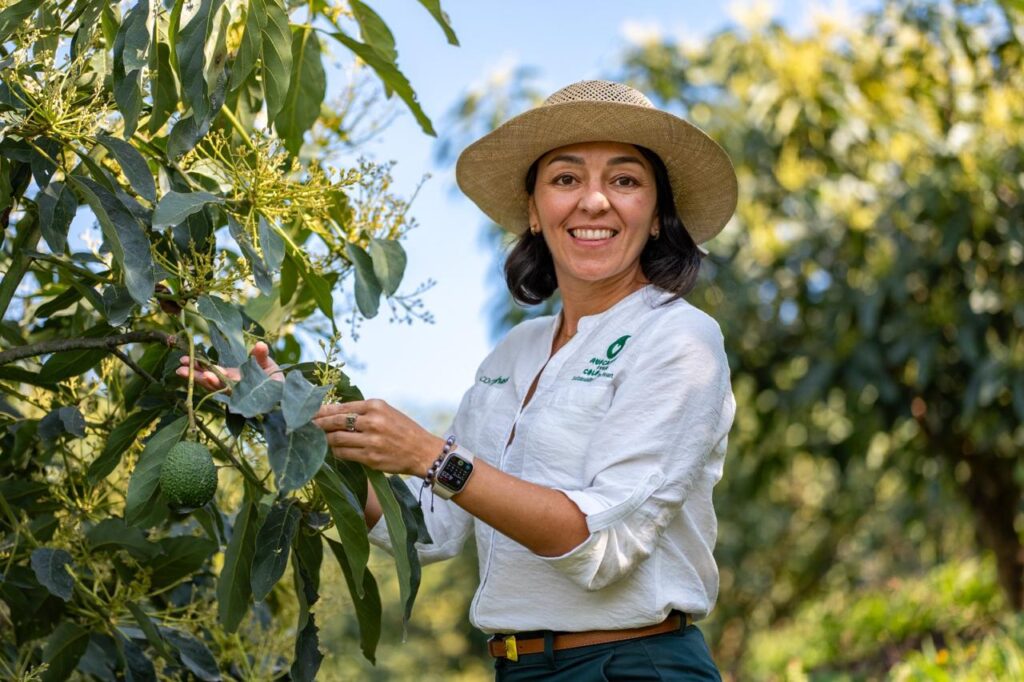
During the 2026 Global Produce & Floral Show, in Orlando, Florida, Katheryn Mejía, Executive President of the Corporation of Hass Avocado Producers and Exporters of Colombia (CorpoHass), told FreshFruitPortal.com that as of September 2026, exports are down 42 percent year on year.
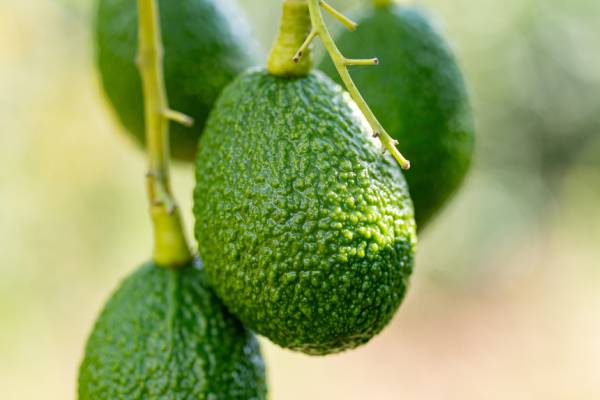
Image by Avocados from Colombia
The main driver of the decline has been excessive rainfall between late 2025 and early 2026, which affected crop flowering and reduced production. During the secondary harvest (cosecha traviesa), volumes dropped 59 percent year on year during a particularly relevant production window for supplying the US market.
“The increase in production costs and the appreciation of the Colombian peso against the US dollar have made operations difficult for producers and exporters, in a context where international prices have also presented a commercial challenge,” Mejía said.
Domestic Hass avocado consumption takes center stage
With reduced export availability, the Colombian market has become increasingly important as a commercial alternative.
CorpoHass has launched promotional campaigns to increase domestic demand for Hass avocados, linking the fruit to healthy lifestyles and high-performance athletes, such as Colombian cyclist Rigoberto Urán, who serves as an ambassador for Hass avocados.
Mejía noted that domestic consumption went from approximately 12,000 metric tons during the previous year to nearly 20,000 metric tons by mid-2026.

“This growth opens up new marketing opportunities for producers, especially in a context of supply constraints and unfavorable international prices,” she explained.
Weather, productivity, and demand: Tackling challenges one by one
Looking ahead, the executive mentioned that CorpoHass is closely monitoring weather conditions and their potential effect on the 2027 harvest.
Mejía explained that while excess rainfall reduces flowering and production volume, prolonged water deficit could affect fruit size and compromise its development. In this scenario, the sector is working on technical and nutritional support initiatives to help producers protect their crops for upcoming production cycles.
The executive said that if Colombia properly manages the effects of El Niño, “next year could represent an opportunity to recover volumes and improve commercial positioning.”
But the sector is looking beyond a challenging year and strategizing to tackle the hurdles that lie ahead. One of them, Mejía says, is improving productivity per acre.

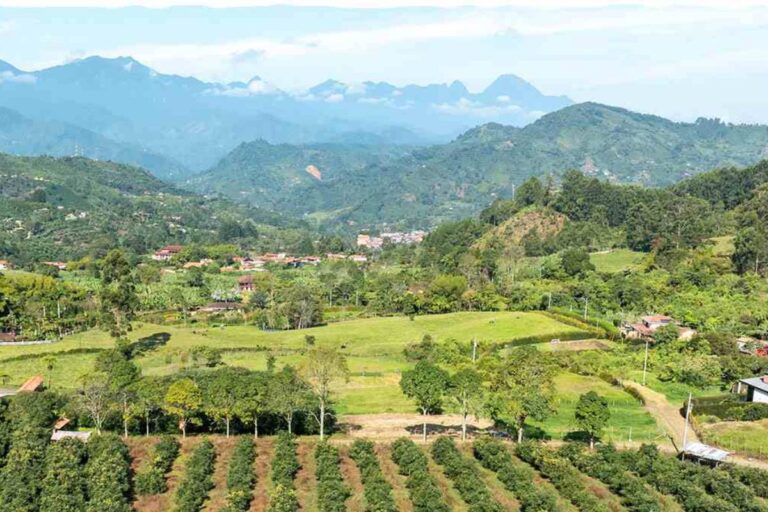
Image by Avocados from Colombia
Colombia currently has between 100,000 and 123,000 planted acres of Hass avocado, with yields varying significantly by farm. CorpoHass has set the ambitious goal of reaching an average of six metric tons per acre.
“Some producers, especially in smaller-scale farms, record yields of only two to three metric tons per acre, which hinders the profitability of their operations,” she said.
To get there, Mejía says the organization is promoting the renewal of plant material and a greater incorporation of clonal trees.
Additionally, the Mapa Hass (Hass avocado Map) project, which began with an initial satellite sweep to identify cultivated acreage, will make it possible to distinguish producing areas from those still in development and build a more precise database for the sector. The project spans five years and aims to move the sector toward digital agriculture tools and digital farm models.
“These solutions can help us better understand production conditions in each farm and guide technical decisions to improve yields,” the executive explained. “The challenge for 2027 will be to turn those tools into better yields and greater business opportunities, without losing sight of fruit quality and production sustainability.”
*Main image courtesy of Katherine Mejía. Other images by Avocados from Colombia unless stated otherwise.
The second edition of the Global Avocado Summit will be held on November 11, 2026, at the Monticello Casino Events Center in Santiago, Chile. Organized by Paltas de Chile and Yentzen Group, the meeting seeks to bring together the main players in a growing industry
The event has established itself as a key space for addressing commercial and sustainability issues in the industry, bringing together producers, exporters, buyers, certifiers, and innovators to analyze the sector’s challenges and opportunities.
For more info, contact events@yentzengroup.com
Related stories
Colombian Hass avocado industry pushes for productivity amid six percent acreage uptick
Colombian avocados continue to gain momentum in the US market