



India’s 2026/27 apple production to rebound

 Add Fresh Fruit Portal to Google
India’s apple market is gearing up for a stronger season, with domestic production and imports both expected to recover in 2026/27.
In its November 3 Fresh Deciduous Fruit Annual report, the United States Department of Agriculture’s Foreign Agricultural Service (FAS) forecasts commercial apple production at 2.59 million metric tons (MMT). If realized, supplies would be up three percent from the revised 2.50 million metric tons previously estimated.
Imports could also increase 19 percent to 511,000 metric tons, the assessment says. On that note, US apple shipments to India have recovered after the Asian country removed its 20 percent retaliatory tariff in September 2023.

Photo by Melody Ayres via Unsplash
India's total apple consumption is forecast to increase five percent to 2.91 million metric tons in MY 2026/27.
"Approximately 60 percent of apples are consumed fresh, while the remaining 40 percent, typically lower-quality fruit, is processed into products such as sauces, jams, juices and food ingredients," the report says.
Weather drives regional differences
The production recovery follows a challenging 2025/26 season, when adverse climate conditions significantly affected key growing regions.
"Erratic weather dropped yields sharply in Himachal Pradesh, which is the second-largest apple-producing state," the report states.
Delayed winter snowfall, unseasonal spring rainfall, and monsoon damage during harvest contributed to the production setbacks.
Jammu and Kashmir, which account for approximately 70 percent of India's domestic apple production, experienced more favorable growing conditions and produced a larger crop with higher grades.
Red Delicious, Golden Delicious, Ambri, McIntosh, Granny Smith, and Rich-a-Red remain among the principal varieties grown in northern India.
Infrastructure remains a challenge for India’s growers
Despite the production recovery, India's apple industry continues to face structural challenges involving logistics, storage, and orchard investment.
"Harvesting overlaps with the monsoon season. Growers also face unstable markets, weak infrastructure, rising input costs, competition from imports, and logistical failures," the document says.
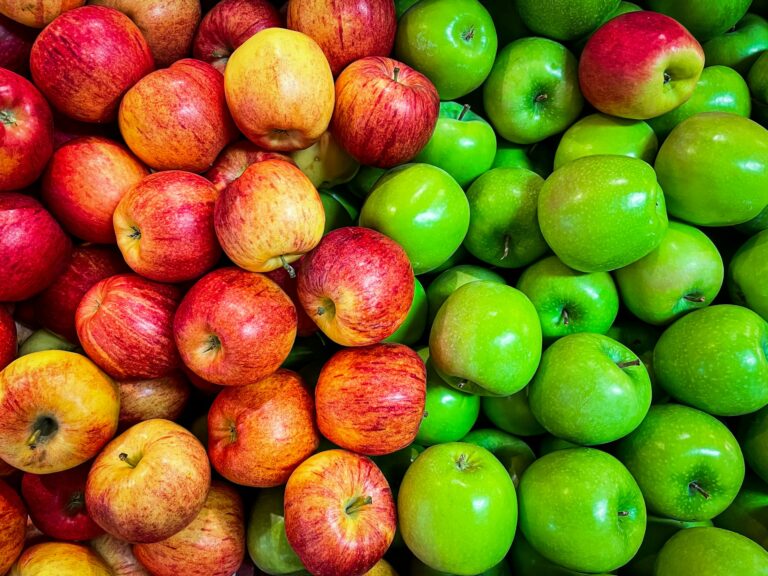
Photo by James Yarema via Unsplash
Most apple-producing regions lie in remote, mountainous areas, which limits small-scale growers' access to markets. Apples spoil quickly, so poor roads, weak transportation networks, and limited cold storage often lead to post-harvest losses.
"Moving forward, key factors for both domestic and export markets depend on greater professionalization of producers, investment in infrastructure, strengthening of cold chain, development of new varieties, consistency in supply, and traceability," the report concludes.
*Main image by Naveed Ahmed via Unsplash
Related stories
India puts 19 strawberry varieties to the test in hydroponic trial
India's blueberry industry gains momentum as grower interest continues to rise