


Chilean avocados: the value beyond the commodity
 Add Fresh Fruit Portal to Google
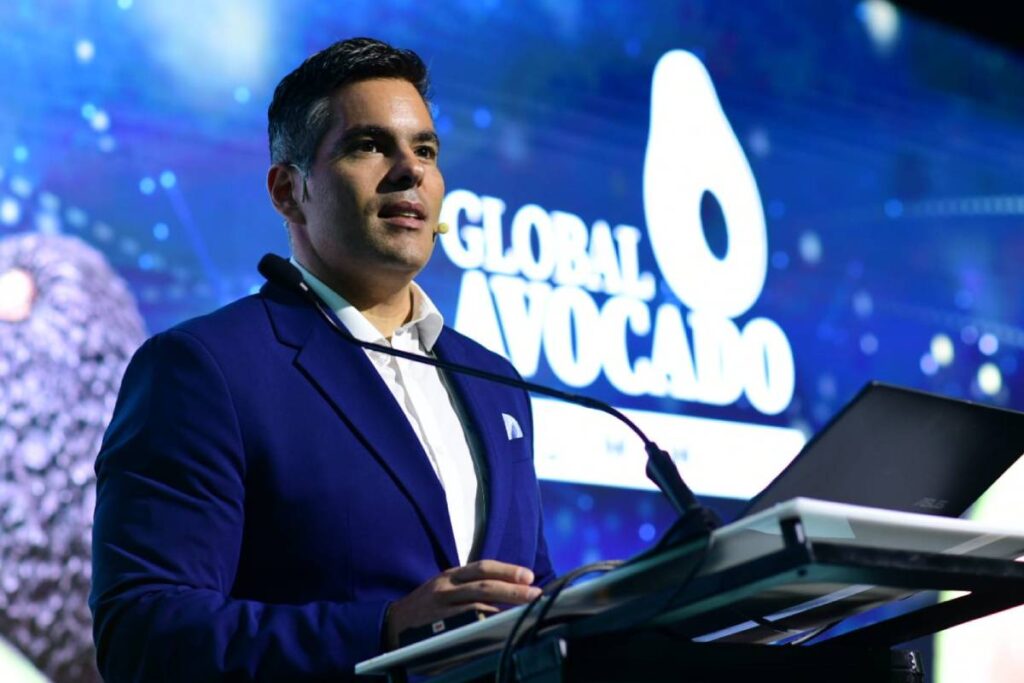
On November 11, representatives of the avocado industry of Chile, Latin America, and Europe gathered at the Global Avocado Summit, hosted by Yentzen Group and the Paltas de Chile trade association. The event was an ideal meeting point to analyze the sector’s growth prospects and the main challenges it faces globally.
During the opening presentation, Francisco Contardo, President of Paltas de Chile (formerly known as Comité de Paltas), noted that his organization is projecting 285,000 metric tons for the 2026/27 season, the highest volume for the Andean country in the last 16 years.

"Our avocado is not a commodity; it has another value: the value chain from the grower to the customer", he stated.
The projection reflects the industry's adaptive capacity to increase harvested volumes despite a shrinking acreage and challenges such as a decades-long drought. To achieve this, growers have incorporated new technologies and invested in improving orchard productivity.
Additionally, some growing regions have moved further south, and producers have ventured into more complex growing conditions, such as hillsides, requiring investments, technology, and appropriate regulatory frameworks.
Likewise, the association warned about the effects of extreme weather events, including wind, rain, and hail, which demand ongoing adaptability from producers.

Strengthening the image of the Chilean avocado
Chilean avocados currently reach over 100 international markets, with Europe as one of the fruit’s main destinations. However, neighboring countries such as Argentina have also gained market share in recent years, recording organic growth over the last seven seasons.
In this context, Contardo underscored the importance of making Chilean avocados stand out in international markets beyond price, emphasizing quality, growers' work, and the entire supply chain's commitment.

A key element characterizing the industry recently has been sustainability. The sector has promoted initiatives that have positioned it as a global benchmark, leading it to share its experience with countries such as New Zealand, Mexico, Peru, and Colombia.
To continue strengthening its image, Contardo emphasized the need to promote these advances and the industry's work.
"We are communicating everything we do: what is not communicated does not exist," he noted.
Finally, the executive highlighted the domestic market’s role in the industry’s development. A significant portion of Chilean production is destined for local consumption, where avocados have become a staple food in the country’s daily life.
Related stories