


Brazilian fruit exports see value uptick despite lower volumes
 Add Fresh Fruit Portal to Google
Brazilian fruit growers saw happy returns in the third quarter of 2026, even as shipments declined, according to the Brazilian Association of Fruit Producers and Exporters (ABRAFRUTAS).
The industry body noted that export revenue rose eight percent year on year to $354.2 million, up from $328 million in the third quarter of 2025. However, export volume fell 7.5 percent, from 290,600 metric tons to 268,800 metric tons.
The average export value per ton increased approximately 17 percent, from $1,129 to $1,318.
“The third-quarter results demonstrate that Brazilian fruit production continues to generate revenue in international markets, even amid challenges affecting certain crops,” said ABRAFRUTAS President Waldyr Promicia.
Mango, grapes, and avocados lead Brazilian fruit export growth
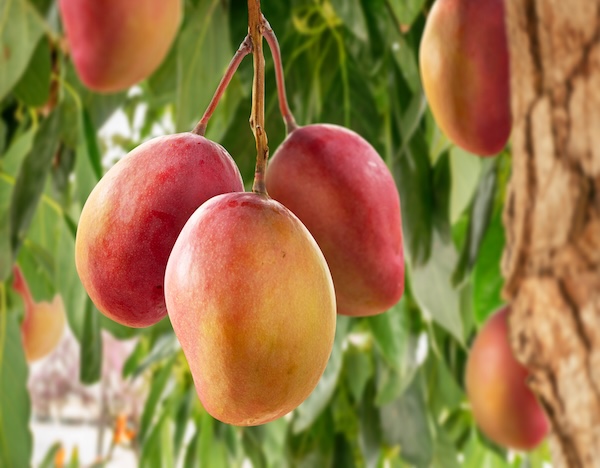
Mangos recorded one of the strongest performances among Brazil’s major fruit exports. Revenue increased 35 percent year on year, from $97.3 million to $131.4 million, while export volume grew 14 percent, from 83,300 metric tons to 95,000 metric tons.
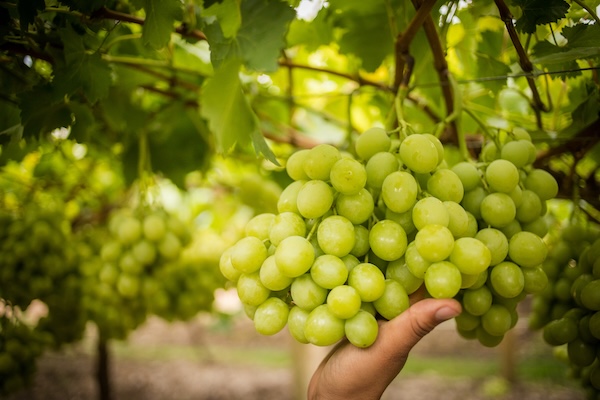
Grape exports also posted gains in both revenue and volume. Revenue climbed 17.4 percent, from $16.8 million to $19.7 million, while shipments increased 6.3 percent, from 6,800 metric tons to 7,300 metric tons.
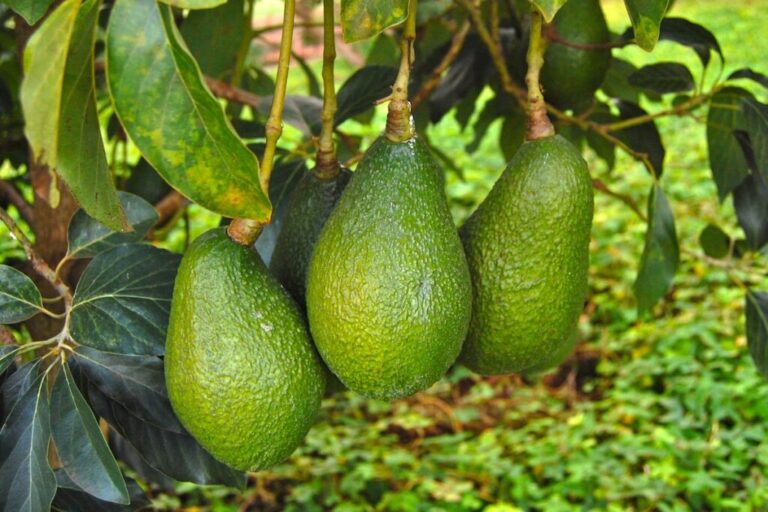
Avocados delivered the largest percentage gains among the three growing categories. Export revenue surged nearly 82 percent, from $7 million to $12.6 million, while volume jumped 141 percent, from 3,800 metric tons to 9,200 metric tons.
Several other fruit categories recorded lower export performance during the quarter. Melon exports declined 23 percent in revenue and 25 percent in volume. Watermelon revenue fell 21 percent, while shipment volume dropped 26 percent.
Lemon exports also weakened, with revenue down nine percent and volume down 18 percent. Bananas saw the steepest declines among the categories cited by ABRAFRUTAS, with revenue down 56 percent and export volume down 59 percent.
“The sector must continue investing in competitiveness, quality, market access, and destination diversification to expand export opportunities and reduce exposure to trade fluctuations,” Promisia concluded.
*All photos are referential via Shutterstock.
Related stories