






The 14-year-long path to develop the first true Chilean apple variety
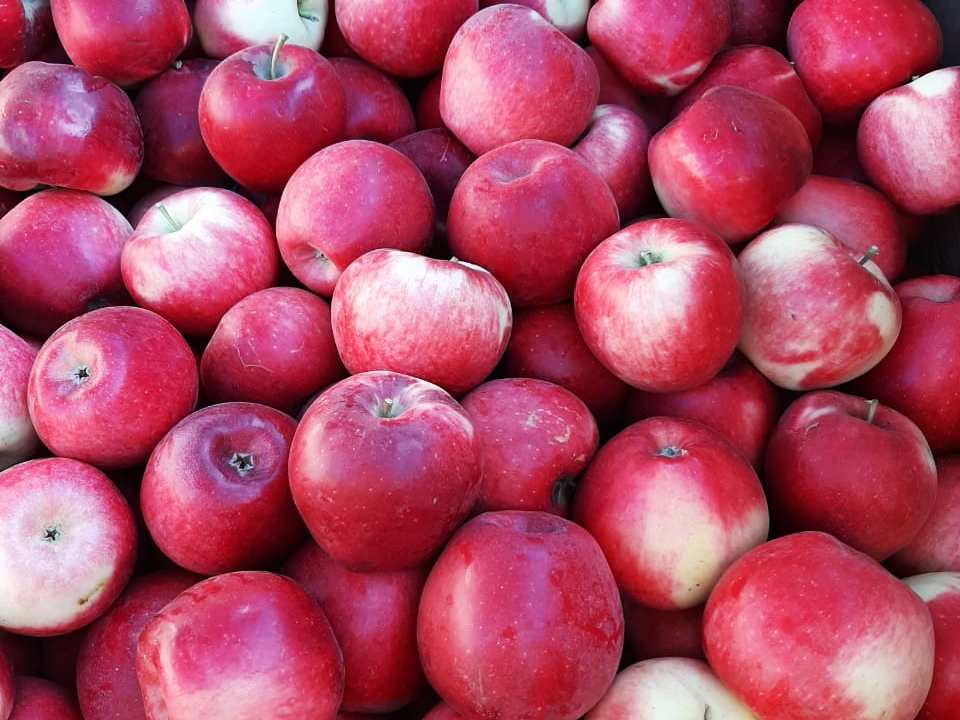



For years, apples were one of the main products in the Chilean agro-export basket, reaching over 88,000 planted acres in 2016.

However, in the last decade, the surface area has decreased to nearly half, at 44,500 acres. The reduction was the result of low profitability and the effects of climate change, which have forced producers to convert their crops to better-adapted species.
In this scenario, a group of Chilean researchers is developing new apple hybrids with genetic characteristics adapted to local conditions.
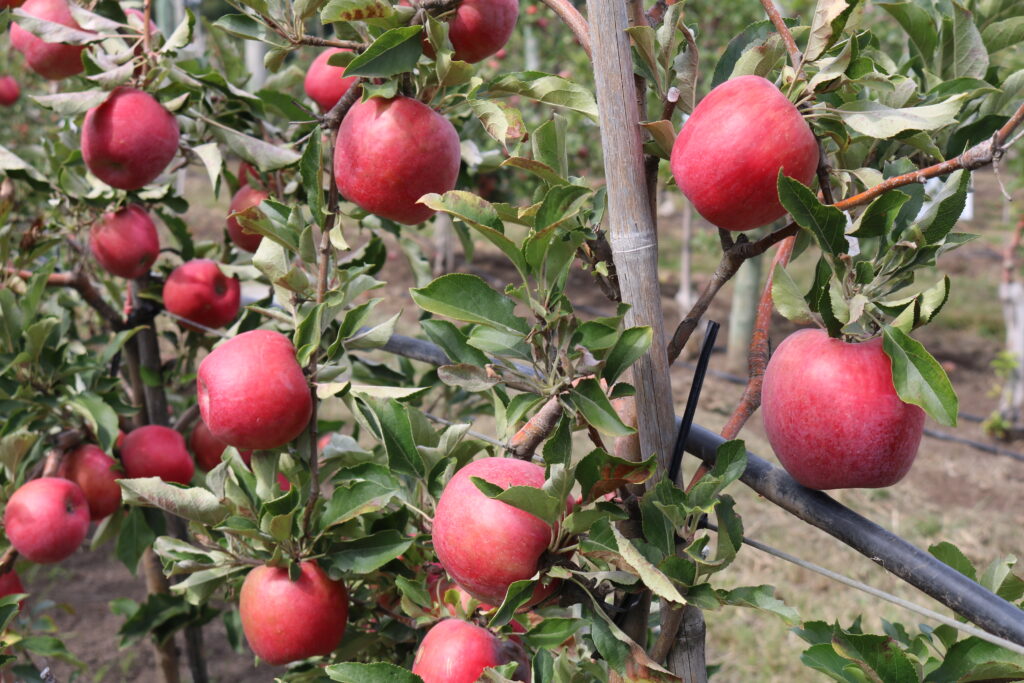
The project, led by the Center for Pome Fruit at the University of Talca and A.N.A. Chile, aims to create an entirely Chilean apple variety that combines quality, resistance, and commercial appeal.
A technological leap for Chilean apples
The initiative began when A.N.A. Chile noticed that imported varieties were not adequately adapting to the country's climate.
"The incoming varieties produced fruit, but did not meet the necessary quality standards, presenting difficulties both in pre-harvest and post-harvest," explained Daniela Simeone, a researcher at the Center for Pome Fruit.
The company partnered up with a French firm specializing in plant genetics, which enabled the introduction of new hybrid seeds and their assessment in Chilean soil.
With the help of government funding, the research team obtained more than 60 apple tree hybrids in 2013. Since then, they’ve observed and continued to assess the most promising materials from that first batch.
“The project consolidates previous work in apple genetic improvement,” says Carolina Fuentes, a representative of the local Foundation for Agrarian Innovation (FIA), which also funded the initiative. “Today, we are in the process of validation in a real production environment and registering these hybrids, which have the value of being genetic material developed in our country."
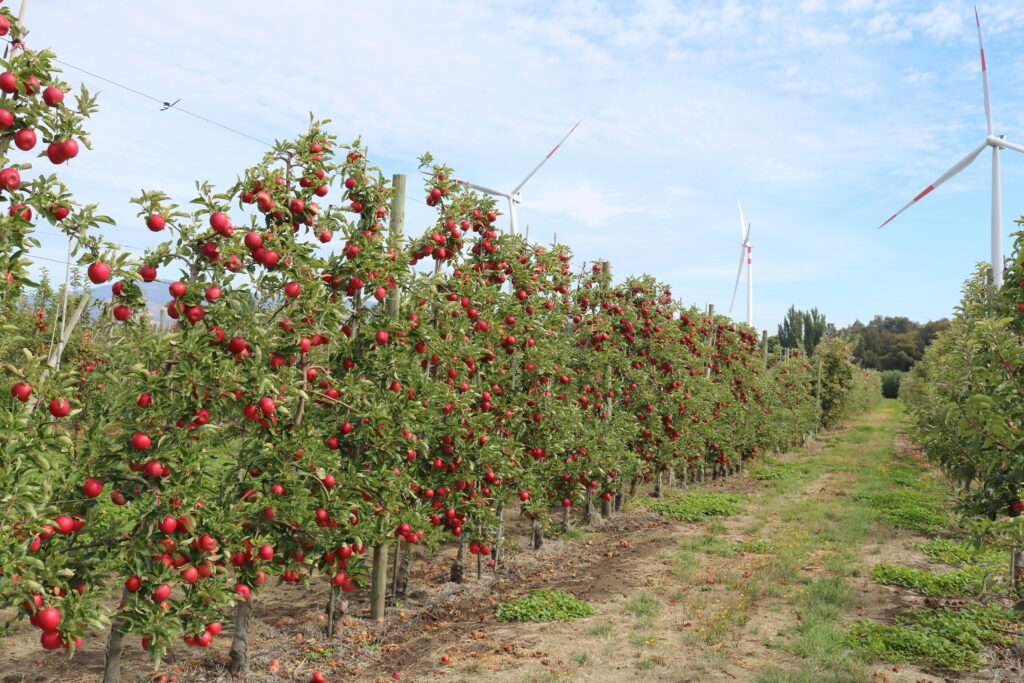
The second stage of the program, initiated in 2024 with support from FIA, focuses on four hybrids with demonstrated improved agronomic behavior, fruit quality, and adaptability to various environmental conditions. One of them could become the first Chilean apple variety.
The team is currently conducting assessments on farms in central-southern Chile, specifically in the O'Higgins, Maule, and La Araucanía regions, including Chimbarongo, Molina, Pelarco, Linares, and Angol. So far, the plants have adapted outstandingly to the area’s climate, especially in Angol, which is emerging as a hub for Chilean apple production.
The team conducts agronomic, nutritional, and productive evaluations, as well as trials for prolonged storage in cold and controlled atmosphere. The goal is for the Chilean apple hybrids to maintain firmness and color for more than six months.
Characteristics of the Chilean apple hybrids
The research team is currently working with four plants, each with its own particular profiles.
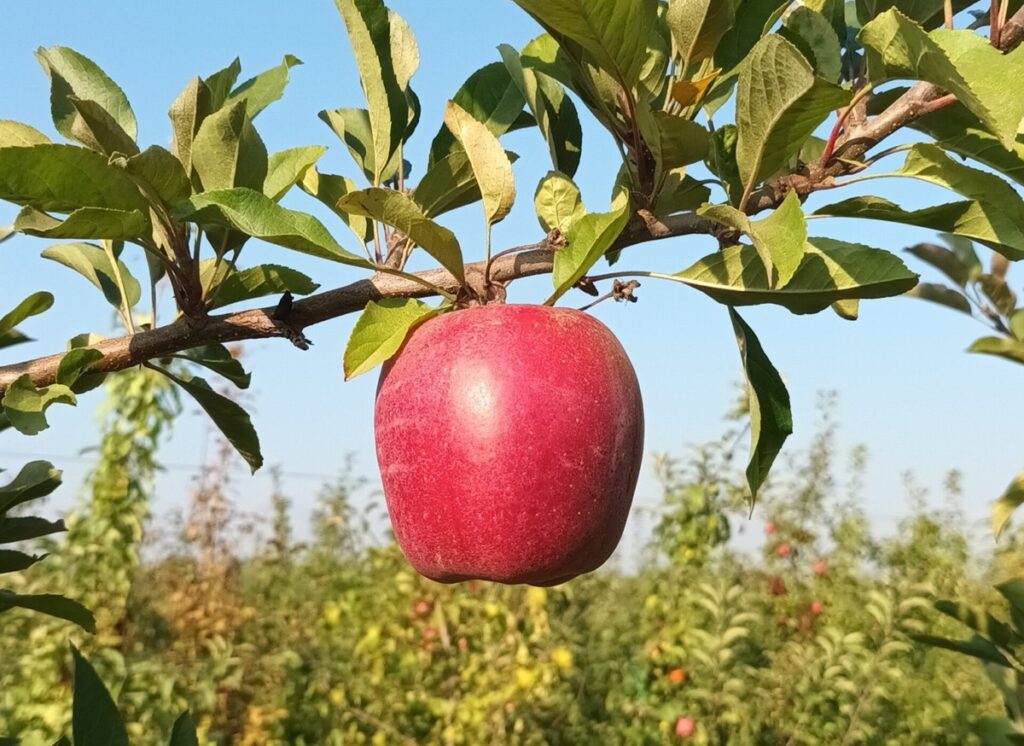
- Hybrid N°1: Harvest between March and April. Has a bright red-pink color, balanced flavor, and excellent firmness. Researchers described it as similar to Pink Lady. Has a high resistance to sunscald.
- Hybrid N°2: Has a sweet, fine pulp, preferred by markets such as the United States or China. Requires specific nutritional management.
- Hybrid N°3: Early harvest (between January and February). Has a sweet, bright pink color, good post-harvest life, and adaptability.
- Hybrid N°4: Described as similar to Red Delicious, but with better flavor and texture. Ideal for markets in Asia and the Middle East.
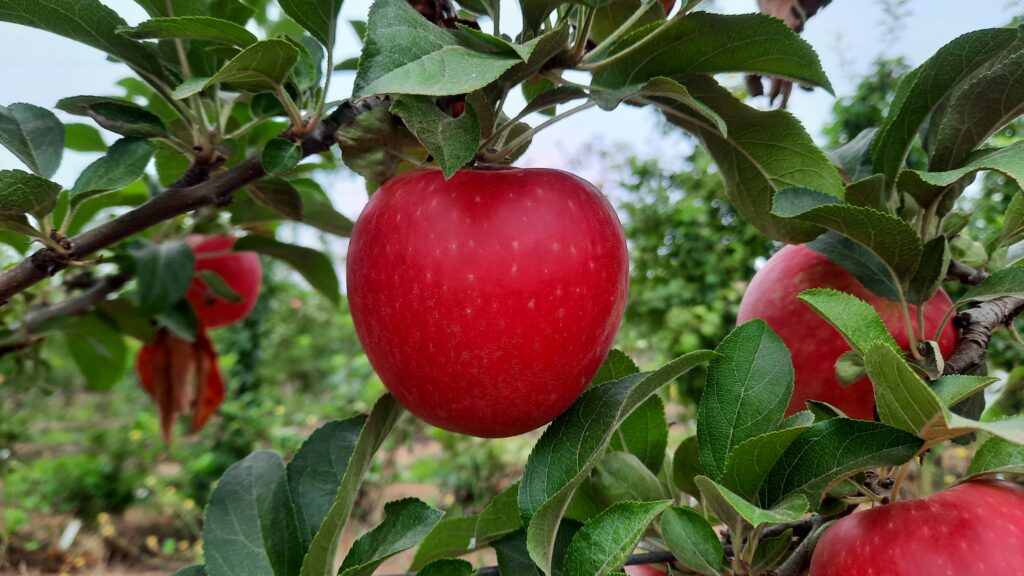
For Simeone, this development arrives at a critical moment for the Chilean apple industry, whose planted surface has drastically decreased.
"We know that the industry has lost ground, but it remains a pillar for national fruit growing. It generates stable employment and energizes the rural economy," said Simeone.
The team expects to present a new variety to the Chilean Agricultural and Livestock Service (SAG) in 2027, marking the culmination of more than 14 years of continuous work.
"Obtaining a recognized variety can take 20 to 25 years. We prefer to advance solidly, delivering a profitable and stable alternative for the producer," added the researcher.
A push for sustainability
For FIA, the initiative represents a strategic move towards a more sustainable and resilient Chilean apple industry.
"We want to reduce the dependence on imported genetics and promote national varieties adapted to our conditions," emphasized Fuentes.
The project also seeks to incorporate greater mechanization of harvests, reducing dependence on labor, one of the main challenges facing the industry.
The team plans to deliver an integral technical manual with recommendations for agronomic, nutritional, and post-harvest management, facilitating the adoption of these new varieties by national producers.
If successful, this project would mark a milestone for Chilean apple growing, positioning the South American country not only as a fruit exporter but also as a creator of world-class fruit varieties.
*All images courtesy of Daniela Simeone
Related stories
Chilean apple volume up for 2025



Subscribe to our newsletter