Opinion | The Latin American neighbors want good fruit

 Add Fresh Fruit Portal to Google
By Betina Ernst, agricultural engineer and President at consulting firm Top Info Marketing.
In the face of the human tragedy caused by the earthquake in Venezuela, Latin America immediately reacted with aid and rescue teams. No one hesitated to help their neighbor.
This reaction reflects the multiple aspects that unite the countries of this vast region, such as language, history, political-economic evolution, and a feeling of belonging and brotherhood. Because of this, it is surprising that the fruit business among Latin American countries is only now booming.
An exception to this is apples and pears, in which case trade within the region is long-standing and well-known. The region receives two-thirds of pome fruit shipments from Chile and Argentina, but in recent years it has become evident that the market is also good for other fruits such as tangerines, table grapes, cherries, and tropical fruits, among others.

In more than one category, between 10 percent and 40 percent of total exports are directed to Latin America.
Advantages of sending fruit to Latin America
There are several upsides to exporting fruit across the border. For starters, in Latin America we speak the same language, and although Brazil is the exception, we understand each other enough through "Portuñol," the combination of Spanish and Portuguese. Likewise, we have similar idiosyncrasies, which facilitate understanding between parties and between sellers and the final consumer.
The region enjoys a wide agroclimatic diversity, which expands the range of products available for export. The continent’s great expansion means that northern regions primarily produce tropical or subtropical fruits, while the southern countries are dedicated to temperate fruits, which require cold for their development.

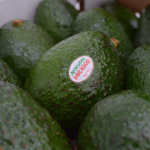
This also results in complementary harvests, where altitude and latitude play a key role. This can be seen clearly in avocados, which are grown on the plains in Peru and harvested in winter, while in Chile they are grown in the Andes Valleys and ripen in summer. Colombia, on the other hand, takes advantage of different microclimates, with two seasons a year.
Geographical proximity is also an undeniable advantage. Being closer to destination markets allows for frequent visits and facilitates attendance at events and congresses, but it also lowers transportation costs for the fruit itself. This is an increasingly important front given the sharp increase in logistics costs that weigh on the overall balance sheet. Likewise, costs can also be trimmed by opting for trucking in lieu of sea or air freight, relieving pressure on ports, dependence on shipping companies, and the availability of refrigerated containers.
Apples and pears
In 2025, 57 percent of Chilean and Argentine apples were destined for Latin America, as well as 51 percent of pears.
Within this region, Brazil stands out as the main receiver of both fruits, which has led to a certain level of dependence. The volume of pear imports is quite constant, while apples fluctuate depending on the local harvest. There were three years with poor harvests, greatly increasing imports, but in the current season, local production recovered, leading to a sharp drop in imports.

The other major buyer of pome fruit from Chile is Colombia, which often ranks as the number one destination for the crop. In 2025, it imported 87,000 tons of Chilean apples, while pear imports remained much more limited.
Tangerines
Citrus is grown throughout Latin America, but tangerines are delicate and require a special climate, such as cold winters and good thermal amplitude, to obtain good internal and external quality.
That is why Peru, Chile, Argentina, and Uruguay began sending increasing volumes to Brazil, Colombia, Mexico, Paraguay, and other smaller markets.
Avocados
Another fruit that increasingly benefits from the Latin American market is the avocado.
Argentina is one of the main markets for the Chilean fruit, receiving 20 percent of total exports. Brazil and Peru also send avocados to the Andean country.
On the other hand, Chile is the main Latin American destination for Peruvian avocados, receiving them during winter when production is halted.
Table grapes
Interest in table grapes within Latin America is quite recent, but it shows a firm upward trend.

In the last season, between 12 percent and 15 percent of South American table grape exports were directed to Latin America. Mexico stands out as the primary destination, with Peru sending 10 percent of its crop to the Aztec country. Other destinations in the region are Colombia, Argentina, and Brazil.
Seasonal complementarity means that most countries are both importers and exporters.
Limes
Chile is the main market for Peruvian limes, which they use for their traditional and popular drink, Pisco Sour. They receive 40 percent of the citrus, while Brazil supplies Argentina.
Cherries
Due to the cold requirements, this fruit only grows in central and southern Chile and Argentina.
Almost all exports are directed to northern markets, and the regional business is still emergent, but shows good prospects. The greatest potential occurs especially during the holidays, a time when Latin Americans enjoy such a special fruit.
This opinion piece was originally published in Top Info on July 14, 2026.
Related stories
Opinion | Why Southern Hemisphere table grapes remain an attractive (though challenging) business
From weather challenges to export success: A look into the 2026 Southern Hemisphere citrus season