No advantages: women in horticulture want a fair chance, research says

 Add Fresh Fruit Portal to Google
New research commissioned by NGO Women in Horticulture has found that women working in the sector aren't asking for an advantage—they're asking not to be disadvantaged.
The research, carried out by independent research agency Scarlatti, gathered 244 survey responses and 34 in-depth interviews with women and men across the horticulture industry.
Dana Carver, spokesperson for Scarlatti, says women are succeeding in horticulture despite facing more hurdles than men throughout their careers, including higher rates of career breaks, less access to leadership training, and gender discrimination that men rarely encounter.
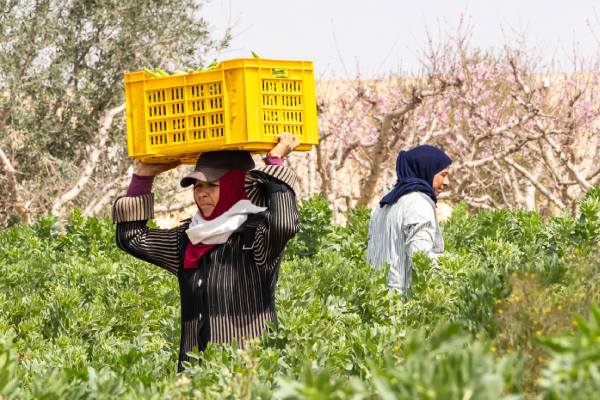
According to the data, 80 percent of women surveyed and interviewed said they had experienced discrimination in their careers because of their gender, compared with 28 percent of men.
In interviews, women described what this looked like in practice: having to arrive over-prepared to be taken seriously, having their ideas overlooked until a male colleague repeated them, being excluded from using machinery or equipment they were capable of operating, and fielding comments about their appearance, capability or pregnancy that their male colleagues simply didn't face.
“This research tells us women in horticulture aren't looking for a leg up; they're looking for the same shot as everyone else," Carver said. "That's a much easier ask for the industry to say yes to. It's about better recruitment, more visible career pathways, and workplaces that judge people on what they can do, not what they look like.”
How to support women in horticulture
When asked what kind of support would help, women were divided: Six of the 15 women answering this question said targeted support for women in horticulture is beneficial in some areas, such as increasing the visibility of opportunities and providing mentoring; meanwhile, they also felt other things, like training and development, should be equally open to everyone.
Another six of the 15 who answered the question said there should be no targeted, women-only support at all, warning it could reinforce the idea that women in horticulture succeed because of help rather than merit.
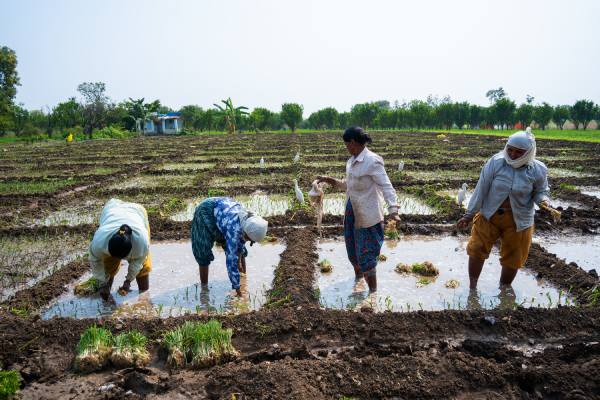
“We're alienating people by segregating ourselves. Aren't we all in it together? It's saying we need somebody to help us because we don't have our own talent,” one woman told researchers.
Some of the women pointed to a simpler fix: make existing opportunities visible, remove unnecessary barriers, and let skill and performance speak for themselves. More than half of women surveyed and interviewed (52 percent) said greater visibility of career development and progression opportunities would make the biggest difference. This sits well ahead of any calls for gender-specific programs.
The research also found men and women in horticulture share many of the same barriers to career progression, with self-confidence and unclear organizational pathways topping the list for both. But gender was the third-biggest barrier for women (39 percent), compared with just three percent of men, with women most commonly citing their input not being valued as highly as their male colleagues'.
Women in Horticulture is calling on employers and industry leaders to focus on raising awareness of the disadvantages women face, making career pathways more visible, hiring and promoting based on skills rather than quotas, and offering flexible, understanding workplaces that don't penalize caregiving responsibilities.
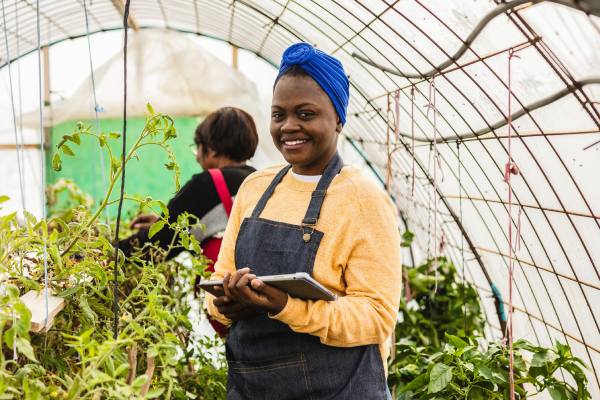
Carver says the findings should reframe how the industry thinks about supporting women.
“Removing a barrier isn't a favor to women; it's just good business. The industry that gets this right first will have first pick of a talented, committed workforce,” she says.
This post was originally published by United Fresh on July 27, 2026.
*All images are referential via Shutterstock.
Related stories
Women driving change in the blueberry industry
FAOSTAT dataset seeks to defend women's key role in global agrifood systems