



7 trends shaping the future of the fruit industry
 Add Fresh Fruit Portal to Google
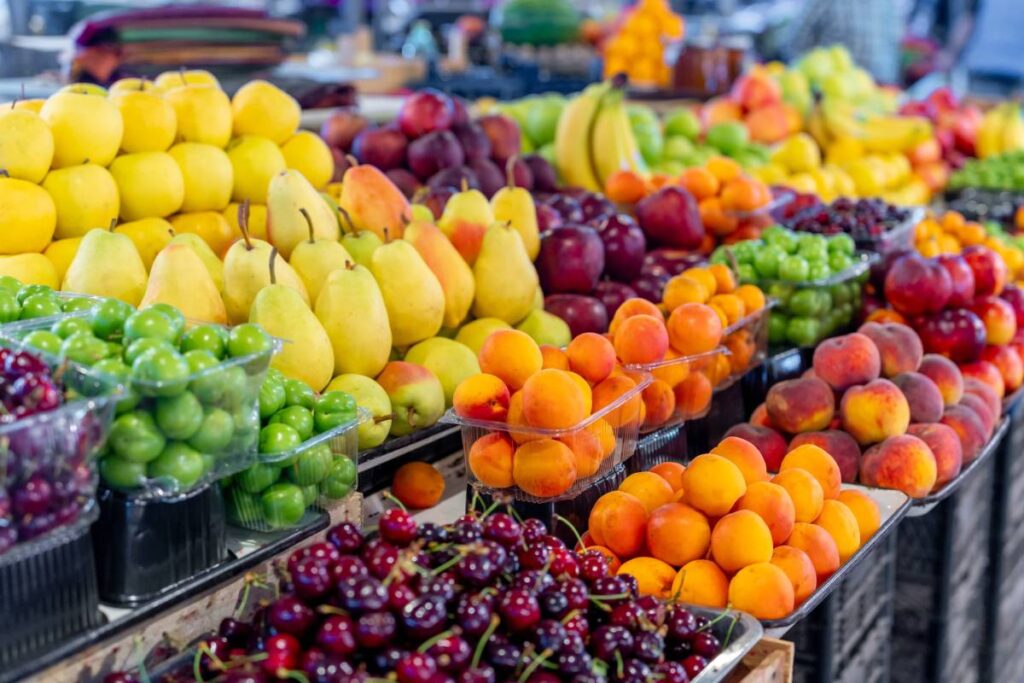
The global fruit sector is crossing the threshold of a profound transformation, moving rapidly from traditional fresh produce supply chains into a high-value, multifunctional ingredient platform.
Market valuations underscore this transition. According to data from MarketsandMarkets, the global fruit and vegetable ingredients sector was valued at $253 billion in 2025 and is projected to hit $327 billion by 2030 at a 5.2 percent CAGR.
Fruit ingredients command the lion’s share of that space, accounting for roughly 65 percent of the total market, and are expanding at a brisk 5.6 percent annual pace across formats ranging from NFC juices and purees to powders, freeze-dried pieces, and high-value extracts.
Driven by consumer wellness demands, technological breakthroughs in food processing, and the urgent need to maximize agricultural resources, the category is expanding beyond the grocery and juice aisles into sports nutrition, dairy alternatives, confectionery, and functional beverages.
These are the seven key trends redefining the business worldwide.
1. From taste to multifunctionality
The next phase of innovation will focus on what produce can deliver functionally rather than just sensory flavor. Food and beverage manufacturers pursuing clean-label formulations are tapping fruit-derived solutions to deliver sweetness, acidity, texture, natural color, and nutritional value in one go.
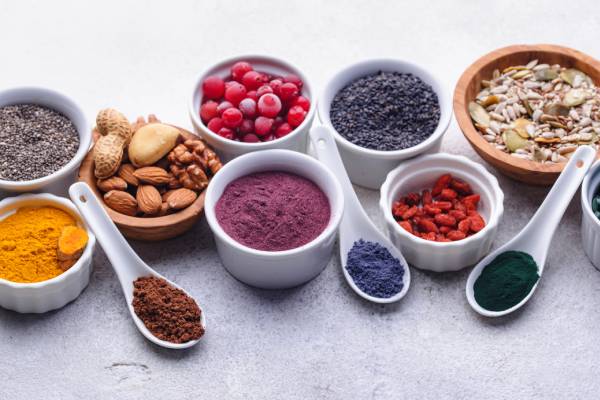
Image via Shutterstock
To achieve this, MarketsandMarkets says innovation is moving beyond conventional concentrates and purees to functional powders, fibers, and natural pigments that serve as full formulation systems across snacks, dairy, and fortified nutrition.
2. Health and wellness are driving deeper formulation
Consumer demand for clean, plant-based nutrition, natural antioxidants, and dietary fiber continues to accelerate fruit integration.
Rather than remaining confined to traditional healthy categories, the segment is making inroads into fortified foods, functional beverages, and even indulgent treats like confectionery and baked goods, where brands want clean-label positioning without sacrificing mouthfeel or flavor.
3. Tropical and exotics as premium innovation engines
While staple crops like apples, citrus, and grapes remain industry workhorses, exotic and tropicals are powering product differentiation.
Items such as passion fruit, mango, dragon fruit, guava, avocado, and lychee offer distinct sensory profiles and vivid visual identity. According to the FAO, global tropical fruit exports reached nearly 11 million metric tons in 2023.

Image via Shutterstock
While representing only about three percent of global agricultural food-product export volumes, the category commands an average export value exceeding $1,000 per metric ton, making it one of the most commercially valuable segments in international trade.
4. Valorization: Unlocking the hidden value in every fruit
The most lucrative frontier in produce may not be growing more tonnage, but monetizing what is already harvested, MarketsandMarkets says. FAO figures reveal that global produce losses climbed from 23 percent in 2015 to over 25 percent in 2023, largely due to high perishability and cold-chain constraints.
In response, processors are adopting circular-economy models. By leveraging advanced separation, enzymatic processing, and extraction, side streams like peels, seeds, pomace, and pulp are being converted into valuable fibers, polyphenols, essential oils, and natural pigments, turning waste streams into viable profit centers.
5. Advanced preservation tackling the perishability barrier
To address supply chain vulnerability, traditional canning and freezing methods are being complemented by high-pressure processing (HPP), aseptic packaging, controlled-atmosphere storage, and nano-encapsulation.
According to MarketsandMarkets, these technologies do more than lengthen shelf life: they protect delicate bioactive compounds, aromas, and sensory traits, mitigating seasonal gluts and stabilizing year-round industrial supply against climate disruption.
6. Climate resilience reshaping global sourcing strategies
Severe weather events, water stress, shifting temperature regimes, and emerging pests are forcing growers and processors to build greater redundancy into supply chains.
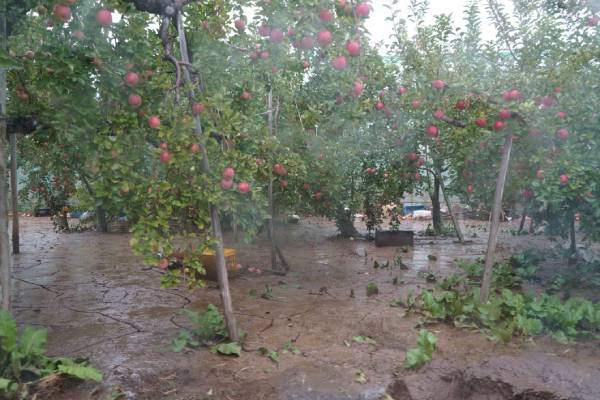
Image via Shutterstock
The industry is responding through regional sourcing diversification, investments in climate-hardy cultivars, optimized precision irrigation, and value-added processing operations that reduce reliance on short fresh-market windows.
7. Biotechnology unlocking the next processing frontier
Biotechnology is poised to unlock the full genetic and chemical potential of fruit biomass. Precision fermentation, enzyme technologies, and advanced cellular extraction enable processors to recover high-purity flavor compounds, bioactives, and colorants from processing streams.
By upgrading low-value agricultural residues into premium functional ingredients, MarketsandMarkets says biotechnology is establishing a new paradigm for resource efficiency.
The next frontier: Making the most out of Mother Nature
The modern industry faces a fundamental paradox: fruit has never been more sought after by global consumers, yet it remains one of the most perishable, climate-sensitive, and resource-intensive crops to handle.
Resolving this challenge means bridging the gap between conventional agriculture and industrial food science.
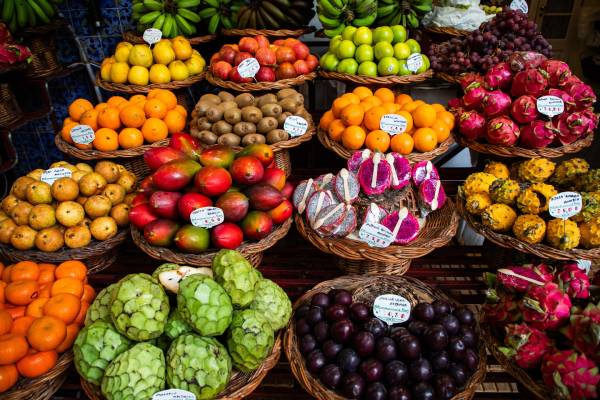
Image via Shutterstock
Tomorrow's leaders will build competitive resilience across five pillars: functionalizing crops for targeted wellness, capturing premium value via exotic cultivars, commercializing residues through upcycling, deploying high-tech preservation, and insulating supply chains against climate shocks.
Ultimately, the future of the sector is no longer merely about moving more cartons of fresh produce, but about capturing total economic, nutritional, and functional value from every part of the harvest.
*All images are referential via Shutterstock
Related stories
Avocado set to become world's most traded tropical fruit by 2035