


Tight supplies support North American produce and nut prices heading into 2027
 Add Fresh Fruit Portal to Google
A smaller potato crop, tightening tree nut supplies, and cautious planting decisions are reshaping North American produce markets as growers prepare for 2027. But while reduced availability is boosting prices in several categories, rising fuel, freight, and fertilizer costs continue to pressure grower margins, according to RaboResearch’s North American Agribusiness Quarterly Q4 2026.
The report points to diverging market conditions across vegetables and tree nuts, with acreage restraint and lower production supporting some commodities, while expanding supplies and dependence on export demand create challenges for others.
Vegetable markets adjust to tighter acreage and shifting demand
United States potato growers planted 873,000 acres in 2026, down three percent year on year, marking the smallest national planted area in decades. The reduction follows persistent input costs and previous unprofitable prices.
North American Potato Market News (NAPMN) projects production at approximately 395 million hundredweight (cwt), setting the stage for a recovery in free-on-board (FOB) prices.
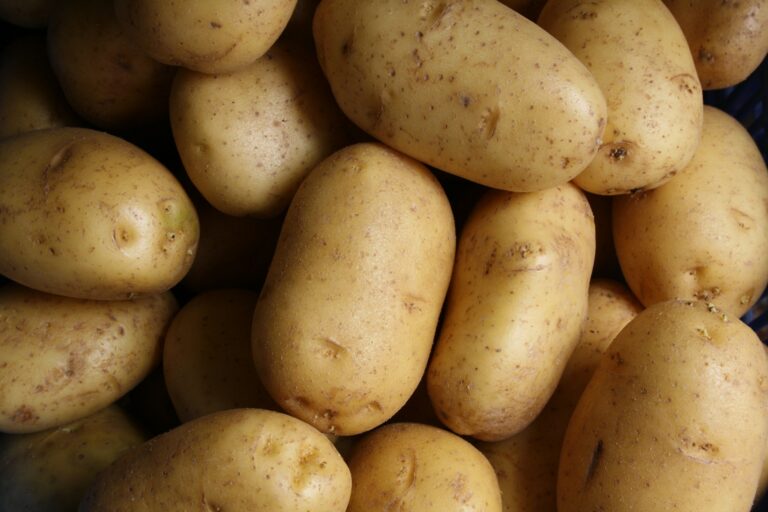
Photo by Lars Blankers via Unsplash.
"Looking ahead, the market is positioned for firm structural support as old-crop inventories clear and processors maintain steady contract volumes. Yet, uncontracted fresh-market growers still face a tight margin balancing act, weighing improving FOB prices against rising storage, freight, and operating costs," the assessment notes.
Leafy greens and brassicas are also adjusting to changing market conditions as production transitions from California’s Salinas Valley to Yuma, Arizona.
"Broccoli markets remained just below historical averages. Broccoli crown prices hovered near $19 per 20-pound carton, down 11 percent year on year, while short-trim crowns averaged around $20, representing a 13 percent year-on-year decline," the report says.
After a summer demand shock tied to a multi-state Cyclospora outbreak, growers have taken a more cautious approach to acreage and winter production schedules. Foodservice demand has remained resilient, but retail movement has fluctuated sharply, Rabobank notes.
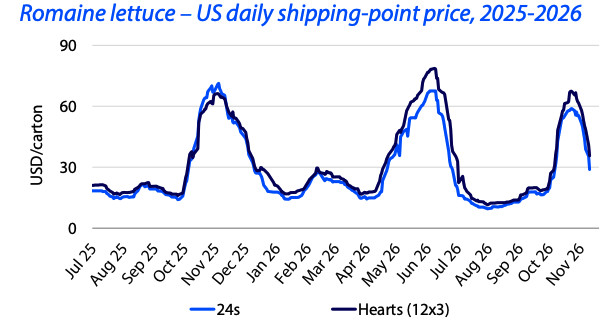
Graph by Rabobank.
"By mid-November, romaine shipping-point prices came down from elevated levels. With 24s and hearts trading at approximately $29 and $36 per carton, prices are down 56 percent and 44 percent year on year, respectively, but remain above historical averages," the report states.
Similarly, iceberg lettuce wrapped 24-count cartons averaged $28, down 37 percent year on year.
Tree nut markets split between tightening supplies and export dependence
Tree nut markets are entering the 2026/27 marketing year with contrasting supply and demand fundamentals. Almonds, pistachios, and walnuts are benefiting from tighter availability, while pecans face ample supplies and hazelnut growers must find additional outlets as they expand production.
"Through October, [almond] crop receipts reached 1.9 billion pounds, up 12 percent year on year, primarily reflecting an earlier harvest rather than a larger crop. Industry expectations remain near 2.6 billion pounds, below the US Department of Agriculture (USDA)’s forecast of 2.7 billion pounds," Rabobank indicates.
Cumulative shipments reached 673 million pounds, up 11 percent, as stronger exports offset weaker domestic demand.
The pistachio market is moving into a smaller off-year production cycle following the record 2025 crop. Carry-in inventories stood at approximately 167 million pounds, with receipts reaching 646 million pounds through September.
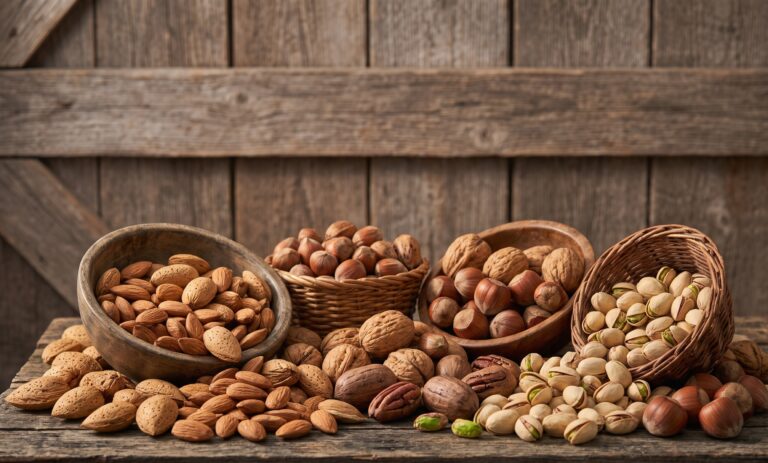
Image created with AI.
"September shipments surged 40 percent year on year to 88 million pounds, driven by a 64 percent increase in exports, while domestic shipments declined eight percent," the assessment says.
As for walnuts, California production has contracted significantly. USDA estimates the 2026 crop at 680,000 short tons, down 16 percent year on year, while industry estimates range from 630,000 to 650,000 short tons.
"Early shipments have been encouraging, particularly for kernels, with September domestic kernel shipments up 42 percent year on year and exports more than doubling," the bank notes.
As for pecans, unlike other major tree nuts, North American supplies remain ample. A large Georgia crop, solid Mexican production, and higher US carry-in inventories are keeping the market well supplied.
"Buyers remain cautious and well-covered near term, while new-crop availability has pressured kernel prices. By early November, Fancy Jr Mammoth Halves were near $5.90/lb FOB Texas, two percent below year-ago levels," the report says.
Lastly, US hazelnut production continues to expand as newer Oregon orchards reach full bearing, following a record 2025 harvest of approximately 121,500 short tons.
"The primary challenge remains demand growth, as rising supplies will require sustained expansion in export and ingredient markets to prevent downward pressure on grower returns," the assessment stresses.
Fuel, freight and fertilizer costs remain major concerns for North American ag
Despite stronger pricing prospects in several categories, growers and shippers face an expensive operating environment heading into 2027.
Retail diesel prices above $6 per gallon are increasing fuel surcharges and pressuring smaller carriers. Refrigerated truckload capacity remains tight, keeping transportation rates firm.
"For agricultural shippers, reefer remains a particular pressure point, with tight capacity and elevated fuel costs supporting higher freight costs. We expect blended contract and spot rates to remain firm into 2027," Rabobank says.
Fertilizer costs also present a challenge. Reduced European ammonia production and supply constraints in other markets have pushed North American retail anhydrous fertilizer prices 20 percent above year-ago levels, limiting the prospect of input cost relief ahead of spring planting.
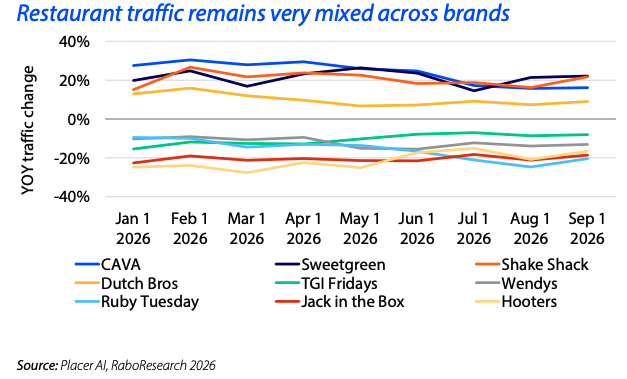
Graph by Rabobank.
On the demand side, food inflation increased 0.5 percent in October, while restaurant traffic remained broadly steady. The report highlights continued consumer interest in fast-casual concepts that combine food quality, experience and convenience.
The strongest traffic results are coming from concepts such as Sweetgreen, Dutch Bros, Shake Shack and CAVA, where customers see value through a combination of food quality, experience and convenience.
“In September, estimated visits increased 22 percent at Sweetgreen, 22 percent at Shake Shack, and 16 percent at CAVA, compared with only two percent for fast casual overall," Rabobank concludes.
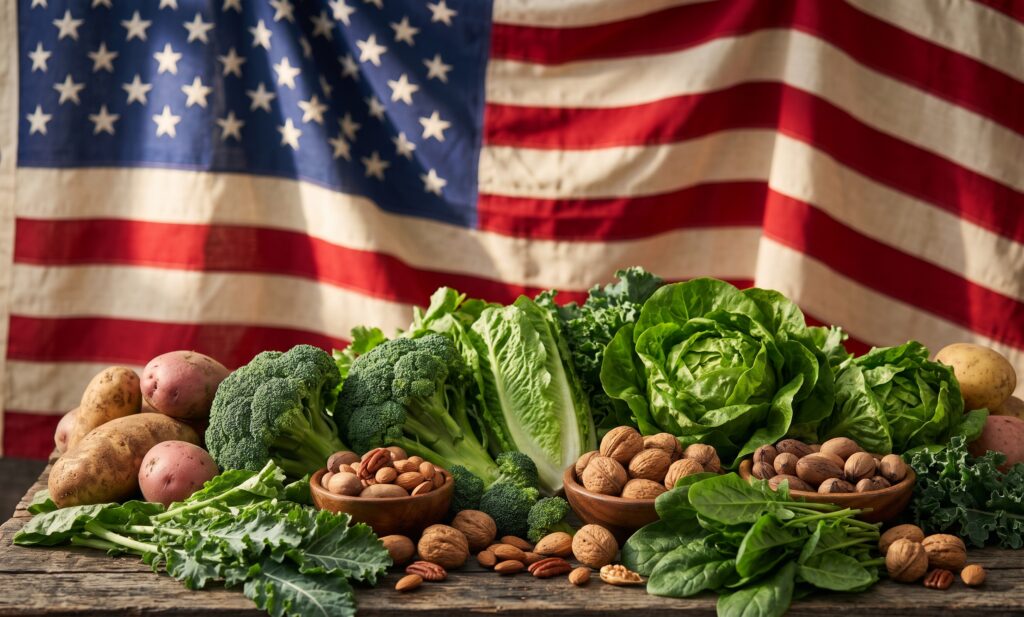
*Main photo created with AI.
Related stories
Fertilizer costs could squeeze margins and threaten 2027 yields
Rising supply, organic growth, and policy shifts reshape North American avocado market