

Lee este artículo en Español | Writing and reporting by Macarena Bravo.
Chilean exporter RIOblanco expects slightly lower table grape volumes this season, quality manager Christopher Dixon tells FreshFruitPortal.com. He notes that fruit is above-average size, as the firm continues to focus on quality and flavor to charm American consumers.
The United States remains the firm’s top destination. Dixon shares that market conditions have been more stable than last year, when heavy arrival peaks led to oversupply and steep price declines.
“This has allowed us to manage inventories better and avoid such sharp drops in prices,” he adds.
While prices typically trend downward at this point in the season, Dixon says the decline has been more gradual this year.
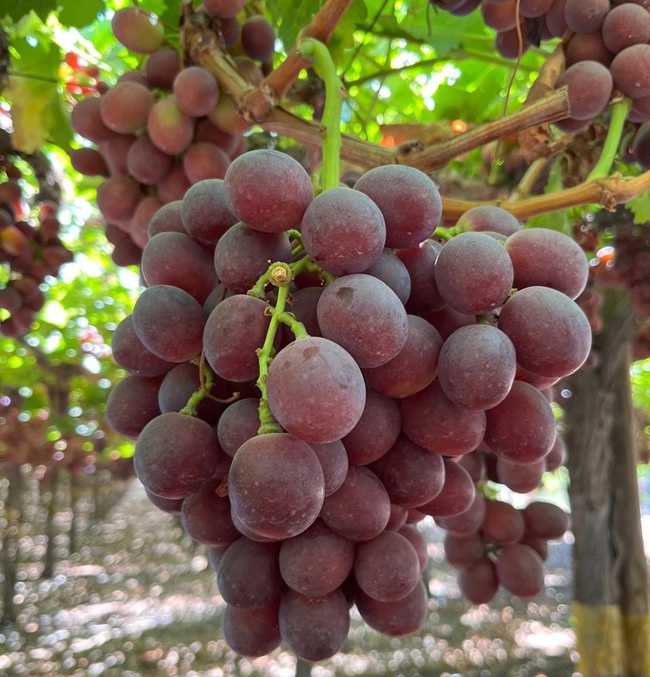
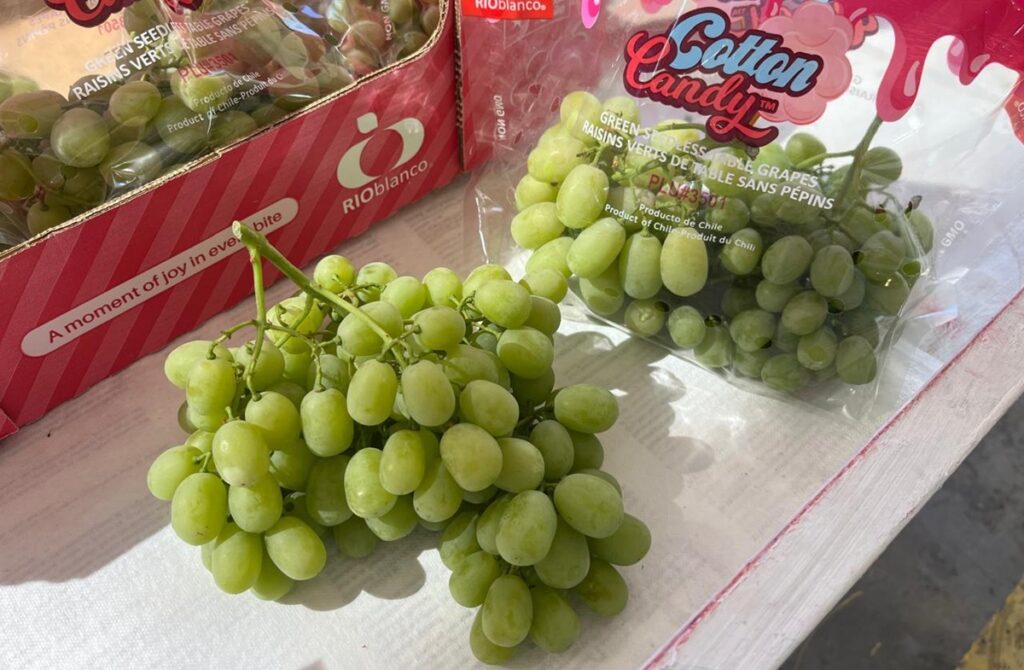
The season has seen limited delays, concentrated mainly in green varieties such as Cotton Candy and Sweet Globe. According to Dixon, those have required an additional five to seven days on the vine to reach target soluble solids levels.
In contrast, red varieties such as Sweet Celebration have tracked closer to normal timing. The delays in green grapes have disrupted harvest planning, prompting the company to prioritize other varieties while waiting for later blocks to finish ripening.
Dixon explains that the most pronounced delays have occurred in northern Chile, where some varieties remain unfinished beyond their typical harvest window. Southern growing areas have followed a more stable and expected timeline
Despite the timing challenges, RIOblanco reports larger-than-average fruit size in several varieties, including Sweet Celebration, Sweet Globe, and Ivory, which the company says enhances commercial appeal.
However, the larger fruit has added complexity in the packinghouse.
“Larger fruit is more difficult to pack. It fits more tightly in the boxes and requires greater care,” Dixon says.
He adds that the company has strengthened training and packing controls to minimize errors in what he described as a narrow-margin environment.
Some varieties, including Candy Heart, have faced more difficulty achieving consistent color and uniformity, reflecting what Dixon characterized as a heterogeneous season.
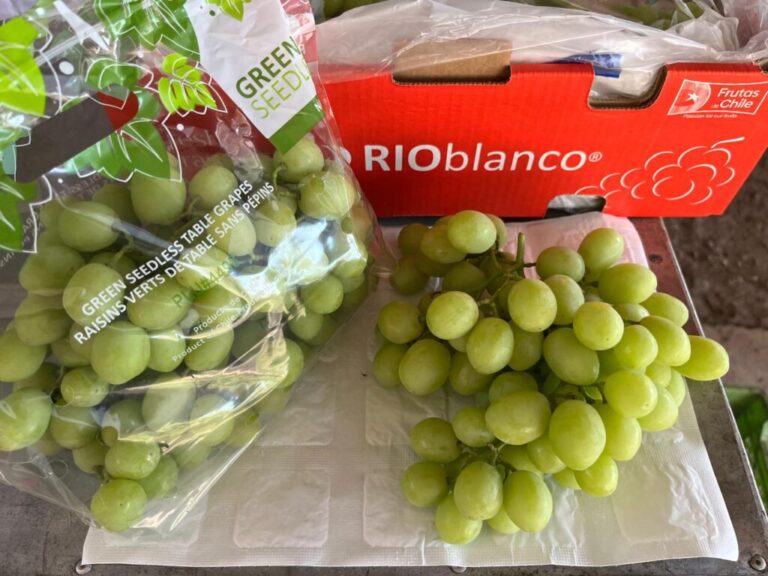
RIOblanco continues to position flavor as its key differentiator, particularly against Peruvian competition in the US market.
“Our main competitor today is Peru, which has large, visually appealing fruit, but often with less flavor. We understand that the advantage of Chilean fruit is precisely its flavor,” Dixon says.
The strategy has led the company to delay harvests when sugar levels do not meet internal targets, even when that complicates logistics.
“The fruit is ready when it's ready. We don't want to rush it,” he emphasizes.
Although the United States remains its leading market, RIOblanco has increased shipments to Latin America and Europe as it seeks to reduce dependence on any single destination amid higher costs and a more complex tariff environment.
In the US, the exporter has expanded its customer base, increasing operational complexity due to customized packaging demands.
“Today we can have dozens of different types of packaging, because each customer demands their own bag, label, or even specific boxes,” Dixon says.
The company expects February and March to be its busiest shipping months, with significant volumes moving through mid-March and harvests continuing into the first or second week of April.
*Photos courtesy of RIOblanco.
Related stories
China's table grape exports to Russia triple, reaching record $81 million in 2025
Sun World expands marketer network to support branded grape programs' growth