







Southerners and young shoppers drive up organic sales in 2025
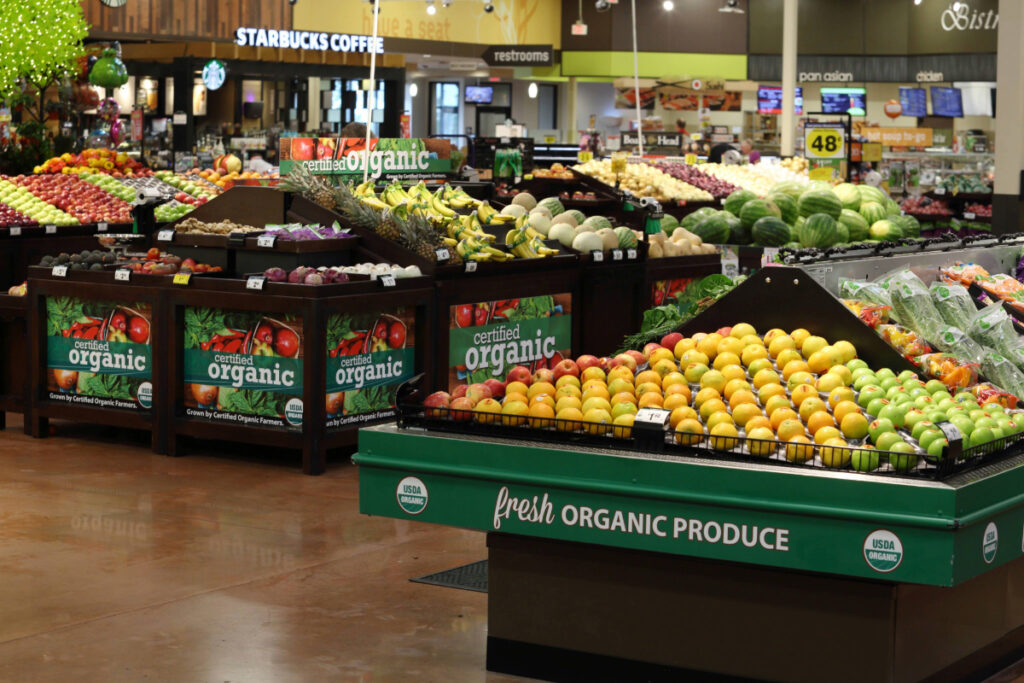



Organic fresh produce is gaining more traction than ever in the United States, says industry body Organic Produce Network.


The organization’s annual snapshot reports that organic sales rose nearly six percent to $10.6 billion in 2025, outpacing conventional produce sales growth by nearly five times. Organic produce sales and volume sold both increased by 1 percent in 2025, and organic sales accounted for 13 percent of total retail produce sold and 8 percent of overall produce volume sold, respectively, last year.
The categories were similarly split in volume growth, with organic produce showing a 6.4 percent increase in volume sales and conventional produce a more modest 0.9 percent gain over the previous year.
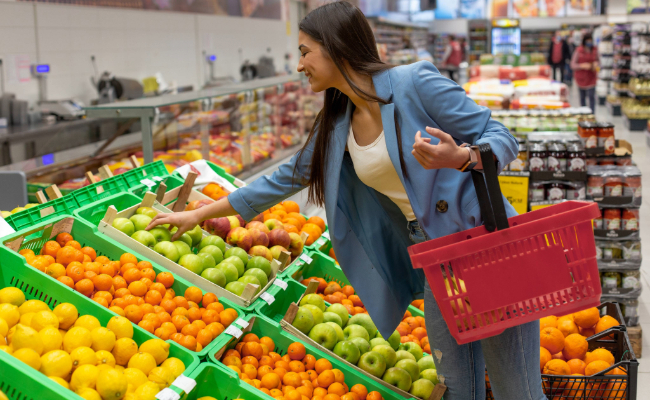
According to the report, most of this growth in value and volume is driven by millennials and Gen Z shoppers, who not only buy the most organic products but also place deep trust in the USDA Organic seal's quality, safety, and integrity.
As for where Americans buy most organic, the jump in organic sales was led mainly by Southern consumers, whose purchases increased eight percent year over year. Volume sales gains were strongest in the Northeast (8.3 percent), followed by the South (7.8 percent) and the Midwest (7.7 percent). As for the leading organic products, it is no surprise that berries topped the sales charts.
This is the fourth year in a row that the category has been the leading American organic purchase. And sales have not slowed, reaching nearly $2.4 billion in 2025, a 12 percent increase from 2024.
Despite ranking fourth in value, bananas are the top seller in volume in the organic fresh produce sector, with 697 million pounds sold.
Berries, America’s darlings
Organic berry sales grew nationwide in both value and volume. Americans bought 436 million strawberries, blueberries, raspberries, and blackberries in 2025, a 24 percent increase from 2024. The category is second to bananas in volume sold despite being priced 24.7 percent above conventional. Their pricing positions them as a high-value category within fresh produce, and cost hasn’t deterred buyers as sales increased to $2.4 billion, a 12.1 percent uptick from the previous year.
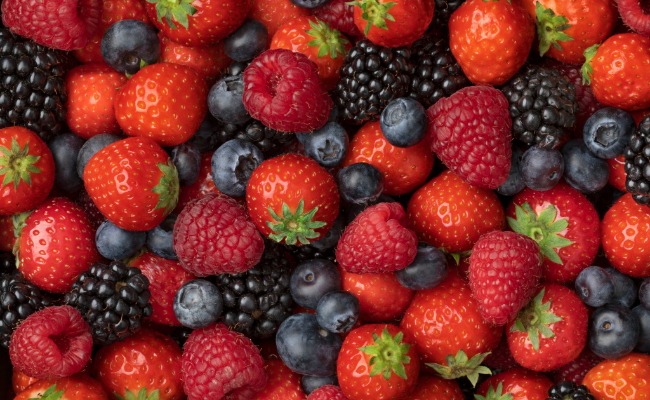
The category didn’t lose ground last year. Organic berries were most popular among Southerners, leading both sales (15.6 percent) and volume (31.8 percent) growth. They were least coveted in the West but still grew 6.1 percent in sales and 11.8 percent in volume.
Packed salads: Is convenience really king?
Organic packaged salads ranked second in sales revenue in 2025, generating $1.4 billion.
However, the category’s overall sales declined 3.2 percent year over year, and volume sold fell 2.7 percent to 173 million pounds.
The report states that this item reflects shifts in consumer spending patterns amid inflation, as it held a 68.8 percent price premium over conventional salads. This was in line with 2024 levels; however, the category still lost customers.
Salads posted year-over-year declines in organic sales and volume across all four regions, with the Northeast posting the largest declines of 6.2 percent and 6.5 percent, respectively.
Organic apples’ difficult year
Organic apple sales grew 0.8 percent in 2025, rising to $740 million. However, volume sales dropped 5.2 percent to 275 million pounds, and premium apple prices rose from 45 percent in 2024 to 47.4 percent over conventional apples.
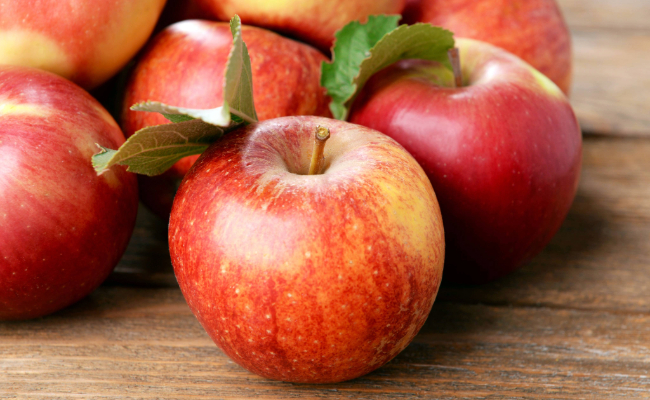
Ben Johnson, head of the leading organic apple supplier, Bridges Produce, called 2025 one of the most challenging years in history for the organic Northwest apple crop.
“Drought conditions, heat stress, labor shortages, skyrocketing expenses, and flat sale prices were all significant contributing factors,” he explained. “Additionally, New Zealand experienced hail damage alongside tariffs and a weakening US dollar, meaning 2026 imports are expected to be light.”
Sales of apples increased in every region except the West, where sales dropped slightly by 0.8 percent. Volumes fell across the nation, from 4.2 percent in the South to 7.2 percent in the Midwest.
Bananas had a strong run
Organic banana sales climbed 15.3 percent to $587 million in 2025, putting the category in fourth place among organic produce. Volume sold rose 9.7 percent year over year to 697 million pounds, a commanding lead over organic berries, which sold 436 million pounds.
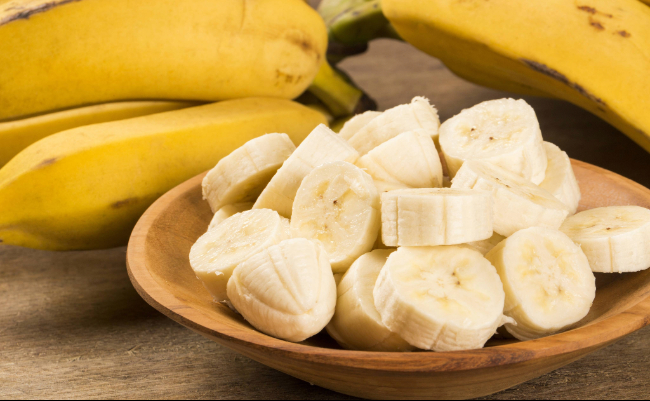
Even at a 40.9 percent premium to conventional bananas, organic sales prices remained within reach for many households, the report states. Their relative affordability and everyday utility helped sustain demand among price-conscious shoppers who prioritize organic.
Organic banana sales grew by double digits across the country, rising most quickly in the South (19.3 percent) and the Northeast (18.7 percent). The latter saw the largest volume increase, rising 15.7 percent.
Citrus sees shocking growth
Organic citrus sales grew by a whopping 17.8 percent in 2025. Despite prices over 50 percent higher than conventionally grown, sales increased 17 percent to $363 million, and volume sold rose 20.7 percent year over year.
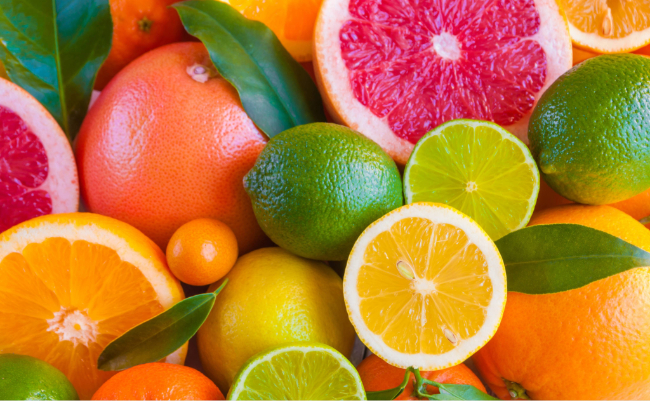
Organic citrus sales grew across the country, led by a 27.9 percent year-over-year increase in the Midwest. The South and Northeast followed with sales growth of 17.7 percent and 17.6 percent, respectively.
Grapes become less expensive—and it works
Organic grape sales grew 11.4 percent year-over-year in 2025. Sales reached $322 million, and volume grew 11.5 percent to 93 million pounds. According to the report, the category’s prices eased slightly from 30.4 percent in 2024 to 29.3 percent in 2025.
The combination of double-digit sales growth and volume suggests that pricing is not the only driver of momentum: demand is as well.
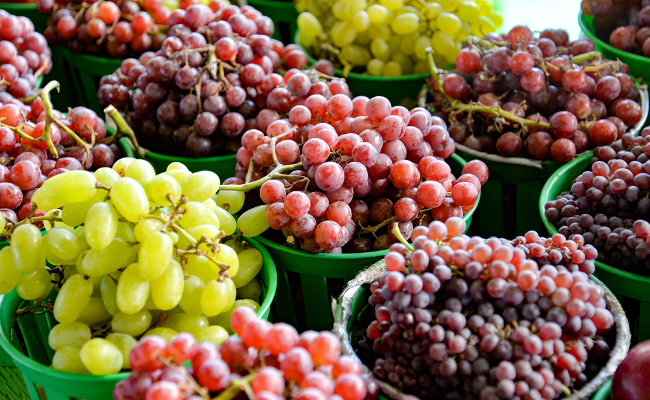
Clarisa Batiz, senior category manager at Divine Flavor, a grower and distributor of grapes, says organic grape sellers are seeing their organic consumer base expand beyond traditional niche buyers.
“More middle-income households, as well as younger generations like millennials and Gen Z, are increasingly driving organic purchases,” she said. “There is also heightened health awareness and growing skepticism around pesticides, additives, and ultraprocessed foods.”
Midwest sales grew by an outstanding 20.4 percent year over year, and the Northeast posted the largest year-over-year volume growth at 25.3 percent.
Organic avocado prices also ease
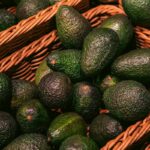
Organic avocado dollar sales and volume sold improved in 2025. Sales grew 8.5 percent to $306 million, and volume grew 7.3 percent year over year to 85 million pounds of produce bought.
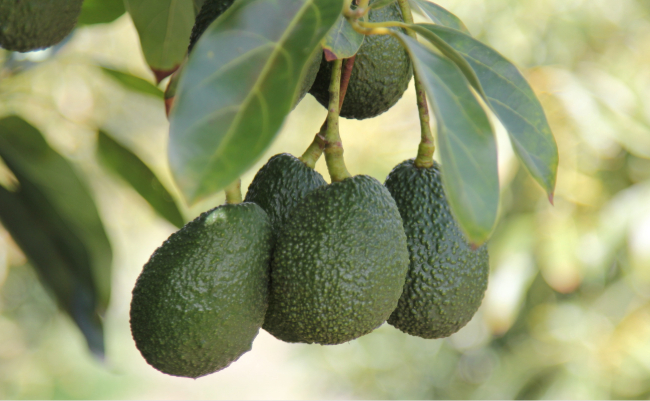
Premium organic avocado prices, relative to conventional, dropped from 54.7 percent in 2024 to 33.7 percent in 2025.
The organic industry's main challenges and concerns
In the report’s hot-button topics affecting the organics industry, the CEO of supplier Homegrown Organics, Scott Mabs, says labor and the weather are two of the industry's main issues hindering growth.
“Our primary concerns remain at the farm level. Labor availability, water access, and increasingly unpredictable weather continue to challenge growers,” he adds. “These pressures can be significant, and the long-term success of the organic industry depends on the continued viability and success of our farms and growers.”
Other recurring issues mentioned in the report include price sensitivity, education, and accessibility.
*All images are referential
Related stories:
Agronometrics in Charts: US organic sales surge to $76.6B, driven by fresh produce
Global blueberry industry 2025 recap: The year of the "Blue Renaissance"





Subscribe to our newsletter