







US tropicals market nears $5.26B, dried and frozen products lead the way
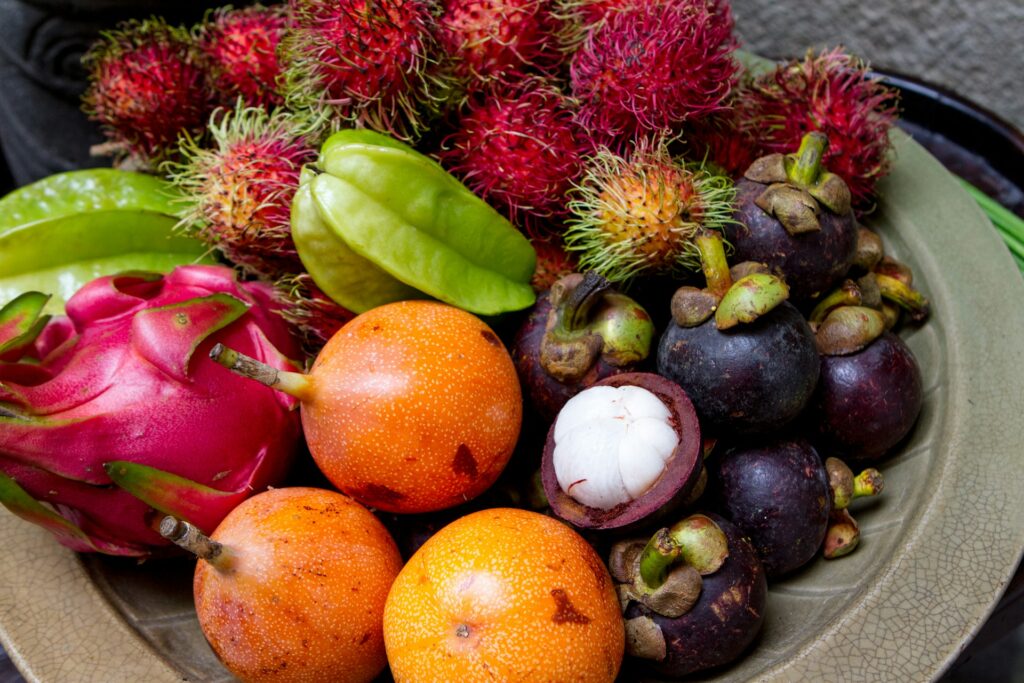



The United States tropical fruit market is on track to reach $5.26 billion by 2026, according to a March report by MarketIntelo. Rising demand for premium fresh exotics, alongside growth in the frozen and dried segments, are the key drivers.


US retailers are expanding assortments beyond traditional staples and leveraging processing technologies to stabilize supply and margins, the document states.
“The industry is witnessing a massive shift in how these fruits are processed and positioned at retail,” the report notes. “Retailers are no longer treating tropicals as occasional novelties. Instead, they are creating dedicated ‘Exotic Islands’ within the produce department.”
Frozen and dried add shelf life
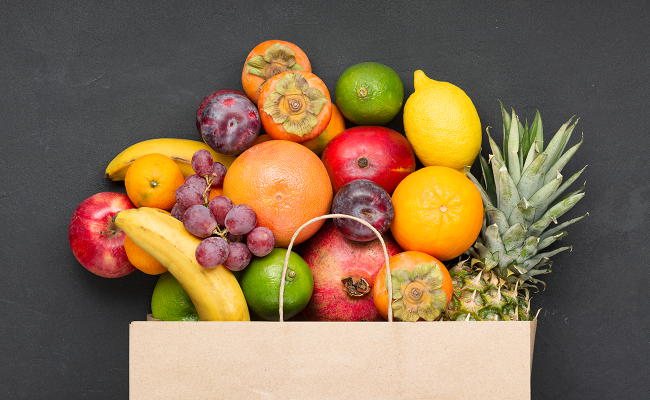
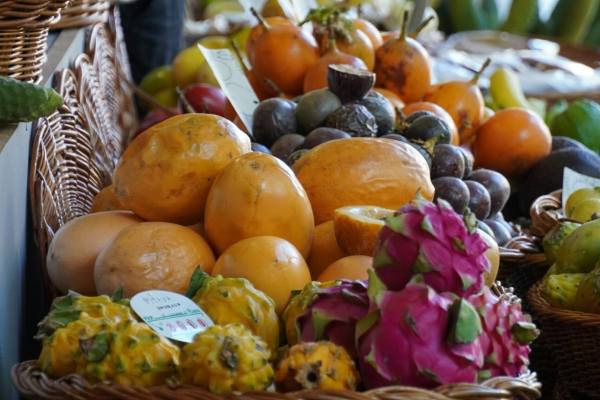
Fresh tropical fruit remains the primary entry point for consumers, with retailers increasing shelf space for higher-value items such as dragon fruit, passion fruit, and lychee. The market’s continued growth is projected at a 6.4 percent compound annual growth rate (CAGR) through 2026, supported by wider retail integration and improved cold-chain logistics.
At the same time, frozen tropical fruit continues to expand as a stabilizing category for both supply and pricing. Products such as mango, pineapple, and dragon fruit benefit from Individual Quick Freezing (IQF) technology, which preserves nutritional value and enables year-round distribution regardless of harvest cycles.
The dried and freeze-dried segments are also gaining traction, particularly in value-added snack and ingredient applications. Traditional dried fruit products are shifting toward unsweetened, clean-label offerings. Freeze-dried products, on the other hand, are being increasingly used in premium snacks, cereals, and granolas. The report notes that freeze-drying can retain up to 90 percent of a fruit’s nutritional value.
North America leads the global freeze-dried tropical fruit market. The CAGR is expected to remain at 6.5 percent, supported by established processing infrastructure and consumer demand for convenient, nutrient-dense products.
Juice market supports utilization
Mafalda Ramos / Unsplash
The tropical juice category plays a key role in supporting the broader fruit market by absorbing off-grade fresh fruit and reducing waste. According to MarketIntelo, North America holds a 32 percent share of the global tropical juice market, with demand driven by 100 percent not-from-concentrate products and functional beverage formulations.
Tropical juices are commonly used as bases for blended beverages, offering both flavor and functional attributes. Namely, pineapple juice is highly valued for its bromelain content, and passion fruit for its ability to enable lower-sugar formulations in beverage blends.
This link between fresh and processed channels helps maximize utilization across the supply chain, particularly as import volumes and product diversity increase.
While the US remains the primary consumption market, Asia-Pacific continues to serve as a key processing hub, particularly for freeze-dried and frozen products.
The report also points to increasing interest in traceability and “single-origin” tropical products, particularly in premium snack and beverage categories.
Sustainability and innovation
Looking beyond 2026, the report indicates that sustainability and byproduct utilization will shape the next phase of growth.
Some industry efforts include biodegradable packaging, carbon-conscious logistics, and the upcycling of fruit waste into ingredients such as dietary fiber and cosmetic extracts.
MarketIntelo states that continued innovation across fresh, frozen, dried, and juice categories will support the long-term expansion of tropical fruit in the US.
*All images are referential.
Related stories
Florida tropical fruit growers face new water and weather challenges
The tropical takeover and treatonomics: 5 top fruit trends driving consumer behavior in 2026
The “Tropical Jewel” shines on as mango market defies challenges







Subscribe to our newsletter