








Chilean kiwifruit industry to delay harvest, prioritize quality



Writing and reporting by Macarena Bravo | Lee esta noticia en Español.


Despite auspicious initial projections, the Chilean kiwifruit industry is currently facing a slight setback. It’s not bad news, Kiwifruit Committee President Carlos Cruzat tells FreshFruitPortal.com, but a careful strategy to secure higher quality and improved sizing.
While the season traditionally begins in March, the sector is now aiming for a much later start. This, Cruzat explained, helps the fruit achieve better net weight and Brix levels, which are projected to reach 6.5 at picking.

“We are seeing that companies have recognized the benefit of having fruit physiologically more fully developed, with higher soluble solids at the start of the harvest,” he noted. “This allows the fruit to be harvested under optimal conditions.”
Weather woes and commercial strategy
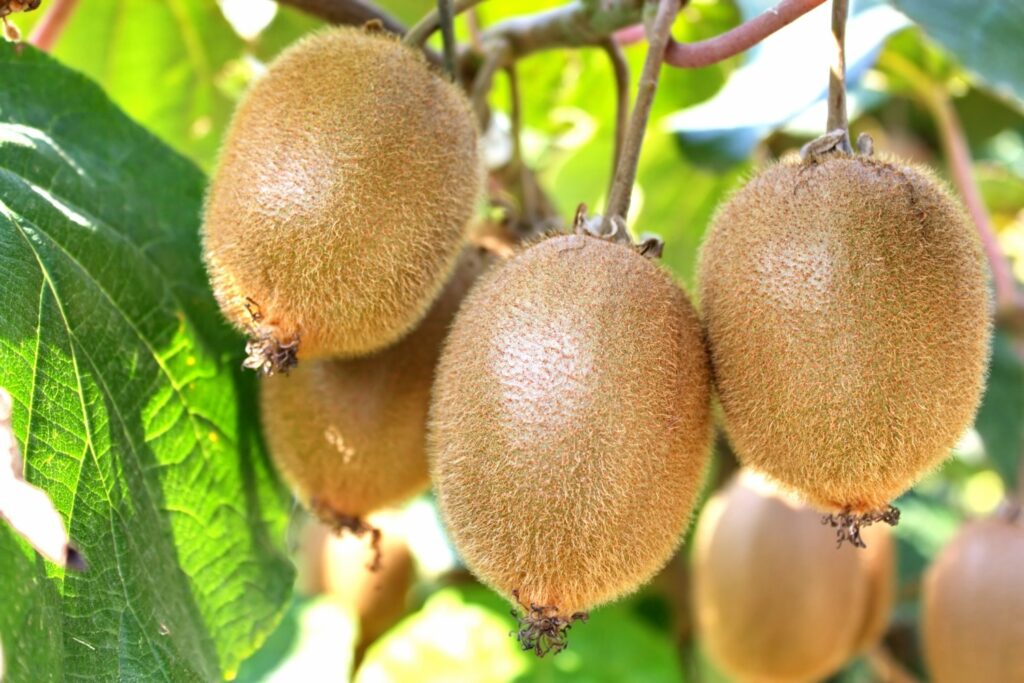
Cruzat said that during visits to local orchards, producers have noticed fruit with significant growth and a notable increase in weight. This, he explained, is presumably due to slightly more humid weather conditions from mid-February through late March. The shift, he says, will result in a lower proportion of small sizes than expected, with fruit featuring a green skin tone—a clear indicator of good growth with slightly less stress.
The executive said that market adjustments can occur during the transition from northern-hemisphere to southern-hemisphere supply, but the local market will still enjoy nearly year-round kiwifruit availability.

Kiwifruit Committee President Carlos Cruzat | Photo courtesy of Frutas de Chile.
Cruzat said that the harvest has already finished in the northern Aconcagua and Valparaíso regions, as well as in the Metropolitan Region. Fruit-picking has now shifted to the southern O’Higgins and Maule regions in the south, where operations are in full swing. Harvesting will soon begin in the Ñuble region and then continue moving farther south.
Chilean kiwifruit outlook
Cruzat indicated that volumes should support stable commercial programs from start to finish, with steady shipments reaching markets without major peaks.
“We must focus on doing a very good job in terms of harvesting and packing, because we are facing a period in the kiwifruit market where there is very strong demand,” he said. “The better our fruit is, the better results we can achieve, and that is what concerns us today.”
*All images are referential unless stated otherwise.
Related stories:
Premium green kiwifruit Dulcis closes its 2025/26 season exceeding industry expectations
Primland's Chilean kiwifruit crop soars 20 percent as South African season kicks off strong
The second life of Chilean kiwifruit—more acres, better quality, and new markets









Subscribe to our newsletter