







Breakthrough CRISPR rootstock offers hope against deadly citrus greening
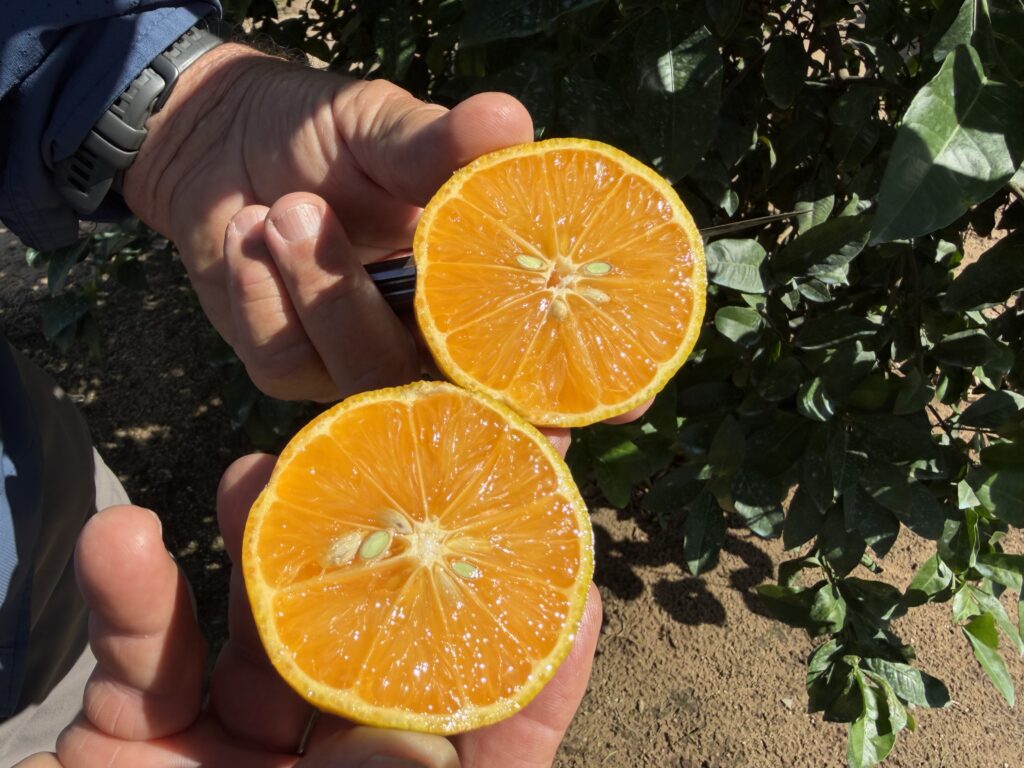



A potential turning point for the United States citrus sector is taking shape as a new citrus greening-resistant rootstock advances toward regulatory clearance, with commercial volumes already moving through the pipeline.


Florida-based biotech company Soilcea developed CarriCea T1, a Carrizo orange variety that is resistant to HLB, also known as citrus greening. The bacterial disease is one of the largest threats to the citrus industry worldwide and is currently responsible for billions of dollars in annual losses.
Carrizo is the most widely used rootstock for grafting other citrus. The company says growers have already placed orders totaling over 300,000 units.
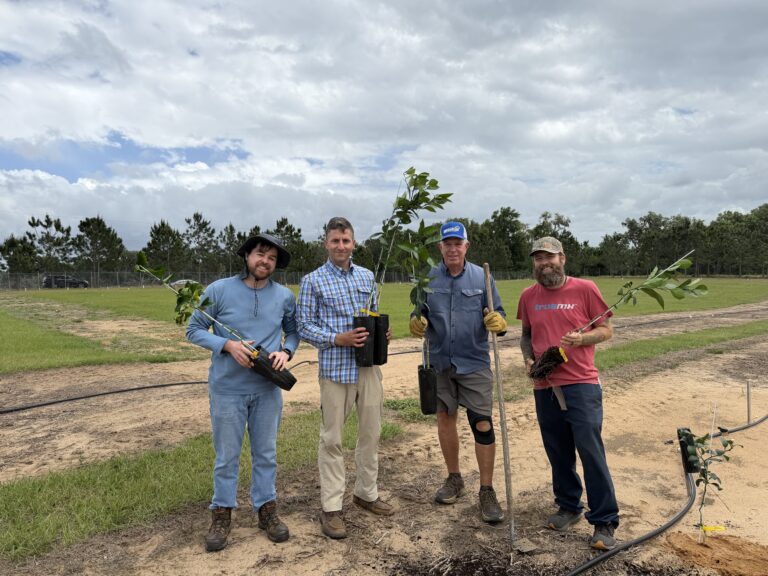
“We’re mainly working in Florida, but for CarriCea T1, we're already starting to work with some growers in Texas,” Soilcea CEO and President Yianni Lagos told FreshFruitPortal.com. “We're also in talks to start working with growers and researchers in California as well. We really hope this is going to be a nationwide solution.”
The genetic innovation arrives at a critical moment for the industry at large, as citrus greening continues to erode production across key growing regions. Florida’s output has plunged from approximately 300 million boxes two decades ago to about 14 million today, while yields have dropped sharply from over 400 boxes per acre to roughly 70.
“We're getting these CarriCea T1 trees ready to go for growers. We have 200,000 of these trees going through the nursery pipeline,” Lagos said.
As for regulatory timelines, the Soilcea executive said the company is working closely with the United States Department of Agriculture (USDA) and the Environmental Protection Agency, and that approval should come “any day now”.
“Both environmental and human health risk assessments for CarriCea T1 came back really clean. There are no reasonable risks detected. So, fingers crossed,” he stressed.
CarriCea T1: Replanting hope in a shrinking industry
With citrus growers struggling to remain profitable under current disease pressure, the timeline for adoption remains critical, Lagos noted.
Trees typically require three years to begin fruiting and four years to reach meaningful production levels, making near-term planting decisions pivotal for long-term recovery.
“The key is starting the rebuild process because production's down 95 percent. It's really fallen off a cliff,” Lagos added.
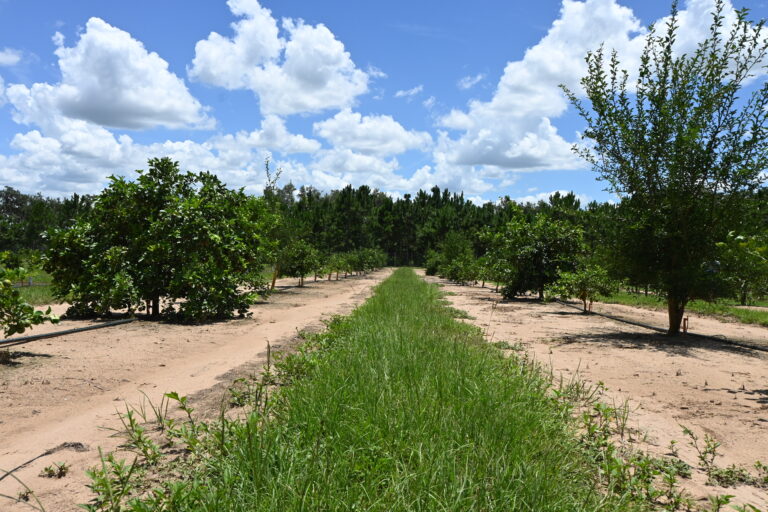
Soilcea is also expanding its pipeline with additional CRISPR-edited rootstocks tailored to diverse growing conditions.
“Aside from CarriCea T1, the next thing we have coming down the pipeline is Benicia D1. It’s a CRISPR-edited US 812 variety, which was developed by the USDA, and we're using CRISPR to induce HLB resistance to that variety,” the executive said. “Growers on the East Coast, especially in Florida, find that variety does better than Carrizo because it likes the more sandy, well-draining soils. We're trying to create other varieties that'll fit different soil types.”
*All pictures courtesy of Yianni Lagos | Soilcea.
Related stories
Citrus greening confirmed for the first time in Arizona, Nogales area quarantined
A fresh squeeze on citrus greening: University of Florida breakthrough tree shows HLB tolerance
University of Florida study enlists local residents to fight the spread of citrus greening disease




Subscribe to our newsletter