Antimicrobial gases and essential oils might unlock a longer shelf life for berries
 Add Fresh Fruit Portal to Google
Because of their high water content, perfectly good berries go soft, moldy, and unsellable post-harvest, cutting producers and retailers’ margins in an already tight market.
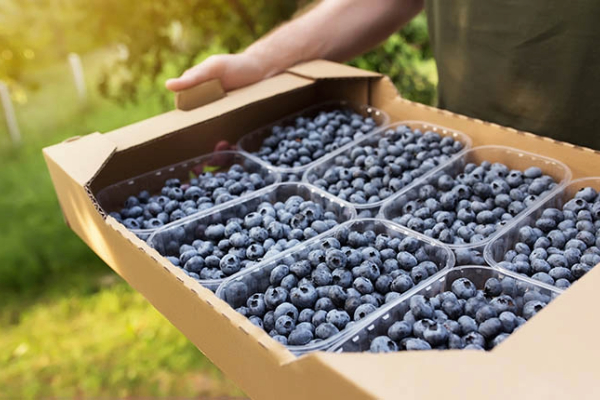
To slow the spoilage of blueberries and strawberries, the Post-harvest Technology Lab at the University of Florida (UF)’s Indian River Research and Education Center (IRREC), led by professor Mark Ritenour, is currently fine-tuning a suite of essential oils and antimicrobial gas treatments that promise to help with this problem.
"We wanted to come up with a commercial way to treat strawberries and blueberries, and also something we could leverage at different times of the season," the academic said to the university.
From essential oils to sachet pads to battle post-harvest
When looking for possible solutions to hinder the negative effects of the bacteria and fungi driving post-harvest losses, two essential oils stood out for their effectiveness: carvacrol and thymol.
However, there was an issue: the potent smell from the oils made the box too odorous, potentially compromising consumer appeal at retail.
After that proved commercially unviable, Ritenour’s team turned to antimicrobial gases, and again, two candidates emerged as top contenders: chlorine dioxide and sulfur dioxide, with the former having the added benefit of knocking down E. coli levels in both strawberries and blueberries.
To translate this finding into a commercially applicable post-harvest technique on the packing line, the UF lab teamed up with an industry partner to develop sachet pads that sit directly inside the fruit’s clamshell packaging, releasing chlorine dioxide at controlled rates.
"You get a chlorine dioxide gas that's slowly released, or [has] different release timings—a faster release or slower release," Ritenour explained. "We just place a pad on top of each flat of strawberries or blueberries and then ship it away."
Sulfur dioxide, long a preservative staple of the table grape industry, is also increasingly being used by the berry industry. The researcher said it has already been cleared for use on blueberries, and its effectiveness is currently being tested on strawberries, prompting the IRREC team to begin its own sulfur dioxide trials on that crop.
Measuring what matters
What defines fruit quality is a famously grey area, part visual, part textural, and part chemical. But the UF lab is evaluating all of it, assessing the variables responsible for all these factors, including levels of decay, tissue damage, calyx browning, sugar and acid content, and firmness.
The latter is especially critical for blueberries, with consumers judging freshness largely by bite.
"The main thing we're looking at right now is decay and injury," Ritenour said. "We also look at browning of the calyx or necrotic areas, because that tells us we're getting too high a concentration.”
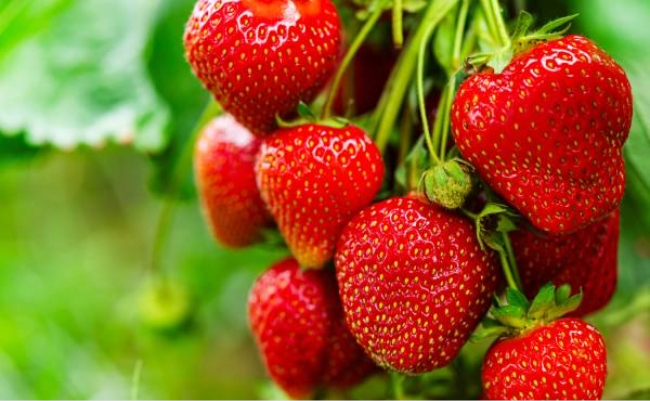
The researcher clarified that the treatment has not triggered any observable changes in chemical composition, including sugar or acid levels. This means the solution is effective without compromising the fruit's flavor profile or its nutritional content, or negatively affecting the consumer experience.
The variability problem
The science behind this research is encouraging, but the commercial reality is messier, Ritenour explained.
Variability between grower operations, regions, weather patterns, and the dominant decay pathogens in any given field remains the biggest obstacle to a one-size-fits-all solution to extend berries’ shelf life. The academic is also adamant that post-harvest tools can only do so much in that front, since some decay begins in the field, long before the fruit is picked.
"Once the product is harvested, its maximum quality is already determined," Ritenour said.
Still, the lab's findings point toward a practical path forward. Moderate concentrations of chlorine dioxide are proving just as effective as higher doses, which is good news for both treatment costs and regulatory and safety profiles.
"Now the challenge is working out the kinks and finding the best commercial way to apply it," the expert added.
That last mile of commercialization may be a jackpot for berry growers, who, according to data from the United Nations’ Food and Agriculture Organization, lose anywhere between 30 and 60 percent of their strawberry and blueberry volume to post-harvest decay every year.
Related stories: