







Avocado set to become world's most traded tropical fruit by 2035
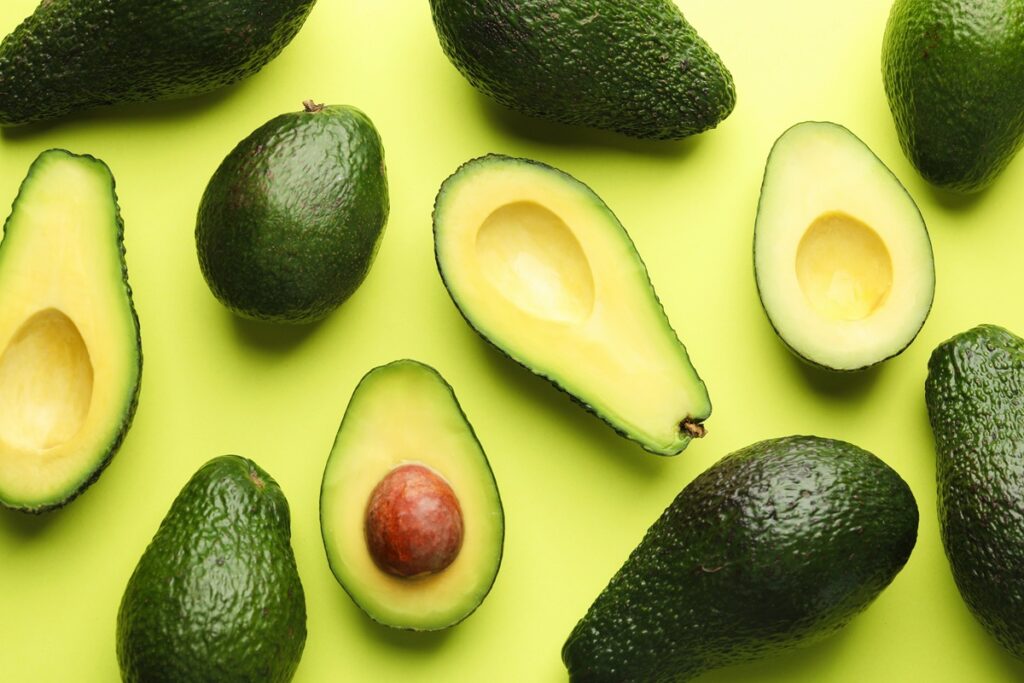



The global avocado trade has maintained strong momentum through 2025. According to the OECD-FAO Agricultural Outlook 2026-2035, global exports reached approximately 3.3 million metric tons—a 13 percent year-on-year increase. This growth was fueled by expanding Peruvian supply and robust international demand, the assessment noted.


The double-digit expansion significantly outpaced the two percent growth seen in 2024. While Mexico faced export constraints due to high domestic consumption, Peru capitalized on increased production and heightened interest from key importing markets.
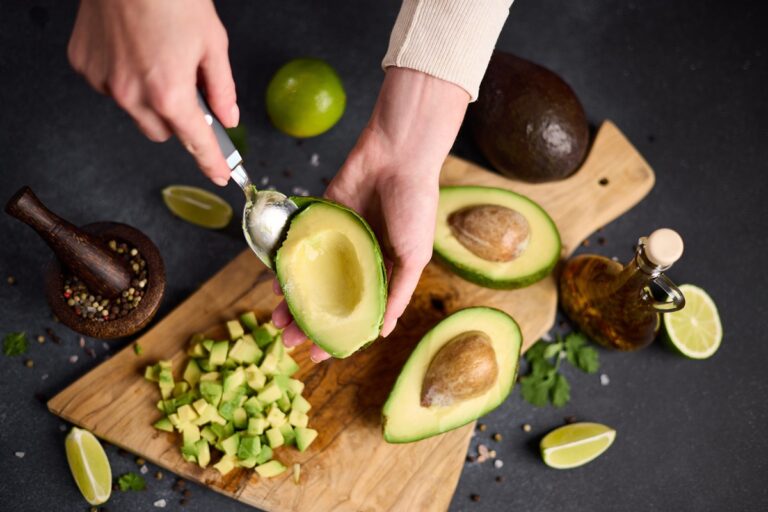
By 2035, the avocado is poised to become the world’s most traded tropical fruit by volume, overtaking the pineapple. Global exports are forecast to reach 4.3 million metric tons, with a projected value of nearly $11 billion (at constant 2023–2025 prices).
New players entering the avocado game
While Mexico and Peru now control over 60 percent of the global trade, primarily serving the United States and European Union markets, the report also identifies Chile, the Dominican Republic, and Morocco as key emerging suppliers.
Conversely, Kenya and South Africa experienced export declines, largely due to logistical disruptions caused by the Red Sea crisis.
Global imports rose by nearly 12 percent in 2025, totaling three million metric tons. This increased availability satisfied rising demand in the US and EU, where consumers increasingly prioritize avocados for their nutritional profile and health benefits.
Long-term outlook
Although avocados currently have the lowest production volume among major tropical fruits, they are expected to achieve the highest growth rate in the sector.
The FAO and OECD project global production to grow at an average annual rate of almost three percent, reaching 16 million metric tons by 2035—tripling the volume recorded in 2015.
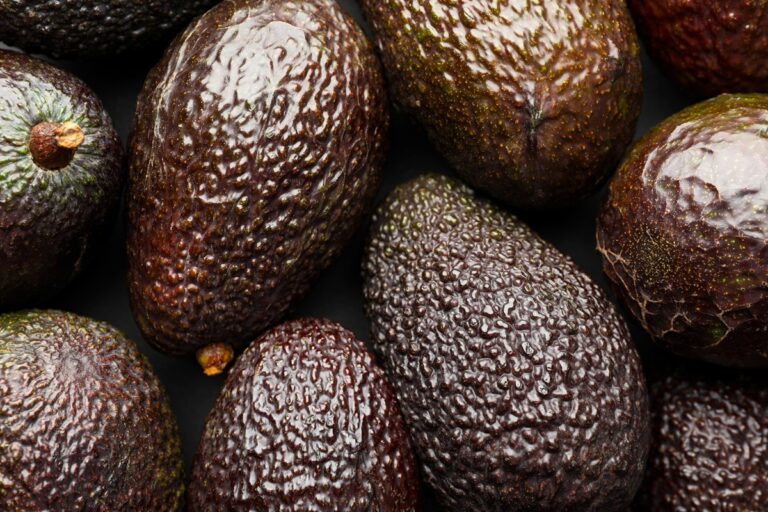
Several factors drive this trend, including high international demand, attractive returns, and premium export prices. These conditions continue to incentivize investment in both established and emerging production regions.
Supply will remain concentrated, with Mexico, Colombia, Peru, and the Dominican Republic expected to produce 53 percent of the global volume by 2035. Latin America and the Caribbean will maintain their dominance, contributing approximately 65 percent of global output.
Dominating international trade
Mexico will retain its leadership role, accounting for roughly 38 percent of global exports in 2035, provided it maintains favorable access to the US market.
Peru is expected to remain the second-largest exporter, holding a 25 percent market share, with the EU as its primary destination. Emerging exporters like Colombia and Kenya will also continue to gain traction.
The US and the European Union will continue to lead global demand, representing 41 percent and 28 percent of imports, respectively. Together, they will absorb the majority of the nearly four million metric tons projected for import by 2035.
Significant growth is also anticipated in the United Kingdom, Canada, China, and the Middle East, driven by rising disposable incomes and shifting consumer preferences.
Additionally, internal demand is strengthening in producing nations such as Colombia, Indonesia, and Mexico, leading to higher per capita consumption domestically.
*All images are referential.
The second edition of the Global Avocado Summit will be held on November 11, 2026, at the Monticello Casino Events Center in Santiago, Chile. Organized by Paltas de Chile and Yentzen Group, the meeting seeks to bring together the main players in a growing industry
The event has established itself as a key space for addressing commercial and sustainability issues in the industry, bringing together producers, exporters, buyers, certifiers, and innovators to analyze the sector’s challenges and opportunities.
For more info, contact events@yentzengroup.com
Related stories
WAO: Avocado growth in Europe hinges on a better understanding of the consumer
The year of the avocado: Fierce competition and record volumes shaped the 2025 market







Subscribe to our newsletter