








New study links daily blueberry consumption to lower risk of cardiovascular disease and diabetes




A landmark systematic review and meta-analysis published in the American Journal of Clinical Nutrition reveals that higher daily intake of anthocyanins—the powerful antioxidants that give blueberries their deep blue hue—significantly reduces the risk of major cardiometabolic diseases in healthy individuals.


The study, conducted by a team of researchers at Tufts Medical Center in Boston, suggests that small dietary changes, such as consuming just one-third of a cup of blueberries a day, can spark substantial, long-term health benefits, including reduced risk of type 2 diabetes and cardiovascular disease mortality.
Blueberries help with chronic protection and reduced disease risk
By pooling decades of data from 18 prospective cohort studies spanning publications from 1946 to September 2024, researchers analyzed the diets of over 360,000 healthy adults and found a clear link between low anthocyanin intake and a more prevalent development of chronic cardiometabolic conditions.
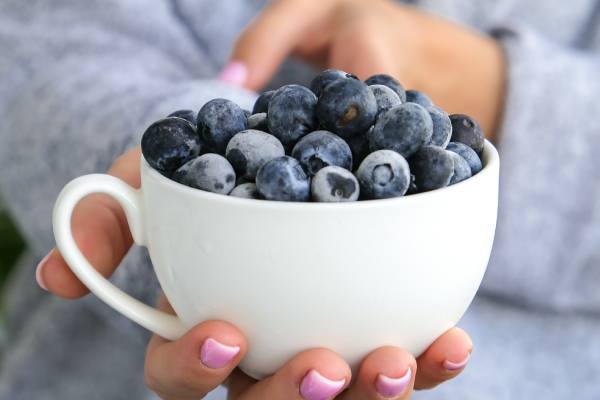
Among the key findings, the team discovered significant health benefits of higher anthocyanin intakes, including the drop of cardiovascular disease incidence by 26 percent; a decrease of 18 percent in heart attack risk; an 11 percent fall in the risk of developing type 2 diabetes falls by 11 percent; a cardiovascular mortality risk reducction of nine percent; and an eight percent decline in the risk of developing hypertension.
These findings present a compelling case for the long-term preventive power of colorful, antioxidant-rich fruits like blueberries.
Rapid biomarker improvements
In addition to long-term population data, the study reviewed 65 randomized controlled trials (RCTs) to understand the immediate, physiological effects of anthocyanins on the human body.
The clinical trials revealed that consuming as little as 50 milligrams of anthocyanins per day led to remarkable, rapid improvements in vascular health. Specifically, both short-term (acute) and long-term (chronic) consumption improved flow-mediated dilation (FMD)—a key metric measuring how well blood vessels dilate.

Better arterial elasticity and blood flow are critical in preventing plaque buildup (atherosclerosis) and mitigating metabolic syndrome, the study found.
The clinical trials also demonstrated a significant reduction in fasting insulin concentrations, highlighting the role anthocyanins play in improving sensitivity to it and regulating glucose metabolism.
"This study suggests that simple and achievable dietary changes could have a significant impact in reducing the risk of heart disease and type 2 diabetes," said Aedin Cassidy, Co-Director of the Co-Centre for Sustainable Food Systems at Queen's University Belfast, and part of the research team. "Our study shows clinically relevant improvements in blood flow, elasticity of the arteries, and insulin levels in the combined trial data, and these improvements could translate into significant long-term health benefits."
For the global produce industry, these results reinforce a powerful marketing message: a single serving of blueberries delivers far more than flavor. Because a standard serving of blueberries (one cup) contains roughly 150 milligrams of anthocyanins, consumers only need to eat about one-third of a cup daily to reach the highly beneficial 50-milligram threshold highlighted in the study.
*All images are referential.
Related stories
Chilean blueberry research seeks to boost health benefits and improve quality
Opinion | Blueberry, the new candy for children and adults
Fresh blueberry exports and imports hit record highs in 2025











Subscribe to our newsletter