High-pressure spray applications may help spread bacterial spot disease, scientists warn
 Add Fresh Fruit Portal to Google
An unexpected catch-22 is raising concerns for commercial tomato and pepper growers in the Sunshine State and beyond. Recent studies by the University of Florida Institute of Food and Agricultural Sciences (UF/IFAS) indicate that high-pressure fungicide spraying can disperse the Xanthomonas pathogen, which causes the dreaded bacterial spot disease.
The pathogen currently poses a significant economic threat in warm, humid regions such as Florida and parts of Latin America. According to UF data, bacterial spot can slash marketable yields by up to 50 percent.
Renzo Ramírez, a doctoral student at UF/IFAS’ Gulf Coast Research and Education Center (GCREC), explained to FreshFruitPortal.com that while the direct effect of agrochemicals on the survival or spread of the bacteria has yet to be evaluated, the risk of spreading the disease is a very real one.
"A preliminary recommendation would be to avoid spraying when the foliage is wet, especially during the early morning hours when dew is still present. Under these conditions, the bacteria can be found on the leaf surface, and high-pressure spraying could facilitate their aerosolization and dispersal," Ramírez said.
To help growers navigate this challenge, the team, led by UF plant pathologist Gary Vallad, is investigating how environmental variables dictate aerosol transport.
"This data will help us develop more precise recommendations regarding the best times of day and weather conditions for spray applications to minimize the risk of pathogen dispersal without compromising the effectiveness of crop management," the student noted.
Integrated management: A weapon against bacterial spot disease
As chemical resistance among pathogens grows, there’s no silver bullet for pest management in commercial settings.
“Today, no single control tool is sufficient on its own. Management must evolve toward an integrated approach grounded in scientific evidence and continuous pathogen monitoring. This offers the best chance of maintaining effective and sustainable disease control," Ramírez noted.
The strategy relies on alternating chemical products with biological alternatives, maintaining an appropriate fertilization program to support overall plant health, and reducing contamination sources by controlling host weeds, removing infected crop debris, and rotating fields when possible.
However, success also hinges on real-time data collection in the field.
"Continuous monitoring of pathogen populations through surveillance studies helps identify which species or strains are present in each region and determine their level of resistance to available products. This information is critical for timely adjustments to management strategies and for guiding breeding programs toward developing varieties resistant to the most pressing issues today," he emphasized.
High humidity, heavy losses
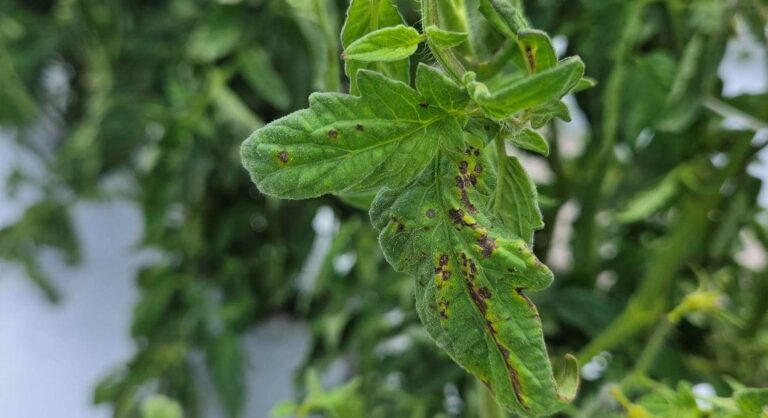
Bacterial spot disease has long been a scourge on Florida’s agricultural crops. Its substantial economic damage stems from two distinct phases of the disease, beginning with necrotic foliar lesions that reduce the plant’s ability to perform photosynthesis.
"In severe cases, it can cause defoliation, leaving the fruit exposed to sunscald, which lowers its quality," Ramírez explained.
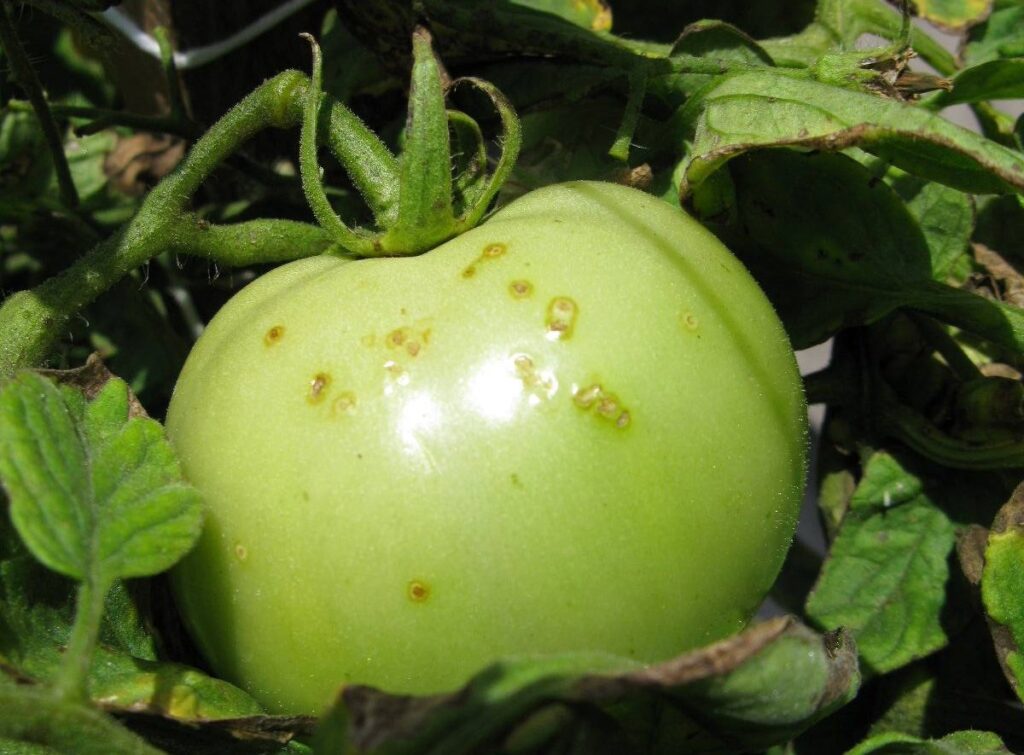
Secondly, the pathogen directly targets the harvestable product. "The bacteria can directly infect the fruit, producing lesions that significantly reduce its market value or completely prevent it from being sold in fresh produce markets," the researcher said.
At the farm level, past economic assessments in southwest Florida have estimated bacterial spot losses at approximately $3,090 per acre based on historic production costs and fresh-market values.
To combat the physical spread of the bacteria during necessary applications, researchers are looking closely at application technology.
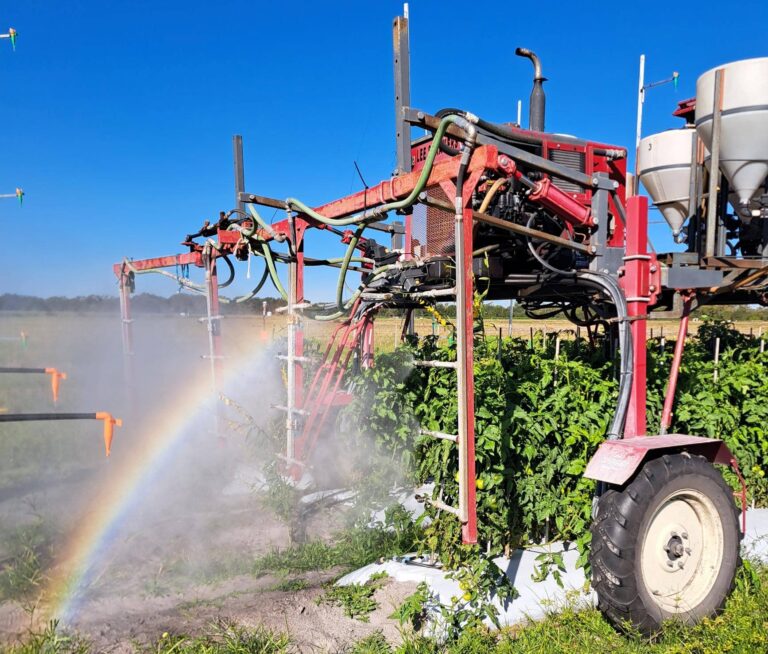
"We are currently evaluating the effect of different nozzle types and spray pressures on bacterial dispersal," the researcher said. "While we are in the early stages, we hope to identify alternatives that maintain good crop coverage while reducing the aerosol formation that facilitates pathogen spread."
However, as new methods and solutions arise, cost remains a primary concern, especially for mid-sized or smaller operations.
"Because of this, research centers must focus not only on developing cutting-edge tools, but also on creating accessible, practical technologies that are easy to implement across different production systems," Ramírez concluded.
*All photos courtesy of UF/IFAS.
Related articles
University of Florida lettuce crops show full resistance to bacterial leaf spot