As British Columbia’s Bald Range fire rages on, fruit producers still can't gauge crop losses
 Add Fresh Fruit Portal to Google
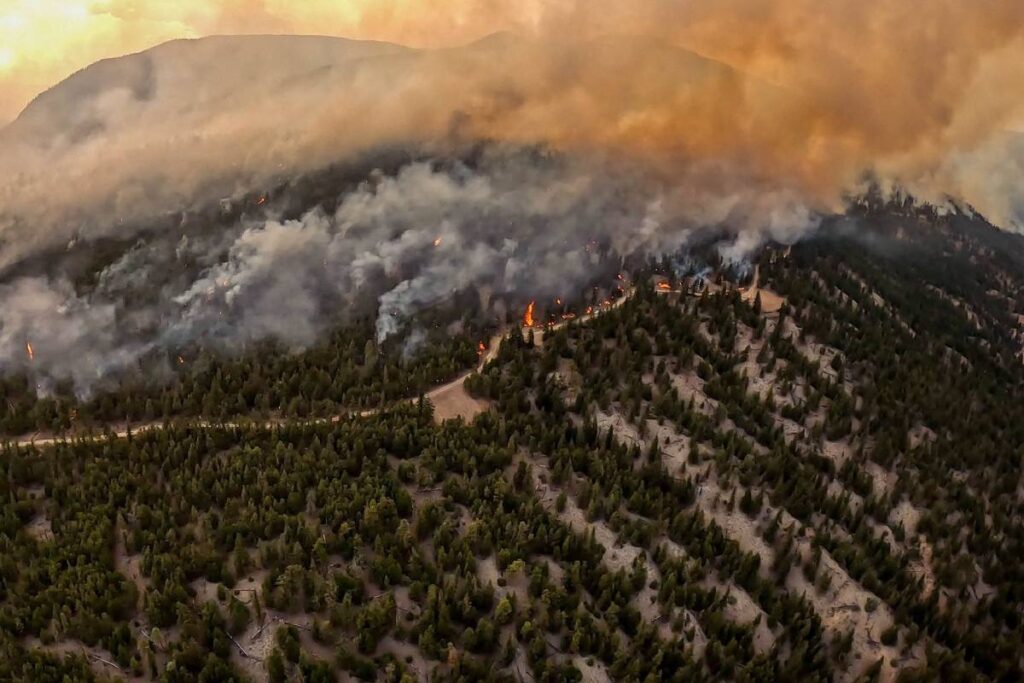
The Bald Range fire, a series of simultaneous wildfires in British Columbia, southwest Canada, has fruit producers in the region experiencing a living hell.
With over 45 fires still out of control, the massive emergency continues to ravage the Okanagan Valley, home to numerous agricultural operations, including apple, cherry, plum, prune, nectarine, and grape production.
As of August 9th, the affected area comprised 53.5 square miles, prompting the full evacuation of nearby Summerland and Peachland, which relocated over 20,000 people over the weekend. On Saturday, the provincial government declared a state of emergency, triggering travel restrictions, including the closure of Highway 97, which was reopened on August 13th, even as total evacuation orders remained in place.
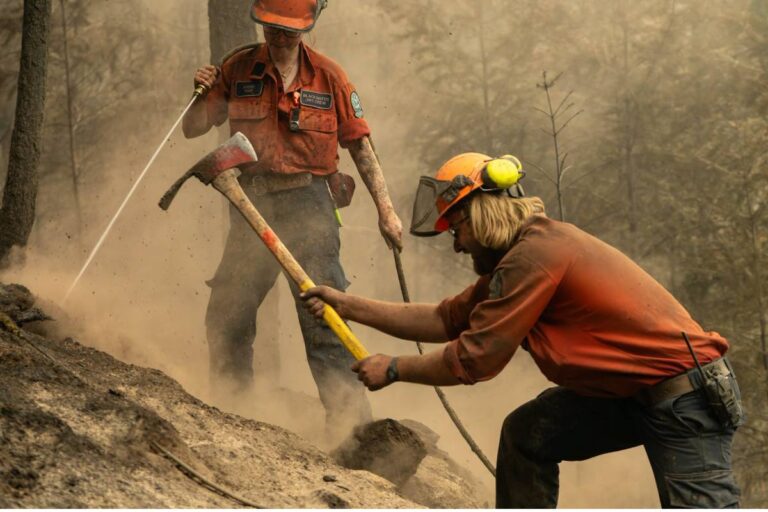
Images from the area show the devastating effects of the fires, whose terrible force has been compounded by severe underlying drought, a dramatic drop in winter precipitation, and some of the hottest summer temperatures ever recorded in the country.
Adrian Arts, Executive Director of British Columbia Fruit Growers Association (BCFGA), told FreshFruitPortal.com that it’s still too early to gauge the true magnitude of the fires’ financial impact in the fruit industry.
However, given that flames came right at the beginning of the harvest for early apple varieties and other key moments in the season for several other crops, losses could be anywhere from millions to tens of millions of dollars.
“I don't really know, but it's gonna be substantial,” he said.
An early end for cherries, a rough start for apples
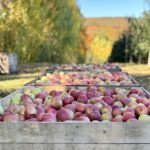
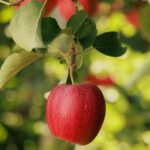
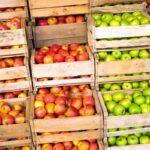
In the category breakdown, one of the most impacted crops by the Bald Range fires is apples.
According to Arts, the harvest for the early Sunrise variety was set to start in Summerland, one of the two major apple-growing regions, on Saturday. But with a full evacuation order in the area, fruit is just waiting for hands to pick it.
“They have a very short window to be harvested, so we're assuming probably Sunrise apples from Summerland won't happen this year just because of maturity. They'll be overripe by the time we get back in,” the industry leader lamented.
Meanwhile, the wildfires hit at the tail end of the British Columbia cherry season, with the last bit of fruit still waiting to be harvested.
“Unfortunately, those cherries will be spoiled at this point just due to the harvest window,” Arts said.
Ricky Chong, Director at local fruit distributor and exporter World Fresh Exports, told FreshFruitPortal.com that his company’s operations have been disrupted by the fires, as access to their facilities and workers’ ability to move and ship fruit have been hindered by the evacuation order.
“Earlier in the season, we also experienced approximately 10 days of extreme temperatures associated with the Super El Niño,” he added. “This put considerable pressure on our ability to pick, pack, and ship fruit and complete orders on schedule. As a result, we expect to finish our cherry season approximately 10 days earlier than anticipated.”
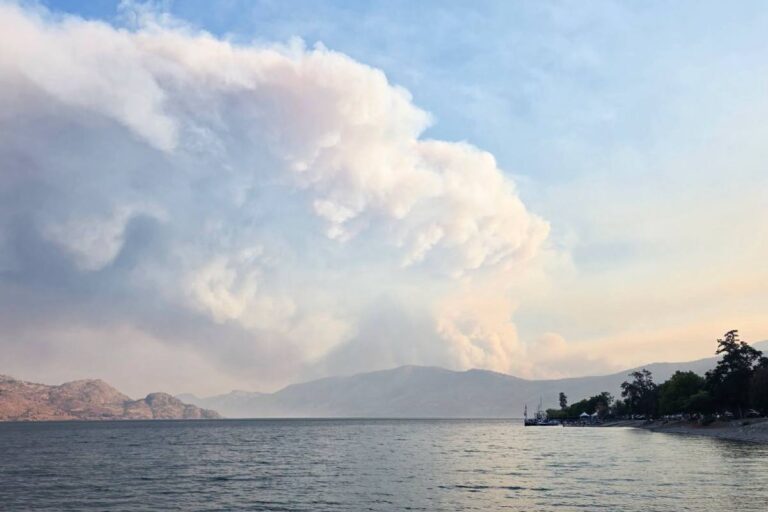
Meanwhile, the peach harvest in the southern Okanagan Valley had just started, and a shortage of picking hands would result in significant loss of fruit due to overripeness. Prunes, plums, and nectarines will have a similar future, says Arts, as they have a very short harvest window.
At the moment, there’s no clarity as to whether orchards have been burned by the fires. However, Arts said there are unassessed damages to infrastructure, along with long-term impacts from the lack of maintenance on fields and orchards.
“Farmers are not in there spraying for pests or irrigating, so after a week of no water, potentially there's already physiological problems that are gonna be created in future years' crops by the reduced water,” he added.
Canada, a postcard for climate change
In the last decade, temperatures have been rising staggeringly in Canada due to climate change.
According to the Climate Institute of Canada, the country is warming up twice as fast as anywhere else on Earth, and has recorded its hottest summers in history in 2023, 2024, and 2025. The latter takes the number one spot, and 2026 temperatures are nearing those reported two years ago.
The head of the BCFGA said it’s been a tough six years for the sector, and weather conditions have bred a fertile ground for wildfires.
At the beginning of the year, British Columbia reported a short winter with record-low precipitation, down between 50 and 70 percent. Vancouver, for example, closed the season with no snow for the first time in 43 years. Temperatures in the province were high, and snowpack was sparse, which Arts said resulted in depleted reservoirs. The Okanagan Lake currently sits at its lowest point in 80 years for August 13th.
The situation has led to provincial government-mandated water rationing, which, depending on the area, has effectively cut agricultural supply by up to 70 percent since November 2025. In some cases, Arts said, the news came well into the season, when irrigation plans are crucial for optimal fruit development.
In Vernon, in the Okanagan Valley, he says the city reduced agricultural water use by 70 percent.
“And they told farmers, you pick and choose which one of your trees dies. We have been advocating that it's brutal,” he added.
Arts is critical of the government's response to climate change and says there’s disappointment in the lack of support for the Canadian agricultural community.
“We have been talking about the impacts of climate change and how current risk management programs are inadequate to deal with what farmers are facing,” he said. “The government keeps on talking about food security and food sovereignty, but yet they allow local governments and provincial governments to shut off and restrict water without a safety net to support our agricultural producers.”
Local authorities are still investigating the cause of the Bald Range fires, and a human origin has not been ruled out. Over the weekend, British Columbia Premier David Eby visited evacuees and said there are funds ready to help.
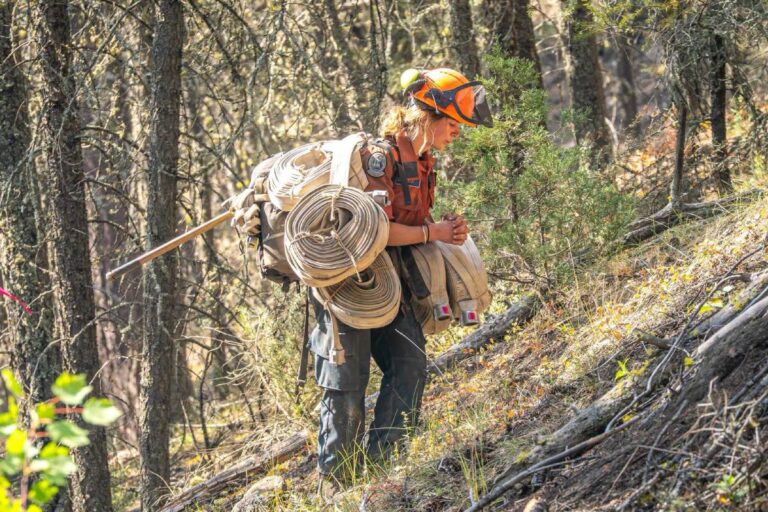
As of August 13th, nearly 1,700 personnel have been battling the flames in temperatures ranging from 61 to 90 degrees Fahrenheit. No precipitation is forecast for the near future.
*All images courtesy of BC Wildfire Service via Facebook.
Related stories
Pollination woes are reducing blueberry volumes, yields, and profits in British Columbia
No weather woes in the Great White North: Canadian cherries are set for a large 2026 crop
Climate change is altering Canada’s growing environment, highlighting the value of crop diversity