


No weather woes in the Great White North: Canadian cherries are set for a large 2026 crop
 Add Fresh Fruit Portal to Google
While crop estimates in Washington and California have been revised down due to cold snaps, unusually warm winter temperatures, and unseasonal rains, changing weather patterns have come as a gift for Canadian cherry growers.
Ricky Chong, Business Development Director at Canadian producer and distributor World Fresh Exports, says climate disruptions benefited producers in British Columbia (BC), the country’s most important cherry-producing region, setting it up for great quality fruit this season.
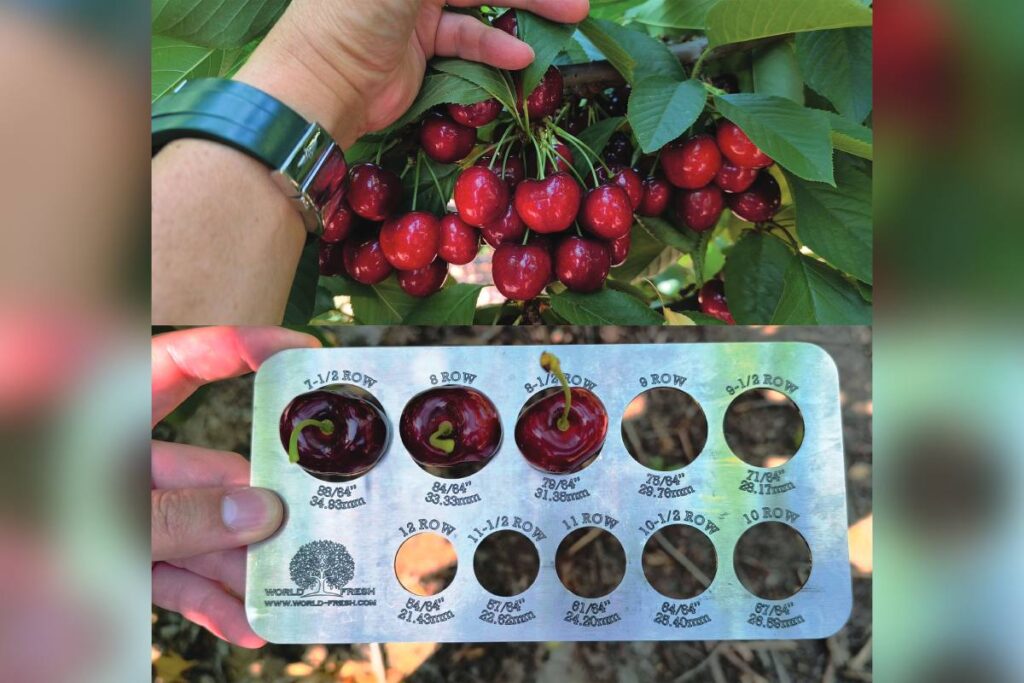
“We had a couple of spring frosts that actually worked in the crop's favor,” he told FreshFruitPortal.com. “We estimate a 70 percent crop average, and a lighter crop typically means less stress on the trees. That usually translates into larger sizes, better Brix and stronger quality.”
The expert explained that Canadian cherry orchards in the south, close to the border with Washington state, also felt the spring cold snaps that hit Northwest cherry growers in Yakima Valley in April.
According to the British Columbia Cherry Association (BCCA), trees south of the border were more advanced in their bud development when the cold temperatures hit. This made them more vulnerable to adverse weather and resulted in significantly more damage, as reflected in a second seasonal forecast 12 percent below the original industry estimate.
Meanwhile, frost damage across the Canadian border was minimal and served to thin the crop just enough to enhance quality. With weather returning to normal and rain events hitting before there was any risk of splitting or crop loss, British Columbia growers have had a smooth sail ever since.
“We're now seeing the crop run about six days ahead of normal harvest dates. We're anticipating an excellent crop and expect demand to be strong,” Chong said. “Harvest started June 8th and will run through at least August 25th. New varieties will soon push that into September.”
A very promising (if unofficial) 2026 crop estimate
And as if that were not good enough news, the executive added that, at 5 million 9-kilo cartons (roughly 45,000 metric tons), the BC 2026 crop is among the largest local producers have seen in recent years.
A caveat, though: Chong is clear about this being an unofficial estimate. The Canadian cherry industry is known for keeping its cards close to its chest, he said, and doesn’t release crop forecasts ahead of each season.
However unofficial, numbers are promising this season for growers in the Great White North, and a direct result of an ever-expanding productive area, which, according to Chong, now reaches over 7,000 planted acres.
The rough forecast also comes as the consolidation of a veritable comeback, after a severe frost event hit Okanagan and Similkameen valleys in 2024. That year, sales fell dramatically by nearly 68 percent year-on-year, reaching a record low of 7,695 tons, according to government data.
The 2025 season saw the sector bounce back in a big way, with total production more than tripling from the previous year. According to the BCCA, the bumper crop was a direct result of the rest the trees experienced after 2024, to the point where the industry struggled to access a large enough workforce to harvest all the available fruit. This year, they say, things have gone back to normal, with a more balanced campaign spread out nicely throughout the season.
The Canadian cherry industry is currently undergoing a varietal transformation, always staying true to cultivars from local developer Summerland Varieties (SVC). Demand has remained strong across all varieties, Chong said, especially for Kootenay, Skeena, Sentennial, and Staccato.
“These new varieties such as SVC's Sansia and Safirah are replacing older standards like Santina, Lapins, and Sweetheart, offering bigger MM sizes, higher Brix, firmer fruit, and strong stem-pull,” the executive added.
The next frontier for Canadian cherries
Despite being primarily an export market, with 70 to 80 percent of the crop set for international destinations (or maybe it’s precisely because of it), Chong says Canadian cherry growers are extremely secretive about their client portfolio abroad.
“[Our biggest markets are] almost our best-kept secret; our competitors are listening,” he said playfully.
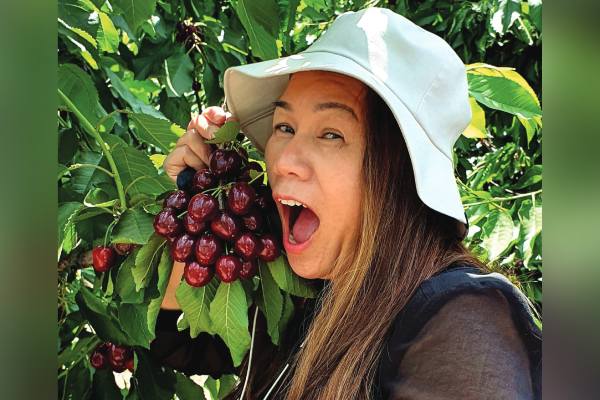
Chong says BC growers have designed their agronomic practices to comply with the most demanding markets out there, managing orchards with specialized spray programs, thinning for bigger size, and picking only when the fruit has reached strong Brix and the right color.
“All of our fruit is grown ‘Systems Approach’, which means we can export everywhere,” he adds.
That "everywhere" includes highly restrictive export destinations, such as the European Union, China, Thailand, Taiwan, Korea, and Japan.
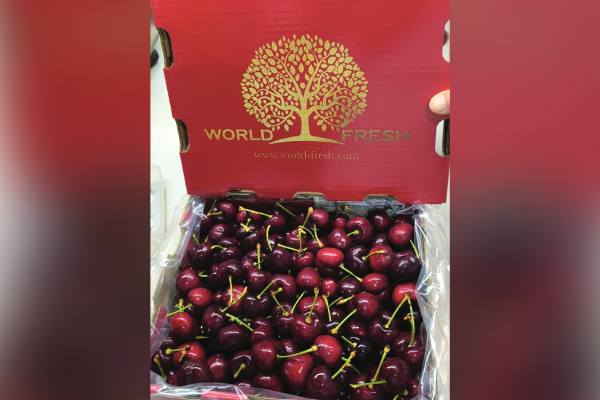
With such a premium client portfolio, one of the few things preventing Canadian cherries from taking over the world is distance. This is why the World Fresh Exports executive said the industry’s focus is on unlocking new markets not through diplomacy, but rather by further developing packaging and logistics.
“That means reducing packaging, and developing new formats that keep the cherries fresh and maintain shelf-life over long transit times to destinations as far away as Dubai and Jakarta, all while keeping the cold chain intact,” he concluded.
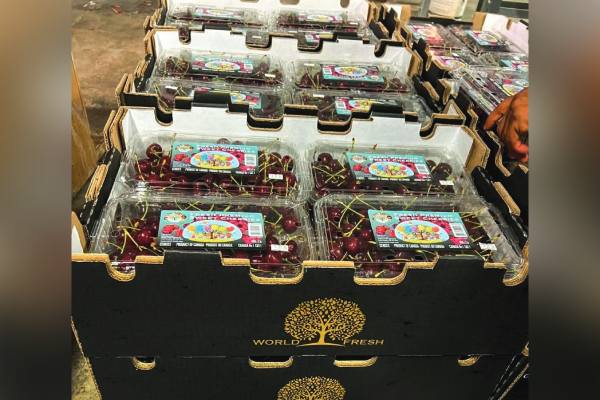
These efforts haven't stopped the BCCA from encouraging domestic consumption as well. Between July 15 and August 15, the association celebrates Canadian Cherry Month, inviting consumers to "Flip for Canadian Cherries." The slogan is a call for Canadians to shop local and flip over the cherry bags at retail to look for the "Product of Canada" information printed on the bottom.
With a crop as large as the one on the horizon for Canada in 2026, the more cherry lovers, the better.
*All images courtesy of World Fresh Exports.
Related stories
Weather abnormalities and quality issues bring California’s cherry season to an abrupt end
Northwest cherry season ramps up with high quality and good volumes