








Chilean fruit exports surpass $8 billion during the 2025-26 season




 Add Fresh Fruit Portal to Google
The Chilean fresh fruit export season ended with shipments totaling nearly $8.2 million FOB, a nearly seven percent year-on-year increase, according to industry body Frutas de Chile. Exports reached over three million metric tons between September 2025 and August 2026.


“Despite an international context marked by great uncertainty and changes in market conditions across various regions, we emphasize that fruit production remains the second-largest economic engine after copper,” said Frutas de Chile President Iván Marambio.
Avocados, kiwifruit, and berries drove growth
Among the main segments, avocados recorded the largest increase in value, up over 22 percent, followed by kiwifruit (nearly 16 percent), plums (nearly 12 percent), and blueberries (eight percent). Apples, meanwhile, remained stable, with a slight growth of 0.4 percent.
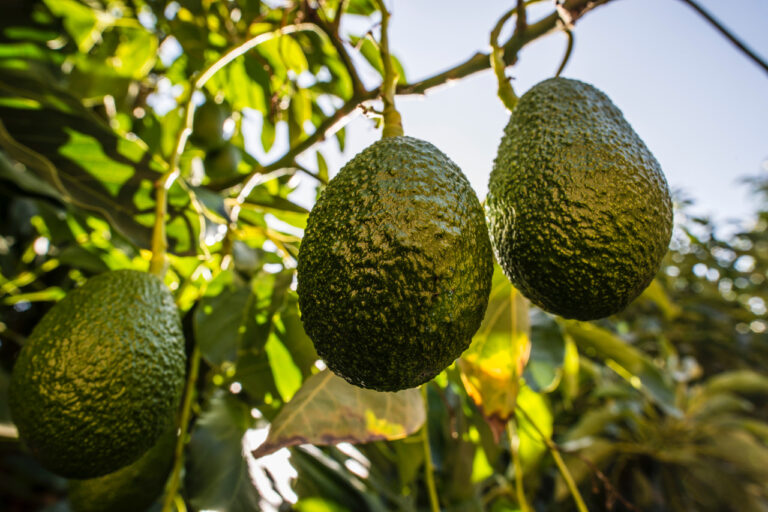
Image by Shutterstock
By volume, cherries and apples accounted for nearly 19 percent of exports each, while table grapes represented 16 percent of the total.
Despite a slight value decline of just over two percent, cherries remained the most important Chilean fruit export, totaling $2.8 billion, followed by table grapes at $917.5 million.
The United States is in the lead
The North American country remained the primary destination for Chilean fresh fruit, receiving 30 percent of exported volumes (894 thousand metric tons), up four percent year over year.
According to Marambio, the increase was observed in both species exempt from the 12.5 percent tariff and those affected by said tax.
Among the former, kiwifruit (up 49 percent) and oranges (up 22 percent) stood out, while among the categories subject to the tariff, mandarins (up 41 percent), lemons (up 31 percent), and apples (up 20 percent) were prominent.
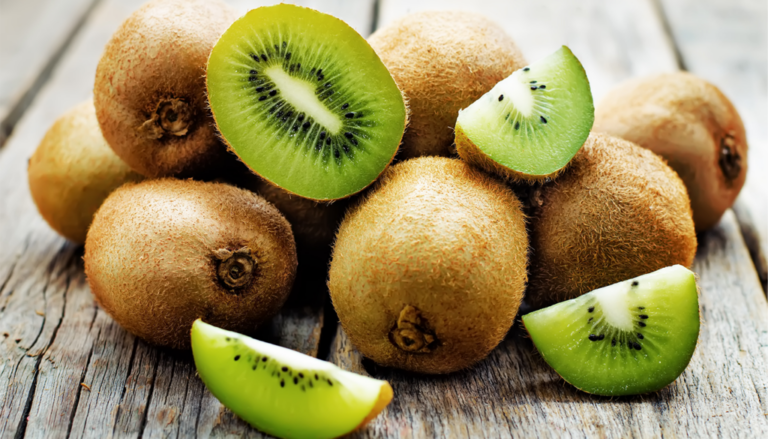
Image by Shutterstock
Asia accounts for nearly a third of shipments
Asia ranked as the second-largest market, with 29 percent of exports. China received 77 percent of shipments destined for the continent, while India took a nine percent market share. The South Asian country registered 36 percent growth, positioning itself as the second Asian destination. Chilean apple exports to India grew 73 percent, while cherry shipments were up by two percent.
Marambio emphasized the possibility of a Comprehensive Economic Partnership Agreement (CEPA) between Chile and India to expand commercial opportunities for fruit grown in the Latin American country.
“Finalizing the CEPA will provide a huge boost for the export of Chilean fresh fruits, which have already shown strong growth over these last two years, and thus continue generating economic returns and employment for the country,” he noted.
Latin America and Europe
Latin America consolidated its position as the third largest market for Chilean fruit, with a 21 percent market share and five percent growth driven by cherries (up 51 percent), nectarines (up 36 percent), and kiwifruit (up 12 percent).
Within the region, Colombia accounted for 20 percent of shipments and recorded 10 percent year-on-year growth. Meanwhile, Mexico stood out with a 41 percent increase in Chilean imports.

Image by Shutterstock
Europe received 17 percent of exports, a four percent year-on-year increase. Performance was driven by avocados (up 39 percent), blueberries (up 20 percent), and kiwifruit (up 17 percent).
Specific declines
Although the overall balance was positive, some categories recorded declines during the season. In value, table grapes fell seven percent, while cherries and pears dropped slightly by over two percent.
In volume, Asia registered a nearly 10 percent decrease, mainly due to lower shipments of table grapes, nectarines, and cherries.
Meanwhile, the Middle East closed the season with a 13 percent decline due to geopolitical tensions.
*All images are referential
Related stories
Indonesia recognizes Chile as a fruit-fly-free country, opening new opportunities for exports
Chile and the US in talks to improve export access amid latest tariffs











Subscribe to our newsletter