How the transition to HLB-resistant cultivars could reshape citrus economics
 Add Fresh Fruit Portal to Google
After nearly two decades of devastating citrus greening disease, also known as Huanglongbing (HLB), the industry has finally found a light at the end of the tunnel in pest-resistant cultivars.
However, adopting these new varieties might pose economic and practical challenges for growers, researchers at the University of Florida and the University of Wyoming say. In a 2025 study published in Agricultural Systems, the team used a dynamic bioeconomic model to examine the best time to switch from traditional cultivars to HLB-resistant ones and stop chemical-based pest management approaches.
“While one might think this would always occur as soon as the resistant cultivar is available, our model demonstrates that this is not the case,” the authors note.
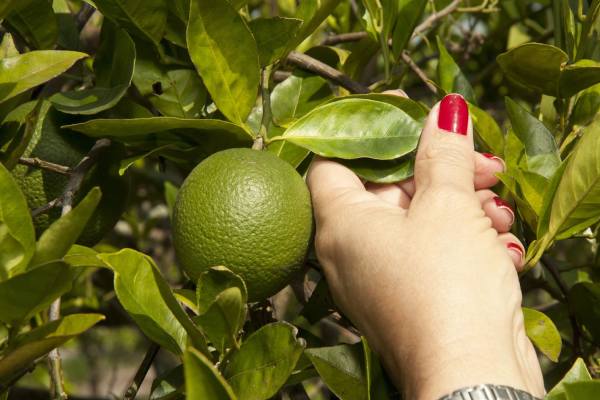
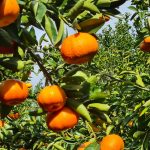
Image via USDA APHIS via Flickr
Variables such as tree age, grove density, replanting costs, and even the well-being of nearby citrus operations can drastically affect the financial feasibility of this transition—both for individual growers and the industry at large.
To resist or not to resist
The study centers on two critical decisions facing growers once resistant cultivars hit the market: when to replant existing groves and whether (and when) to discontinue costly pest management against Asian citrus psyllids (ACP), the main vector of HLB.
What makes these decisions complicated, the researchers explain, is the perennial nature of citrus trees, which don’t require removal at the end of each season and can harbor the infection for years, progressively decimating yields and fruit quality, rarely making immediate adoption a sound financial choice.
Citrus groves and other perennial crops require substantial initial investments, and newly planted trees generate zero yield for the first few years and can take over a decade to reach full maturity.
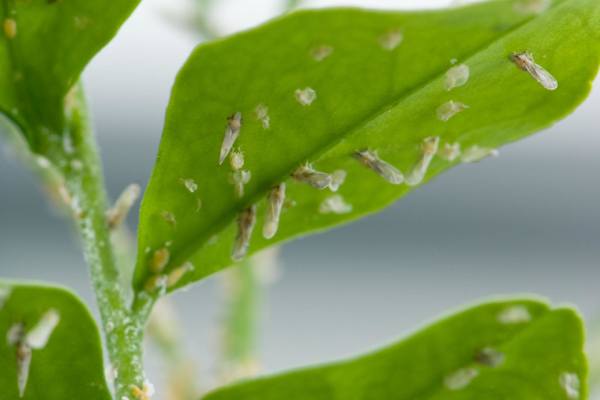
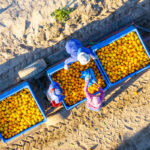
Image via USDA APHIS via Flickr
“Leaving a diseased, but still productive crop in the ground may be preferable to immediately replanting because of these yield patterns in perennial systems,” the study reads.
Through extensive simulation across multiple resistance scenarios, the researchers identified an 80 percent efficacy threshold as a crucial financial turning point. In other words, growers benefit financially by maintaining aggressive insecticide programs to safeguard crop quality and yields rather than switching to cultivars with lower HLB resistance.
“At an efficacy level of 80 percent, it is optimal for all grove ages to cease spraying before replanting with the resistant cultivar. This threshold resistance is more distinct in high-density groves,” the study says.
Reaching this benchmark drastically changes grove dynamics, as saved spraying expenses outweigh potential yield losses from residual pest pressure.
A broader decision
While halting chemical applications may be a sound individual financial move once the transition to HLB-resistant crops is complete, the study cautions against it, saying the switch should not be made in isolation.
The authors note that several types of citrus crops are affected by HLB, and although science has made strides in developing resistant cultivars for varieties such as Valencia oranges, pest-resistant alternatives for all species are unlikely to become available at the same time.
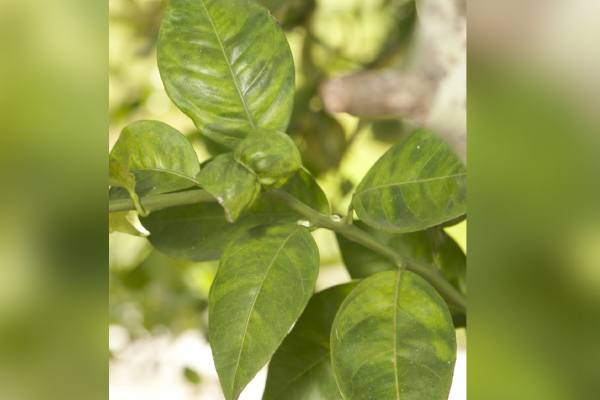
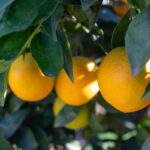
Image via USDA APHIS via Flickr
“This will create the potential for major externalities across different kinds of citrus producers,” the study emphasizes.
Citrus orchards exist within a shared regional ecosystem, so an individual grower’s decision to stop vector control directly affects surrounding groves. Without synchronized regional strategies or targeted policy intervention, uncoordinated adoption could accelerate HLB transmission and undermine broader industry stability during the transition, the authors note.
*All images courtesy of USDA APHIS via Flickr.
Related stories
A vaccine for trees: The new virus-powered weapon joining the fight against HLB
Opinion | When denial costs millions: The true HLB risk to Latin American citrus