Opinion | New apple varieties: a very complex topic
 Add Fresh Fruit Portal to Google
By Betina Ernst, agricultural engineer and President at consulting firm Top Info Marketing.
For many decades, apple cultivation relied on classic, well-proven varieties that were successfully grown in most producing regions.
However, about 30 years ago, a new concept emerged: developing new cultivars with superior organoleptic and visual characteristics, tailored to the higher expectations of the modern consumer.
Varietal improvement was no longer in the hands of states but rather in those of private companies that collect royalties on the resulting products. Clubs formed for each apple variety handled marketing and commercial management, with New Zealand pioneering this model with the development and marketing of Pink Lady.
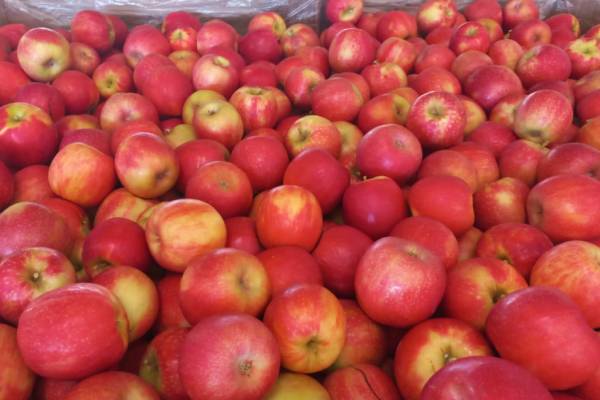
Image by Tru Cape | Archive
The initial products’ success sparked a boom in groups dedicated to developing new varieties. This trend of developing and introducing new varieties extended to other fruits as well, proving highly successful for crops such as table grapes and blueberries.
However, success was short-lived, and the market remains dominated by classic apple varieties.
Not all new apple varieties shine the same
Traditional apples, such as Red Delicious, Granny Smith, Golden Delicious, Gala, and Fuji, endure because they entail lower costs and risks than patented varieties; they are versatile, thrive in diverse regions, and enjoy strong commercial demand. They are essentially commodities, where competitiveness hinges on achieving high yields, good quality, and low costs.
Furthermore, clones currently in cultivation have improved significantly, bearing little resemblance to their earlier counterparts. Today, a modern Red Delicious clone boasts excellent color, sweetness, juiciness, and firm texture.
In contrast, patented varieties entail a range of challenges, risks, and high costs. They’re bred for specific soil and climatic conditions, yet the fast pace of the business often precludes sufficient testing across diverse environments. Generally, these apple cultivars are developed for specific markets or consumer segments, making it advisable to determine the target audience before planting.
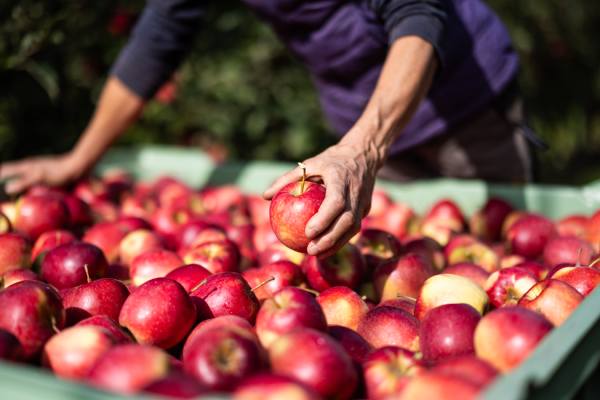
Image by VOG | Archive
Another challenge is securing a foothold in a crowded market where only a few varieties make it onto store shelves. To secure a spot, a variety needs a distinctive appearance (complemented by unique internal attributes) and a strong marketing plan driven by the variety's "club" or management group. Additionally, patents and license negotiations are more expensive, so only large companies can enter the business of patented varieties.
Breeding might be better than buying
To avoid some of these drawbacks, several countries, such as New Zealand and Chile, are developing their own varieties.
Pink Lady, also known as Cripps Pink, was the pioneer, and there is no doubt that it is the most successful. It covers the largest area among patented varieties in both Europe and the Southern Hemisphere. Among those marketed on a large scale, it commands the highest market price. For Chile, it is the second most exported variety, with stable shipment volumes up to 25 percent of exports.
The Jazz or Scifresh cultivar was highly successful in New Zealand. It was also planted in Chile, Southern Europe, and the United States. However, its expansion stalled because it does not compete as successfully as other varieties. It accounts for five percent of New Zealand's exports. In Chile, exports are declining, and it is becoming a minor variety.
Kanzi is another patented variety grown in north-central Europe. Countries such as Germany, Belgium, and the Netherlands have the largest cultivation areas of this variety, which is also marketed under Nicoter. European retail chains currently market it widely, but in Chile it’s considered a secondary variety, so its cultivation area and export volume remain limited.
Crisp (Honeycrisp, Cosmic Crisp, Ever Crisp) are the stars in the US market. They are highly sought after domestically and command excellent prices. This has driven significant expansion of planted acreage, making them the most widely planted and cultivated varieties in the United States. While they are cultivated in Europe, they are not the top choice for consumers there. In Chile, these varieties and their exports are expanding rapidly, with shipments primarily destined for the US. In 2025, they accounted for three percent of Chilean exports. For New Zealand, however, it is a minor variety, despite the attractive prices paid in the US.
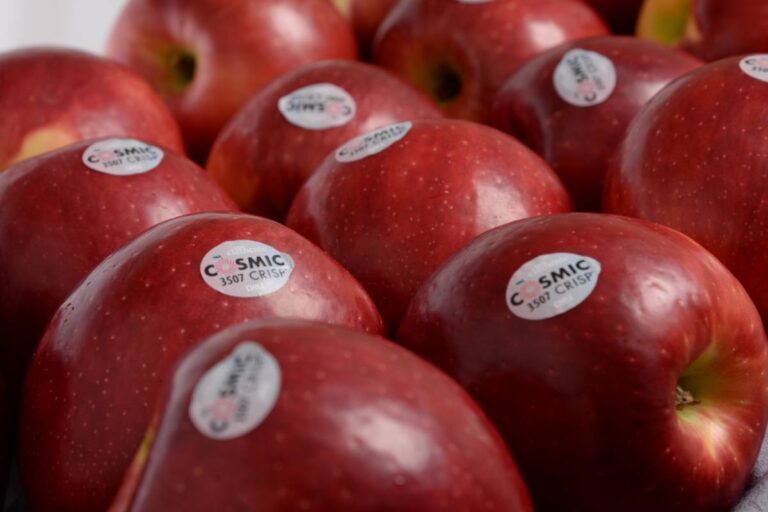
Image courtesy of PVM | Archive
Envy is a highly successful variety in New Zealand and currently ranks second in exports, accounting for twelve percent of total shipments in 2025. It is primarily shipped to Asia, where demand is high. Chile has also invested in this variety and expanded its exports, although its contribution to total shipments remains around 0.4 percent.
Pacific Group (Pacific Queen, Pacific Rose, Pacific Beauty) was developed primarily in New Zealand for the Asian market. They account for just over 10 percent of the country's exports. The most common variety is Pacific Queen, while Pacific Rose is the highest-rated thanks to its intense color and flavor.
Rockit is a mini apple developed in New Zealand and marketed as a healthy snack, leveraging its main attributes: sweetness, crisp texture, and browning resistance. It is sold pre-washed and packaged in tubes or portable containers, with marketing efforts primarily targeting children and young people. It accounts for three percent of New Zealand's exports and is notable for the very high price it commands.
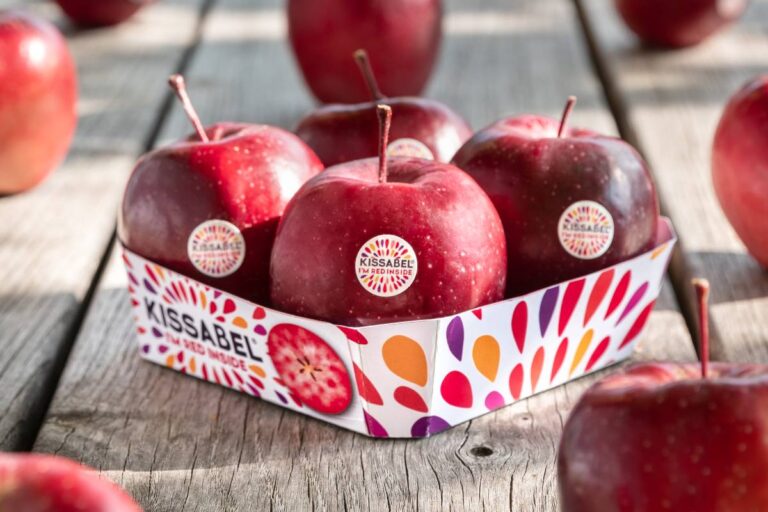
Image by IFORED | Archive
Kissabel, Redlove, and Redmoon are the red-fleshed varieties, which contain high levels of antioxidants, phenols, and anthocyanins. Thanks to this distinctive characteristic, several countries are investing in them. The initial goal is to sell them locally at higher prices than traditional apples.
This story was originally published on Top Info’s website on September 21, 2026.
*All images are referential | Main image via Shutterstock
Related stories
Cosmic Crisp: An apple by and for Washington growers
Jazz and Envy apples, two of New Zealand's most iconic apple varieties, celebrate 40th anniversary