


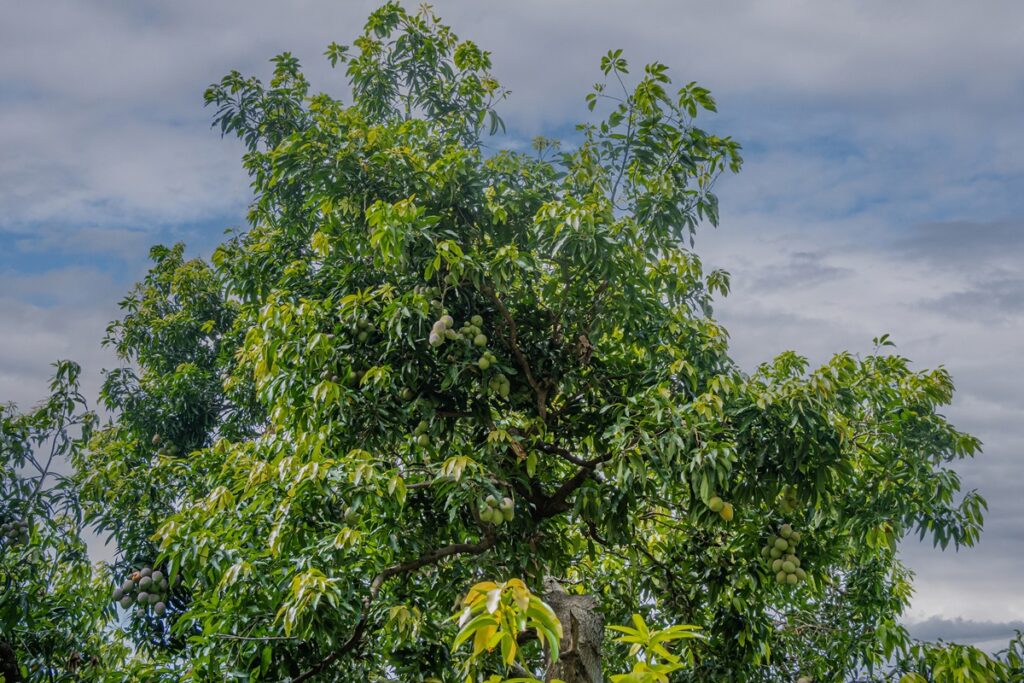
Mexican mango output faces sharp decline amid weather extremes
 Add Fresh Fruit Portal to Google
Reporting by Macarena Bravo
The Mexican mango industry is entering a new season with weather uncertainty hanging over the crop. Production fell sharply during the latest cycle, according to Daniel Radilla Ríos, president of Mexico’s National Mango Product System Committee (Conaspromango).
“Overall, production has fallen by 40 percent, but there are states where the drop has reached up to 70 percent,” Radilla told FreshFruitPortal.com. He recently participated in a forum with growers and industry representatives to assess conditions in Nayarit, which he identified as the hardest-hit area.
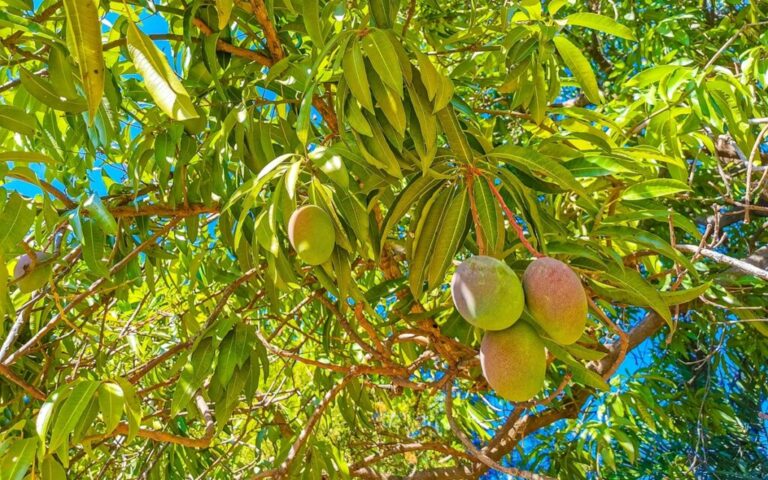
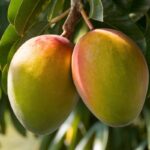
Image by Shutterstock | Archive
Mexico has just over 54,000 mango growers and about 504,000 acres dedicated to the crop across 23 states. The country's historical production averages about 2.8 million tons, based on a 2.5 million-ton average.
Weather extremes put Mexican mango growers to the test
Radilla said climate change represents the industry's primary challenge, with extreme temperatures, recurring drought, and heavy rainfall disrupting flowering and tree development.
The weather conditions have also contributed to increased pest and disease pressure, particularly issues associated with excessive moisture, he said.
Some red mango varieties, including Tommy Atkins, Kent, and Keitt, are more susceptible to certain fungal diseases under overly wet conditions, Radilla explained. He said the Ataulfo variety has shown greater adaptability under adverse conditions and strong post-harvest shelf life.
The industry is seeking stronger genetic research through a germplasm bank to identify and develop varieties that can better withstand both drought and excessive rainfall.
Despite the drop in production, Radilla said growers did not necessarily benefit from higher prices.
“Some of the mangos that could not be exported ended up concentrated in domestic and regional markets, driving prices down,” he said.
Turning the page on a difficult season
Radilla stressed that losses were so sharp that, in some cases, growers barely covered production costs, while some packing houses temporarily closed.
He suggested that mangos that fail to meet export specifications should instead enter processing channels for juice, nectar, dried fruit, and other value-added products.
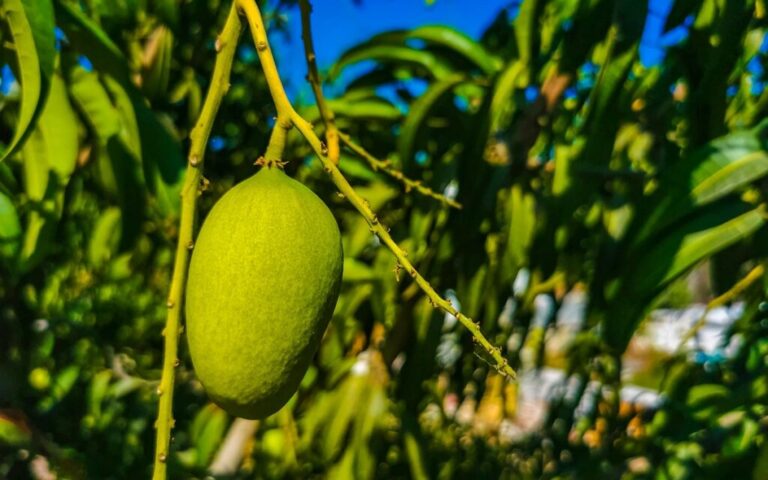
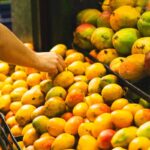
Image by Shutterstock | Archive
“By adding value to any product, you extend its shelf life, giving it more time to sell,” he said.
After the heavy losses, growers are looking to the upcoming season for signs of a recovery. Radilla said the crop currently shows more stable flowering and substantial foliage, conditions that could support higher volumes.
However, weather will remain the key variable, he warned.
Radilla said Conaspromango sees the industry's longer-term response to climate change as involving expanded research, new varieties, greater processing capacity, and closer coordination among growers, exporters, government agencies, and universities.
*Main image by Claudine Van Massenhove via Shutterstock.com.
Related stories
Mexican mango volumes to drop 27 percent this summer
Weather abnormalities are reshaping Mexican mango exports
Mexican mango industry bets on unity, quality and strengthening its position in the US market