


Asian citrus psyllid captures surged 372 percent in August

 Add Fresh Fruit Portal to Google
Brazil’s citrus groves are facing a sharp rise in pressure from a tiny but costly threat. Asian psyllid captures surged 372 percent in the country’s key citrus-growing regions during the second half of August, according to Brazilian citrus research organization Fundecitrus.
Average captures rose to 6.13 psyllids per trap in São Paulo and the Triângulo/Southwest Minas Gerais region, up from 1.3 in the previous two-week period.
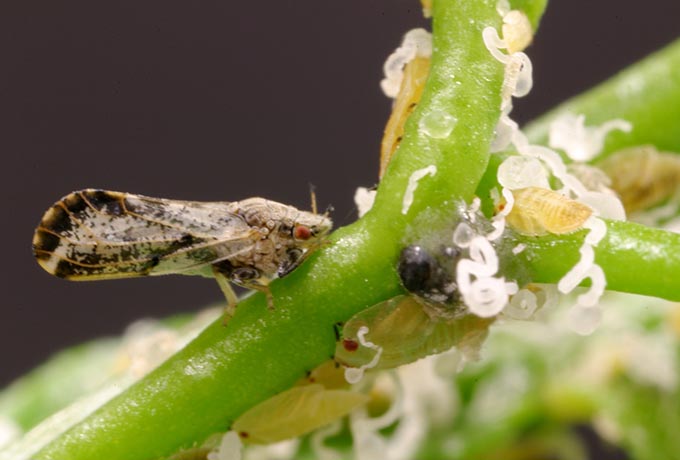
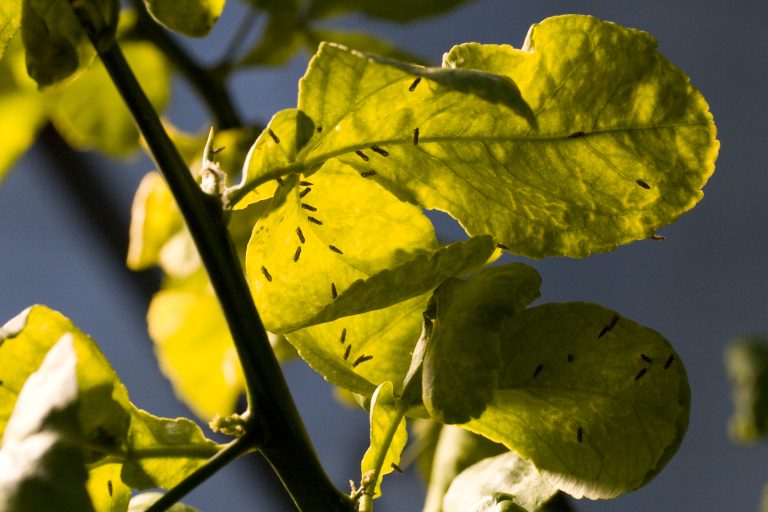
Image by UF/IFAS
New growth creates favorable conditions
The insect transmits the bacterium associated with huanglongbing (HLB), commonly known as citrus greening, by acquiring it from infected plants and spreading it to healthy trees. The disease is one of the sector’s most formidable foes, as it can completely destroy groves
Fundecitrus attributed the increase to favorable weather and abundant new shoots, which provide preferred feeding and reproduction sites.
The August peak coincided with the highest psyllid captures in 2023, with the average reaching 8.4 insects per trap. Fundecitrus noted that abundant new shoots also accompanied that year's population increase.
Despite the sharp August rise, average psyllid captures in 2026 remained below levels recorded in 2022, 2023, and 2024, according to the organization.
Brazilian growers urged to intensify monitoring
Fundecitrus urged citrus growers to monitor insect populations and orchard conditions closely and follow recommended control measures to limit psyllid populations and reduce opportunities for disease transmission.
“In the fight against greening, psyllid control must keep pace with the dynamics of new shoot growth,” said Fundecitrus Executive Director Juliano Ayres. “At this time, citrus growers should intensify monitoring and adopt recommended control measures to reduce the presence of the vector and protect the orchard.”
The warning comes as greening continues to affect Brazil’s citrus industry. In a separate 2026 survey, Fundecitrus reported that the disease affected 48.08 percent of orange trees in the São Paulo and Triângulo/Southwest Minas Gerais citrus belt, compared with 47.63 percent in 2025.
*All images courtesy of the University of Florida, IFAS | Archive
Related stories
Citrus greening disease hits its lowest spread rate in the last nine years in Brazil