


India projects growth in table grape production and exports for the 2026/27 season (June through May), driven by orchard recovery from adverse weather and the introduction of new varieties.
According to estimates by the Foreign Agricultural Service (FAS) of the US Department of Agriculture (USDA), fresh table grape production will reach 3.23 million metric tons, a three percent uptick over the revised 3.14 million metric tons for 2025/26.
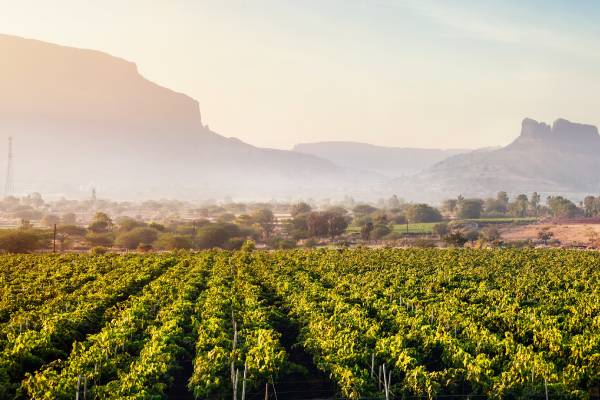
Image via Shutterstock
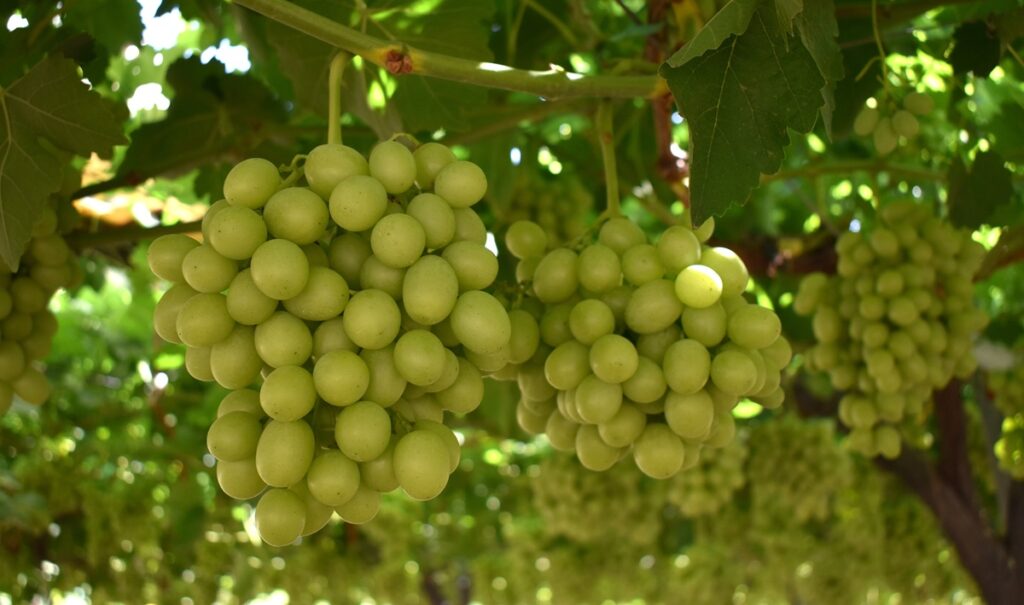
This rise will be supported by a larger planted area, driven by strong commercial results and a shift toward more climate-resilient proprietary varieties, such as Aara White, Crimson, and Red Globe.
The projection also accounts for orchard recovery in key producing regions, which faced challenges during the 2025/26 season due to an unusually prolonged monsoon and unseasonal heavy rainfall, the report highlights.
These conditions reduced yields, constrained harvest volumes, and shortened export windows, increasing fruit availability in the domestic market and driving prices up.
In major export hubs such as Nashik, international shipments decreased by nearly 10 percent, while some growers opted to market their fruit locally.
Foreign trade performance is one of the main indicators of recovery, the document notes. India projects exporting 250,000 metric tons of table grapes during 2026/27, representing a 22 percent increase compared to the 204,000 metric tons registered in the previous season.
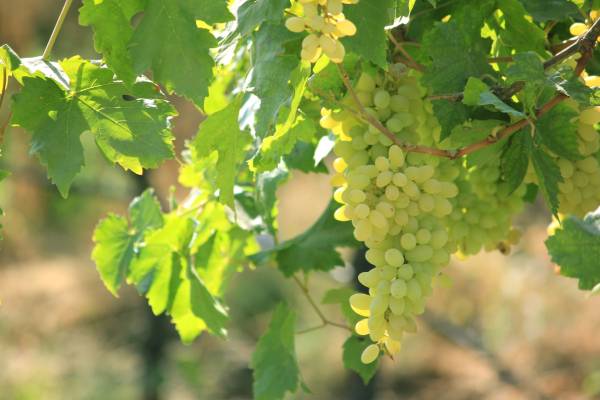
Image via Shutterstock
This estimate assumes producing regions successfully recover from adverse weather conditions and logistical challenges. The report also says the transition to premium varieties will be a determining factor, as they offer higher yields and better resistance to unseasonal rainfall.
During 2025/26, the Netherlands accounted for approximately 40 percent of Indian table grape shipments, followed by Bangladesh with 24 percent.
On the import side, volumes are expected to reach 35,000 metric tons in 2026/27, continuing a growth trend supported by strong domestic demand. China remains India's main supplier of fresh table grapes, accounting for 85 percent of imported volume, followed by Afghanistan (10 percent) and Chile (four percent).
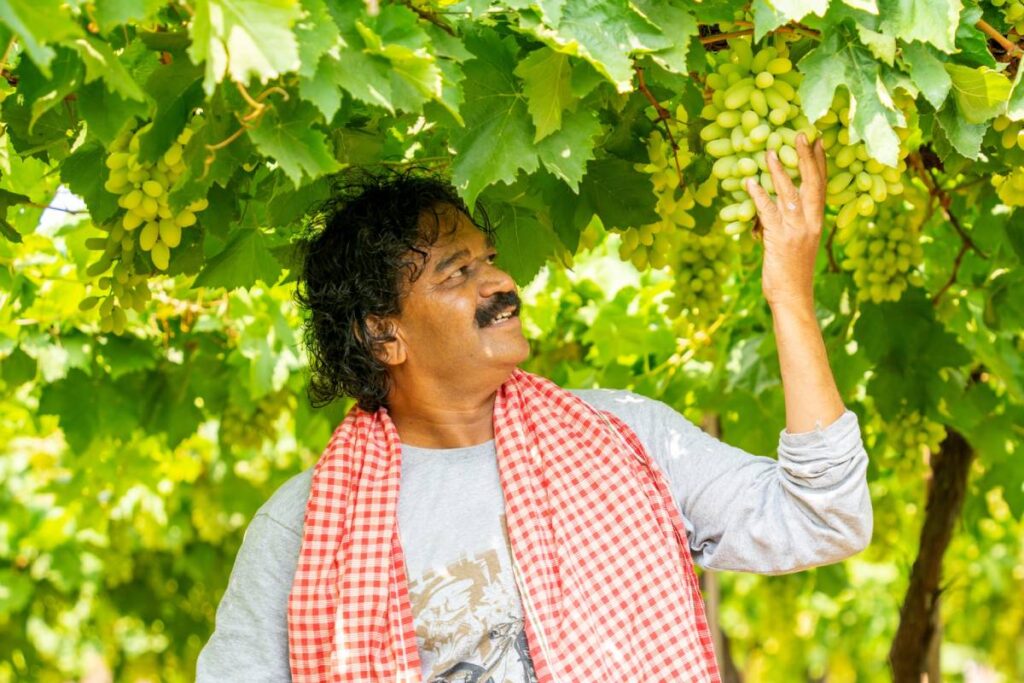
Table grape production in India is heavily concentrated in Maharashtra, particularly in the Nashik region, which accounts for nearly 70 percent of the national volume and is recognized as one of the country's primary viticultural hubs.
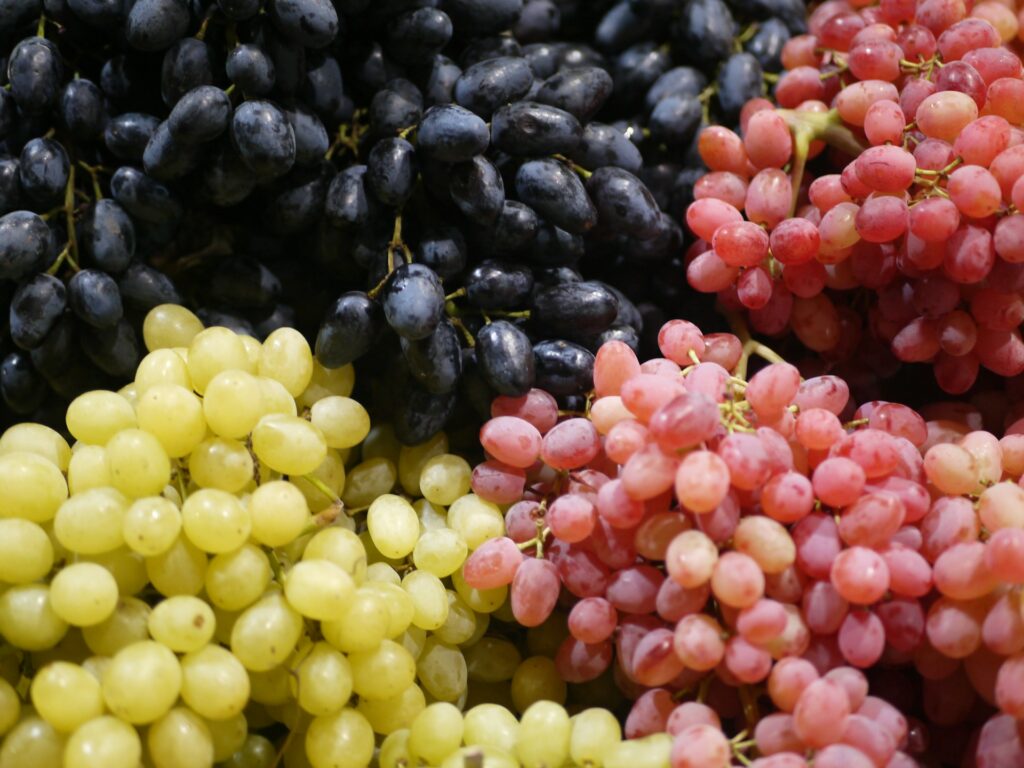
In terms of varieties, Thompson Seedless (Sultana) dominates cultivated acreage, accounting for 55 percent. Other notable varieties include Sonaka, Tas-A-Ganesh, Manik Chaman, Flame, Red Globe, and Crimson.
Regarding utilization, 78 percent of production is marketed as fresh table grapes, while 17 percent is processed into raisins. Only two percent goes to wine production, with the remainder used for juices.
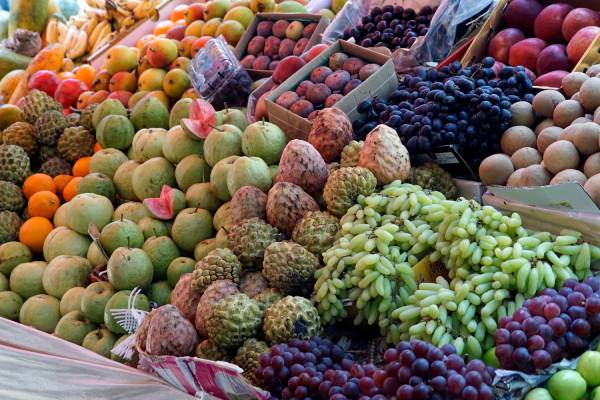
Image via Shutterstock
Table grape consumption in India is projected at 2.69 million metric tons for 2026/27, a three percent increase over the previous estimate, driven by greater availability of both domestic and imported fruit.
Despite positive prospects, the sector faces challenges related to water scarcity, climate variability, and disease pressure. Additionally, fragmented farmlandholdings hinder the adoption of advanced technologies.
In this context, strengthening productive infrastructure, cold chains, traceability, grower professionalization, and the development of new varieties will be key factors in improving India's competitiveness in international markets.
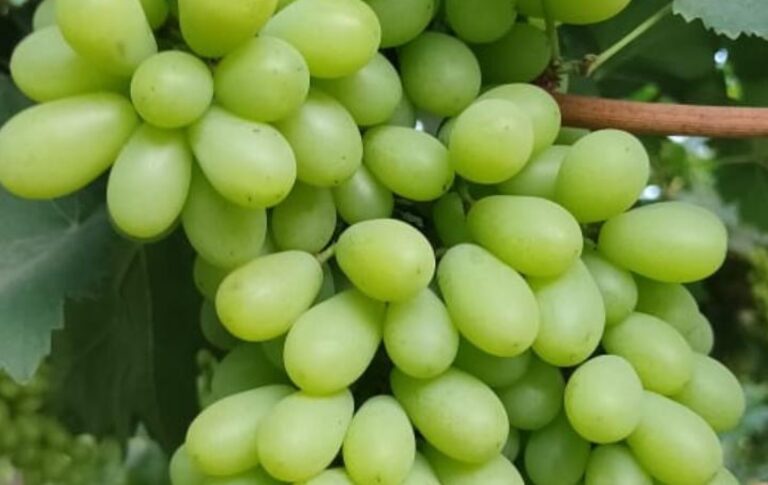
Image via Shutterstock
Regarding trade policy, fresh table grape imports are subject to a basic customs duty of 30 percent and require a phytosanitary certificate issued by the relevant authorities.
*All images referential via Shutterstock.
Related stories
The Indian grape market heads for 2035: Modernization, climate resilience, and export growth
Unprecedented monsoon forces Indian table grape industry into rapid varietal revolution