


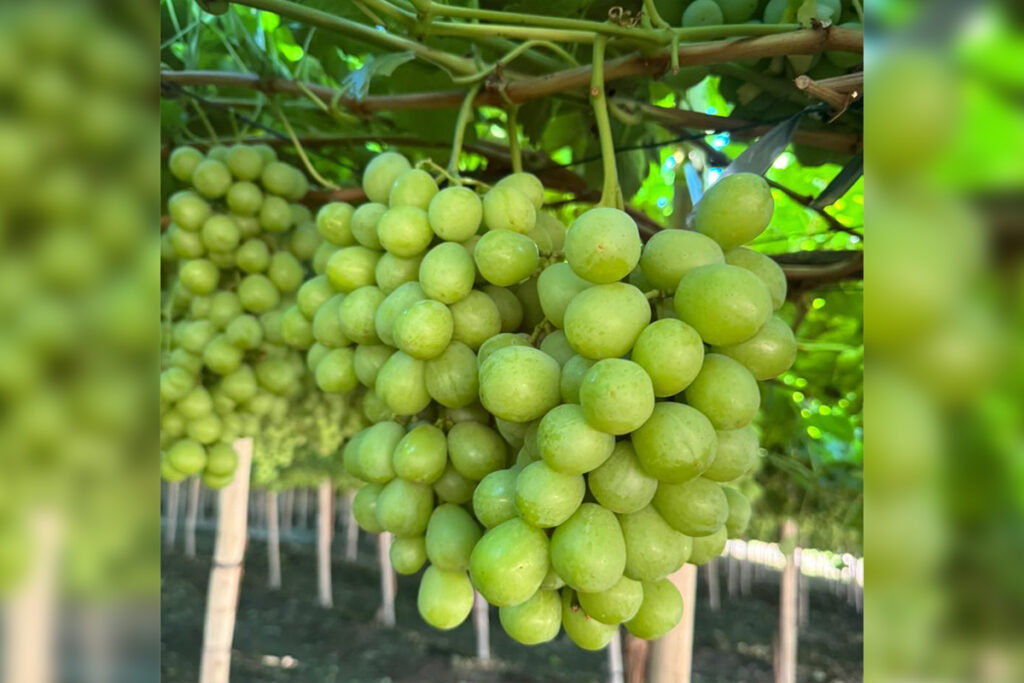
Despite improvements in product and prices, the US market presents challenges for the industry due to a supply overlap with Peru.
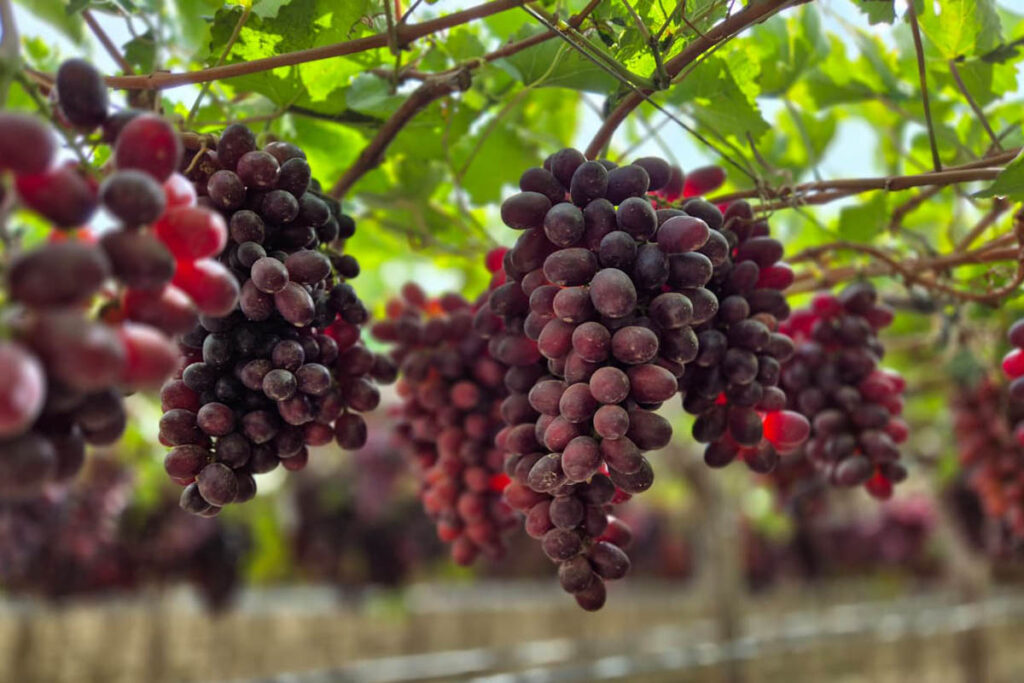
The additional supply ranks the fruit giant among the largest importers of Peruvian table grapes in North America.
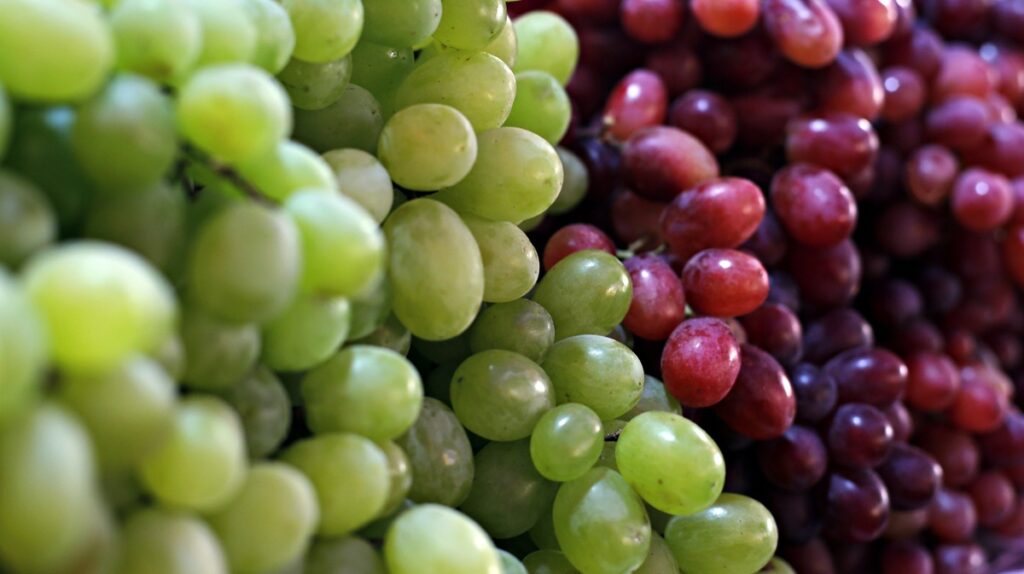
From tariff pressure to port congestion, exporters faced a more complex playing field this year. The industry’s response signals a tighter focus on quality, timing, and collaboration.
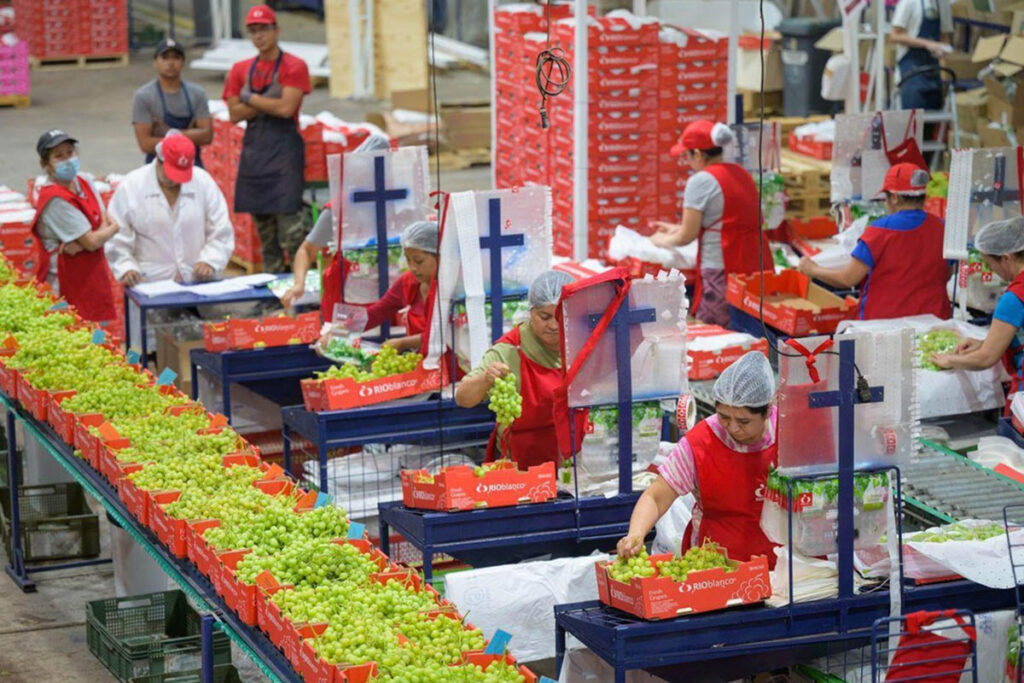
Slow and steady, the company started the 2025-26 season with low volumes destined for high-paying US customers. But the producer is also being cautious, aiming for a diversified market strategy for the upcoming years.
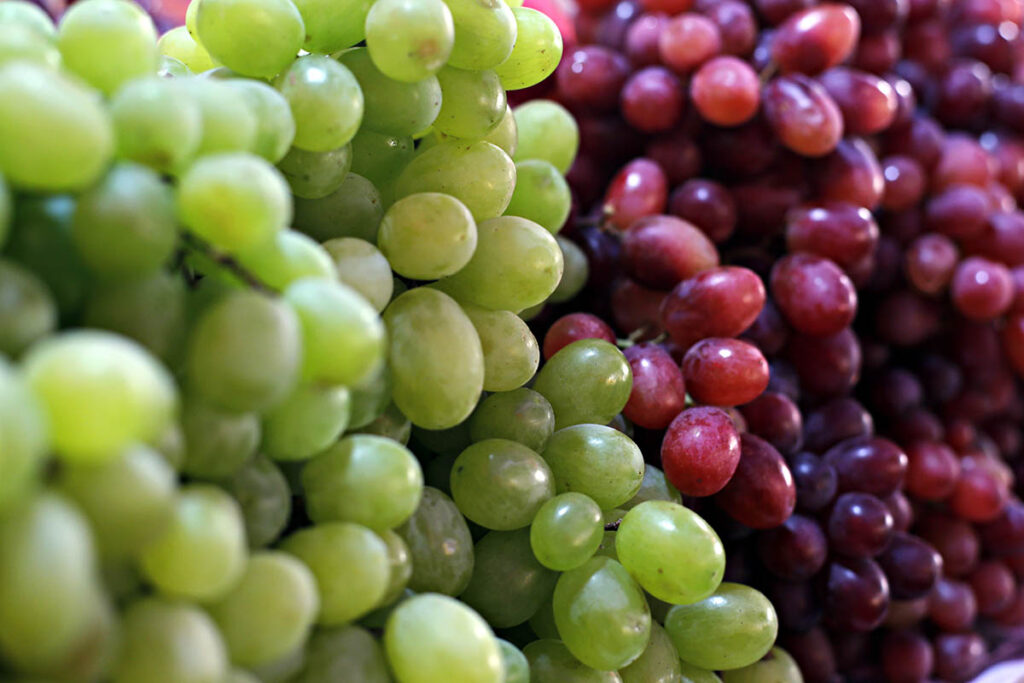
The Asian giant’s surge in production and exports is mainly driven by technological innovation, including rain shelters and new year-round varieties.
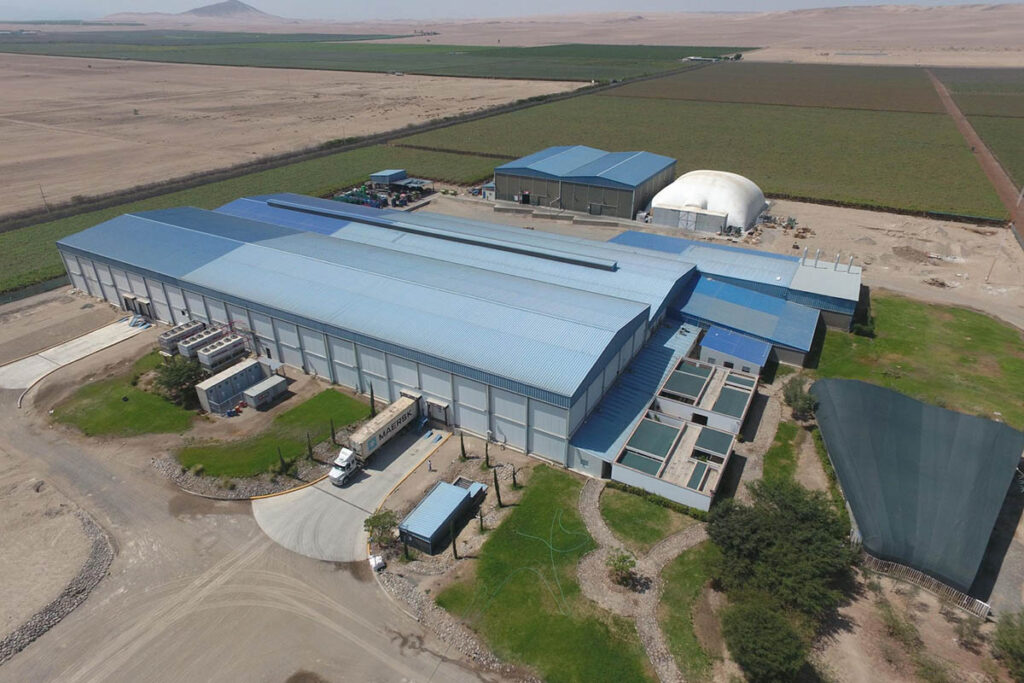
The company is now has 100 percent ownership of the Peruvian producer, including its nearly 1,400 acres of grape farms, plus two modern packhouses in Ica.
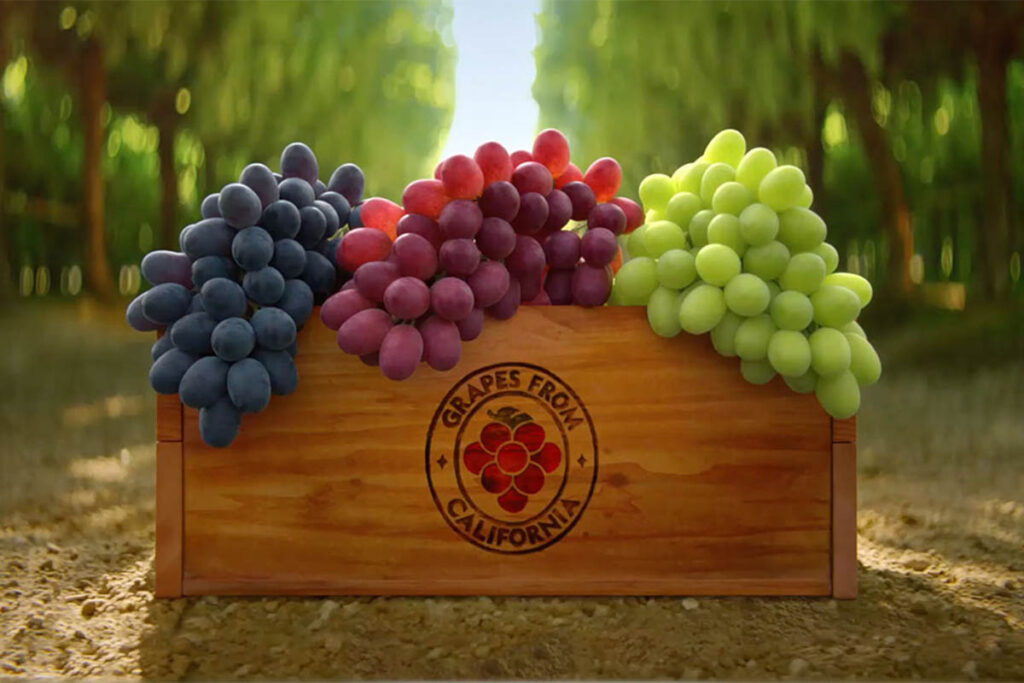
Between weeks 46 and 48, the USDA reported a dramatic fall in cold storage stock compared to last year. A green variety shortage might be on the horizon, but the industry calls for calm as late cultivars are still at the packing house.
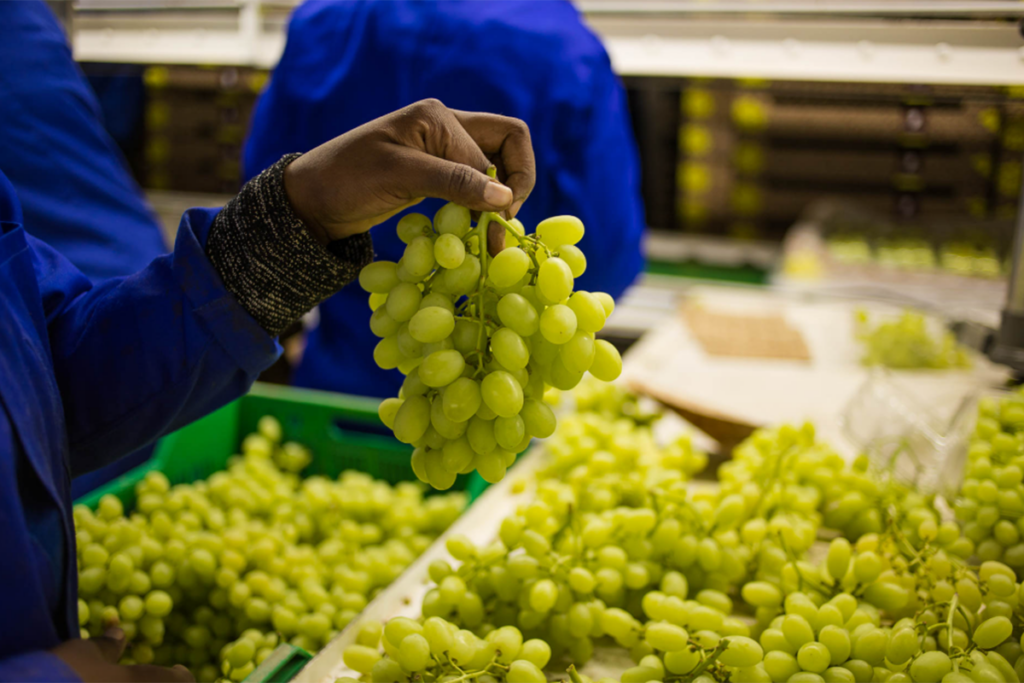
The South African Table Grape Industry reports a slower export pace, driven by increased inspections, adverse weather in Cape Town, and strong commercial rivals in the Southern Hemisphere.
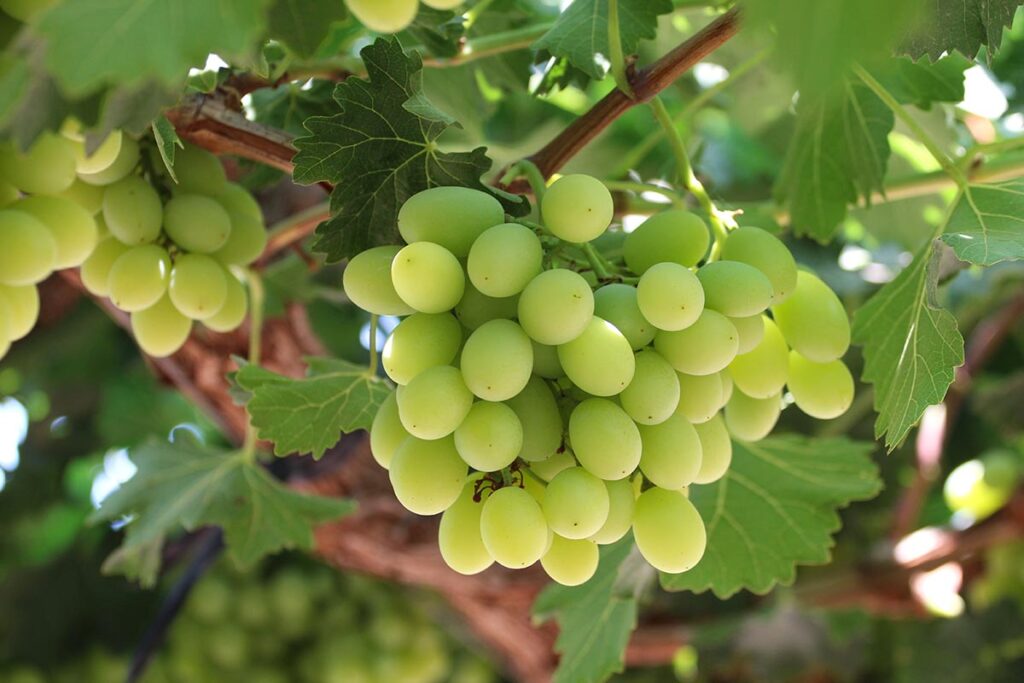
The Chilean Table Grape Committee is projecting a total volume of over 63,6 million 18-pound boxes, representing a slight 6.4 percent decrease compared to the previous year.
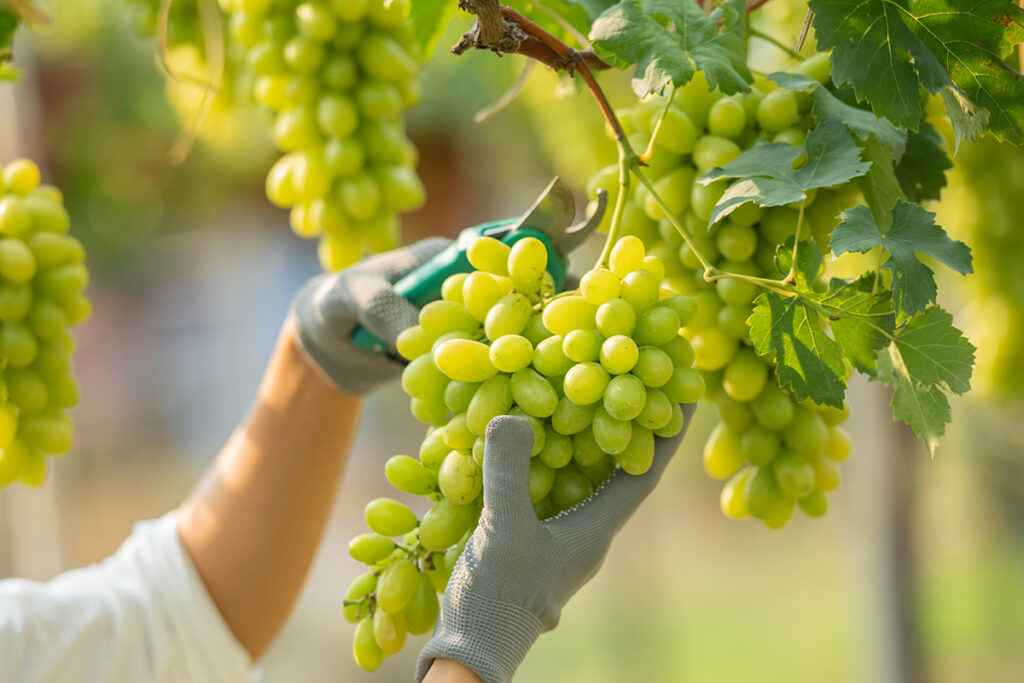
The filing opens a 90-day period during which the agency will defend its 2024 decision to unlock the protocol for exporters in the Latin American country.