




Writing and reporting by Macarena Bravo | Lee esta noticia en Español.
Heavy, localized rainfall in key Chilean fruit regions has disrupted harvesting and raised quality concerns for late-season table grapes and other crops. Potential implications for the United States import programs that rely on end-of-season volume are yet to be assessed.
Growers reported up to 1.4 inches of rain in parts of the O’Higgins Region during active harvest windows, creating uneven but significant impacts across orchards. The timing coincides with a period when Chilean exporters typically push volume to international markets.

Víctor Catán, president of the National Federation of Fruit Producers (Fedefruta), told FreshFruitPortal.com that rainfall varied widely across production areas.
“We have areas where up to 36 millimeters of rain fell, such as San Vicente, while in other municipalities, virtually no precipitation was recorded. This creates different impacts, but equally significant ones,” he noted.
Catán said rainfall in the range of about 1.2 to 1.4 inches can directly affect fruit quality. “The fruit gets wet both externally and internally, which increases the risk of disease and shortens its shelf life. Even when preventive or curative measures are applied, there is always some degree of damage,” he stated.
Industry sources say the impact on late table grapes will depend on variety and harvest timing, but the rains have already forced operational adjustments in vineyards and packinghouses.
“Some varieties are more resistant than others. The recommendation is not to prolong storage and to move quickly with packing and marketing,” Catán said.
Rafael Rodríguez, president of the Chilean grape research commission Uvanova, said rainfall affected roughly half of the Colchagua province in O’Higgins, including key production zones such as San Vicente and areas near Rapel. However, he noted a more limited impact in the Metropolitan Region due to the smaller area under cultivation.
Rodríguez said the industry has not yet quantified losses, as large volumes remained unharvested at the time. “It is not yet clear whether hundreds of thousands or millions of boxes will be lost,” he said.
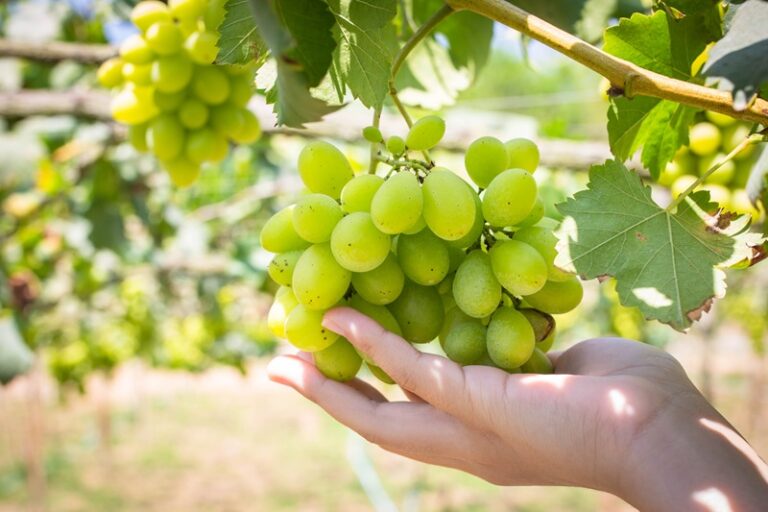
He added that splitting and rot present the main risks following rainfall events, often forcing growers to pause harvest and reassess fruit condition. “In many cases, this means discarding volumes that do not meet export standards,” Rodríguez noted.
Among the most affected varieties are traditional late-season grapes such as Crimson, as well as others still in harvest. Rodríguez added that “in light of this situation, producers have stepped up the application of fungicides and ventilation management in the orchards, seeking to contain the onset of diseases.”
Beyond grapes, Catán highlighted impacts on other crops, including dried plums, where protective coverings proved insufficient in heavier-than-forecast rainfall, and apples, where cracking has appeared in some southern growing areas, potentially reducing exportable supply.
Ignacio Caballero, executive director of the Table Grape Committee of Frutas de Chile, said the organization is collecting data and expects clearer estimates soon. “By March 23, we should have a more realistic and reliable figure.”
Caballero described the weather event as “very heavy and highly localized,” with some farms sustaining significant damage while others saw little impact.
Despite the disruption, he said harvest activity continues across much of the country. “The industry is not at a standstill,” he said.
The sector remains cautious as another weather system approaches, though forecasts have moderated. “We are evaluating strategies on a week-by-week basis, because any rain during this period can cause additional complications,” said Caballero.
Catán emphasized the importance of orchard management in limiting losses, particularly for the more severely affected late varieties. “It is key to maintain ventilation in the vineyards and avoid conditions that favor disease. Prevention will always be more effective than corrective actions.”
Rodríguez added that exporters are maintaining quality standards despite the challenges. “What doesn’t meet the conditions won’t be packed. There are lessons learned from previous years.”
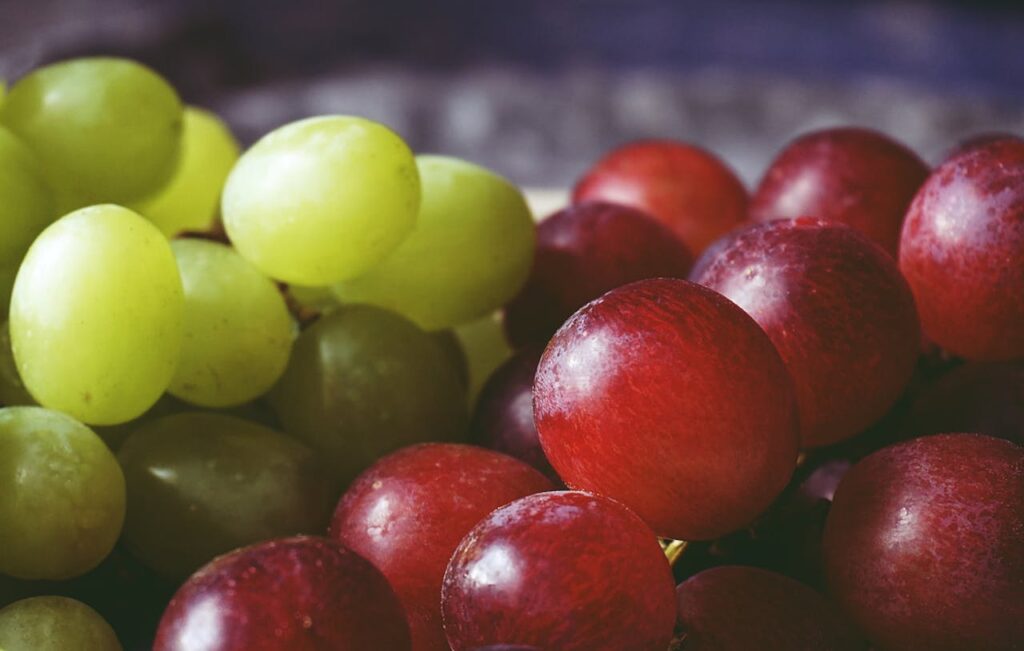
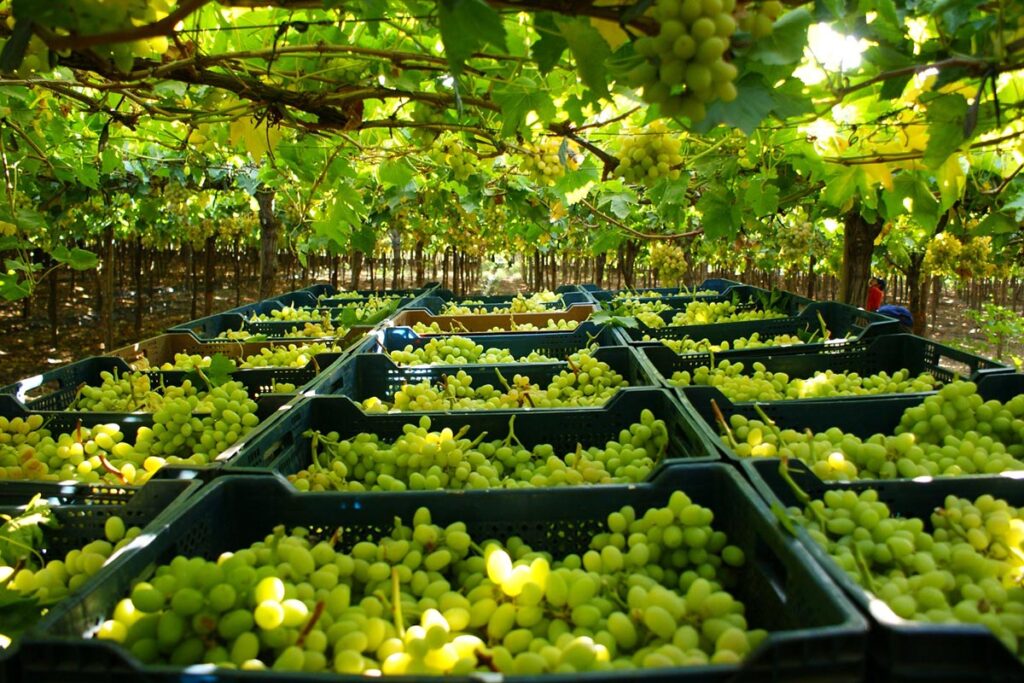
*All images are referential.
Related stories
Chile trims US grape exports as supply outpaces demand
Chilean researchers want to grow table grapes with less water while sustaining exports
California grapes fall short of 100-million box target after rainy finish