Lesser-known kiwiberry shows potential in preventing early cancer development
 Add Fresh Fruit Portal to Google
Researchers at Okayama University in Japan are investigating how Sarunashi, a small, smooth-skinned kiwiberry from East Asia, may interfere with the early-stage development of lung and colorectal cancer.
The findings, published in the journal Genes and Environment in December 2022, with a follow-up study on a tea preparation from the plant's leaves and twigs published in the same journal in December 2025, found that juice from the fruit reduced lung tumor formation in mice exposed to NNK, a carcinogen directly linked to tobacco smoke.
Sarunashi juice effects on tumors and cancer-driving proteins
Lung cancer is the leading cause of cancer-related death in the United States and worldwide, with smoking as the main risk factor. The disease’s high mortality rate is why intervention in the early developmental stages, that is, before tumors form, is a central focus of cancer prevention research.
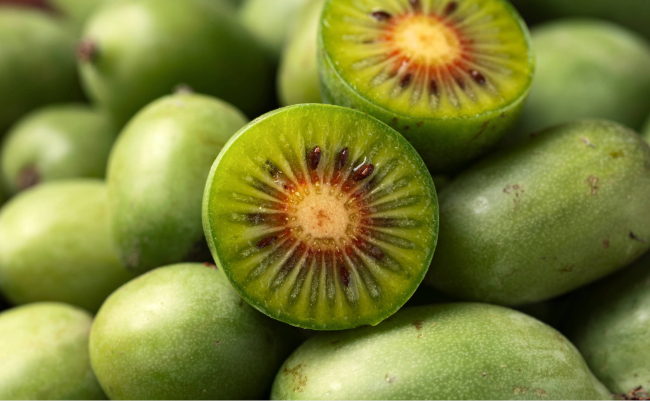
And findings, though preliminary, are encouraging. In mouse trials, Sarunashi juice reduced both the incidence and number of lung tumor nodules. The beverage was also found to suppress Akt, a protein central to tumor growth, suggesting the fruit may target cancer at two stages: initial genetic damage and the signaling that promotes tumor expansion.
Isoquercetin, a known compound in the Sarunashi, showed protective effects against DNA damage linked to cancer development, though the team behind the studies cautioned it may not be responsible for all of the fruit’s cancer-related benefits, and more research is needed.
The team also tested the juice against MNNG, a potent DNA-altering compound widely used in cancer research. The juice reduced genetic damage in normal mice, and its protective effect was absent in animals lacking key DNA repair enzymes. This suggests that the juice may enhance the cell’s repair processes, helping correct genetic mutations after they occur.
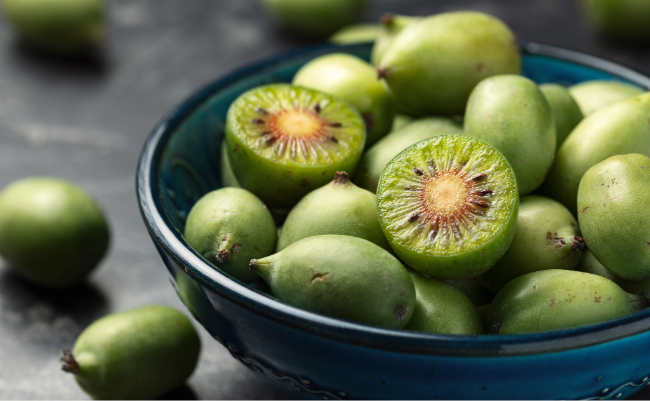
Study co-author and professor in the Department of Allergy and Respiratory Medicine at Okayama University, Katsuyuki Kiura, says the fruit targets several stages of cancer development: anti-mutagenesis, stimulation of DNA repair, and suppression of growth signaling, making it a more complex candidate than single-compound treatments.
Leaf tea casts a wider protective net
In a follow-up study published in December 2025, the team tested a tea brewed from the plant's leaves and twigs. The research found similar antimutagenic activity in the Ames test, a standard laboratory screen for mutation-causing substances.
The tea packed less punch than the juice, likely due to fewer active compounds, but the shared protective traits suggest both might tap into similar cancer-fighting routes.
Early colorectal findings add to the picture
The tea study also looked into the potential benefits for colorectal cancer patients.
When mice were exposed to DMH, a chemical that sparks early colon changes, Sarunashi tea reduced telltale signs of looming colorectal tumors. Tea-treated mice had just 60.5 percent as many warning lesions as their untreated peers, and even the smallest trouble spots shrank.
No colon tumors emerged during the study, but the sharp drop in early warning signs suggests that Sarunashi’s protective reach could extend far beyond the lungs.
Researchers note that clinical trials in humans are necessary before drawing conclusions about the fruit's effects.
*All images are referential
Related stories:
Dark sweet cherries may slow aggressive breast cancer metastasis