New Jersey to be the first US state to ban surveillance pricing at grocery stores
 Add Fresh Fruit Portal to Google
In a major win for American consumers in the midst of an affordability crisis, the state legislature of New Jersey passed a bill that will effectively ban surveillance pricing at the grocery store.
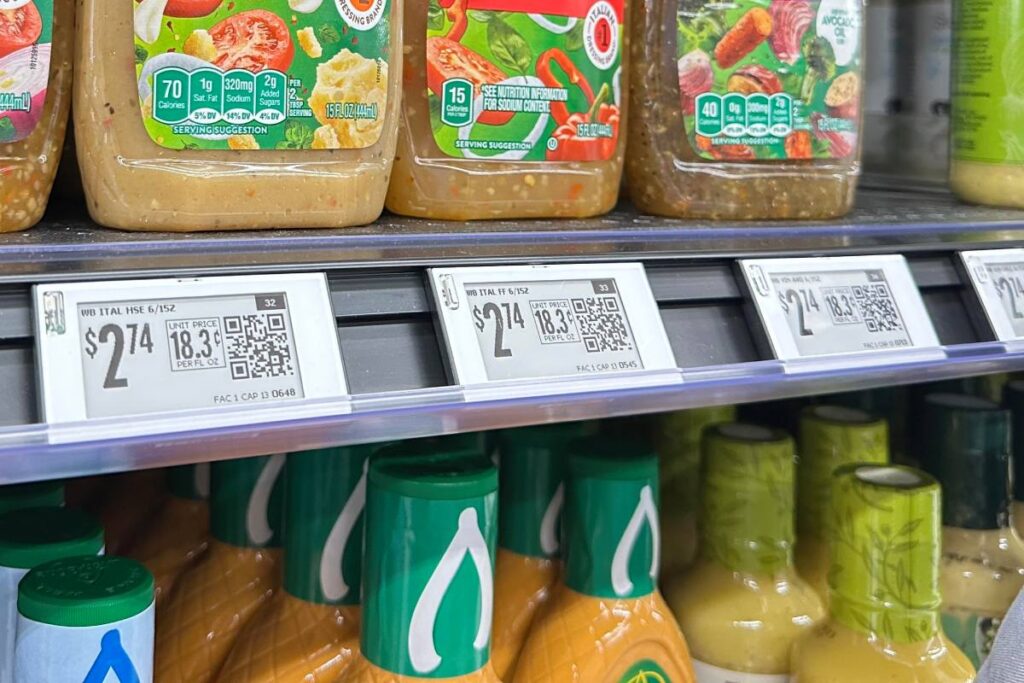
The Fair Price Protection Act, championed by lawmakers across the aisle and supported by NJ Governor Mikie Sherrill, will additionally halt the rollout of electronic shelf labels (ESLs), which stores across the country are using to change prices in real time.
“Electronic shelf labels are a tool for price gouging Americans, full stop—and tech companies market it as such repeatedly. The ESL industry sells the prospect of higher prices and job losses as positives,” said Ademola Oyefeso, Vice President of the United Food and Commercial Workers (UFCW) International Union, which championed the bill.
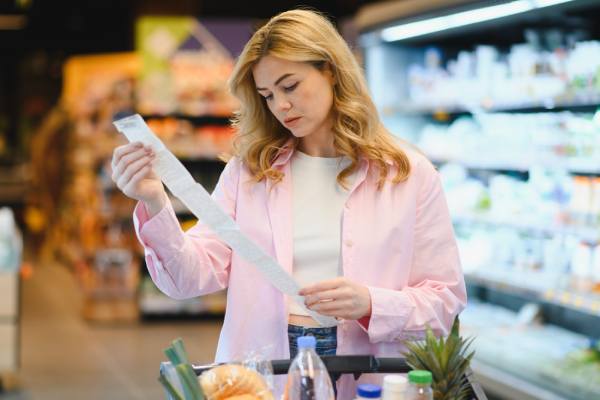
In a Facebook post, Senator Joe Cryan (D-20), one of the lawmakers behind the Fair Price Protection Act, explained that, although not widespread, surveillance pricing is a tactic that uses personal data and algorithms to determine the price an individual is likely to pay.
“This legislation ensures that grocery retailers cannot use those algorithms to set individualized prices. Instead, everyone will see the same listed price for the same item, while retailers can continue to offer discounts, coupons, and loyalty program savings,” he wrote.
A long-awaited anti-surveillance pricing bill
As the cost of living keeps wreaking havoc in the budgets of at least half of Americans, according to a recent poll by news outlet The Guardian, New Jerseyans will soon welcome the Fair Price Protection Act when Gov. Sherrill signs it into law in the upcoming weeks.
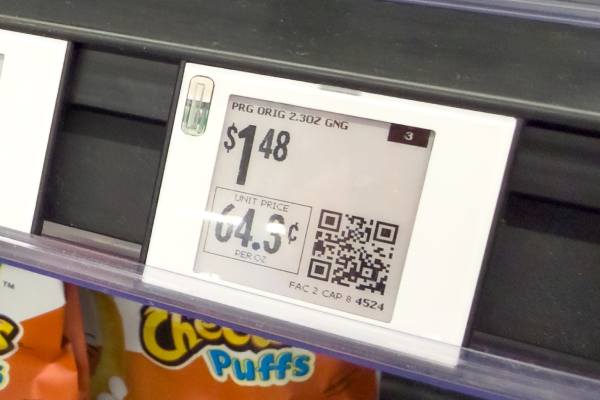
Surveillance pricing and the use of ESLs have been on the minds of Garden State voters. An April 2026 GBAO survey by the UFCW showed that 61 percent of participants think digital price tags would lead to an increase in the amount they pay for groceries, while 67 percent say surveillance pricing will do the same. The answers, the pollster said, don’t vary significantly across party lines.
In conversation with The Packer, Oyefeso explained that the bill’s impact will primarily be felt in the produce aisle.
“When people can’t afford it, they leave it on the shelf, right? And the first thing people always leave on the shelf are vegetables and fruit,” the labor leader told the industry news outlet.
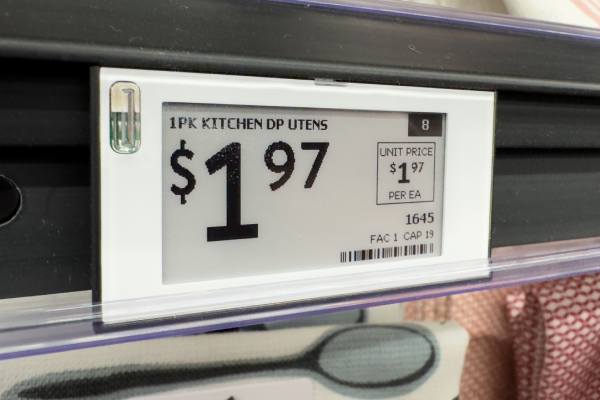
According to the UFCW, New Jersey is one of 12 states that have joined its “Affordable Groceries and Good Jobs Campaign,” which seeks to push bills banning “the predatory practice of surveillance pricing, target the encroachment of AI-driven technology in grocery stores, and deliver fair prices for families while preserving good, union grocery jobs” across the country.
The Packer reports the labor organization is now focusing on advancing a similar ban in Illinois in the fall.
*All images are referential.
Related stories
US fresh produce prices jump 1.7 percent in April amid rising energy costs
Inflation squeezes the produce aisle: 33 percent of US shoppers cut back on fruits and veggies
Energy shock waves to trigger new US food inflation cycle, says Rabobank