Mexican strawberry imports could face antidumping margins of over 5 percent

 Add Fresh Fruit Portal to Google
Writing and reporting by Macarena Bravo and Carla Espinoza Gutiérrez. | Lee esta noticia en español
Mexican strawberry exporters are facing preliminary cash deposit requirements of up to 5.28 percent in the United States following an ongoing antidumping investigation by federal trade authorities.
The conflict stems from the winter supply window, when a drop in the leading California strawberry production allows Florida fruit to compete in the domestic market.
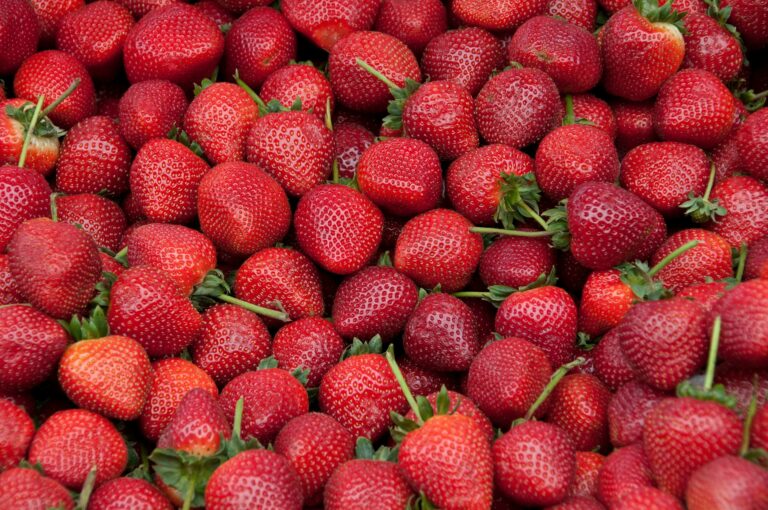
Sunshine State growers allege that Mexican imports arrive during this crucial period at prices well below market level. This, they argue, has allowed the competing sector to expand significantly, generating over $200 million in revenue and causing substantial economic harm to American growers.
In response, in December 2025, the Strawberry Growers for Fair Trade (SGFT) coalition filed a formal petition with the US International Trade Commission (ITC), which issued a preliminary ruling in February, finding reasonable arguments that Mexican fruit was competing unfairly.
In mid-August, the US Department of Commerce (DOC) issued a second ruling establishing preliminary dumping margins for individual Mexican exporters. While general industry margins reached 18.32 percent in February, the updated DOC rates assign a 5.28 percent margin to Driscoll’s, a 3.37 percent margin to Mainland Farms, and a 4.83 percent margin to all other strawberry trading companies.
According to DOC data, the volume of Mexican strawberries imported into the US between November 2024 and March 2025 totaled approximately 442.2 million pounds, valued at more than $933 million.
Mexican strawberry production under scrutiny
Daniel B. Pickard, attorney at Buchanan Ingersoll & Rooney and lead legal counsel to SGFT, said the preliminary determination will now trigger a verification process led by the DOC.
"Essentially, what the DOC is going to do now is send analysts to Mexico to examine the accounting of Driscoll’s and Mainland, to verify the information submitted by them," Pickard told FreshFruitPortal.com.
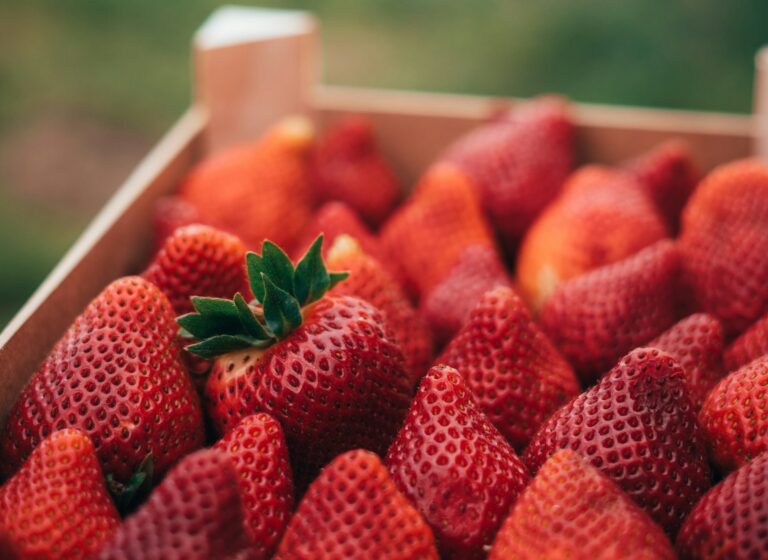
The counselor emphasized that the verification visits will allow both sides to submit additional arguments before the final resolution, which is scheduled for January 4, 2027. He noted that final calculations could change based on verified data.
"I think it could increase significantly above the initial five percent rate; we could definitely enter double-digit territory," Pickard said.
On the other side of the border, Juan José Flores, General Director of the National Association of Berry Exporters of Mexico (Aneberries), stressed that the preliminary margins do not represent a final antidumping duty or import quota.
"It is a deposit or a guarantee bond while the investigation continues," Flores explained, noting that these provisional funds may be adjusted or refunded depending on the final ruling.
Aneberries and the Agricultural Council of Baja California (CABC) have advised Mexican exporters to coordinate closely with US customs brokers and importers.
In Pickard’s view, there are two possible outcomes.
“The first is that the case goes to a final vote before the ITC, which could result in an antidumping order for a renewable five-year period,” he explained. “The second option would be for the investigation to be suspended through a mechanism in which producers enter a commitment to voluntarily refrain from importing fruit into the US below market price. This is known as a ‘Temporary Suspension Agreement’ (TSA).”
Consumer impact: Will retail prices increase?
Policies such as the TSAs have already sparked debate over products like tomatoes, where Mexican and Florida producers clashed in a situation reminiscent of the current winter strawberry controversy.
In that case, after the agreement expired in July of last year and anti-dumping duties were imposed on Mexican imports, retail tomato prices in the US rose by between 23 percent and 40 percent annually, according to the Bureau of Labor Statistics’ Consumer Price Index.

However, Pickard cautioned that, while the potential ruling is clearly a victory for the domestic sector, it should not be portrayed as “bad news for consumers.”
“The US market has the capacity to continue expanding its production areas in Florida. We are not going to see a shortage of strawberries or anything that will cause an explosive increase in consumer prices,” he explained.
Although the Florida strawberry industry is currently celebrating the DOC’s latest determination, Pickard emphasized that the final outcome will still allow Mexican farmers to maintain their access to the US market.
“There is plenty of capacity in the United States for strawberries, and plenty of room for increasing land to grow strawberries in Florida,” he noted. “I don't expect a shortage of strawberries or anything that would lead to a large price spike for consumers. What it means is that Florida growers can start selling at profitable levels, and they can invest to bring on even more acreage online.”
Speaking on behalf of Aneberries, Flores noted that it is premature to predict whether the antidumping duties will be passed on to consumers and asked for patience, given that the investigation has not yet concluded.
Next steps
Flores reiterated that the determination is preliminary and does not imply an additional import quota or any other entry restrictions.

Aneberries and CABC will continue to follow the instructions issued by the DOC and US Customs and Border Protection, as well as support producers and exporters during the next stages of the process.
For Flores, the main objective is for the US authorities’ assessment to comprehensively consider the production and marketing conditions of Mexican strawberries and their integration into the domestic value chain.
*All images are referential via Unsplash.
Related stories
Mexican strawberry industry calls for caution amid US antidumping probe
Winter strawberry antidumping case continues after big February win for US producers
Florida growers launch antidumping petition against Mexican strawberry imports