



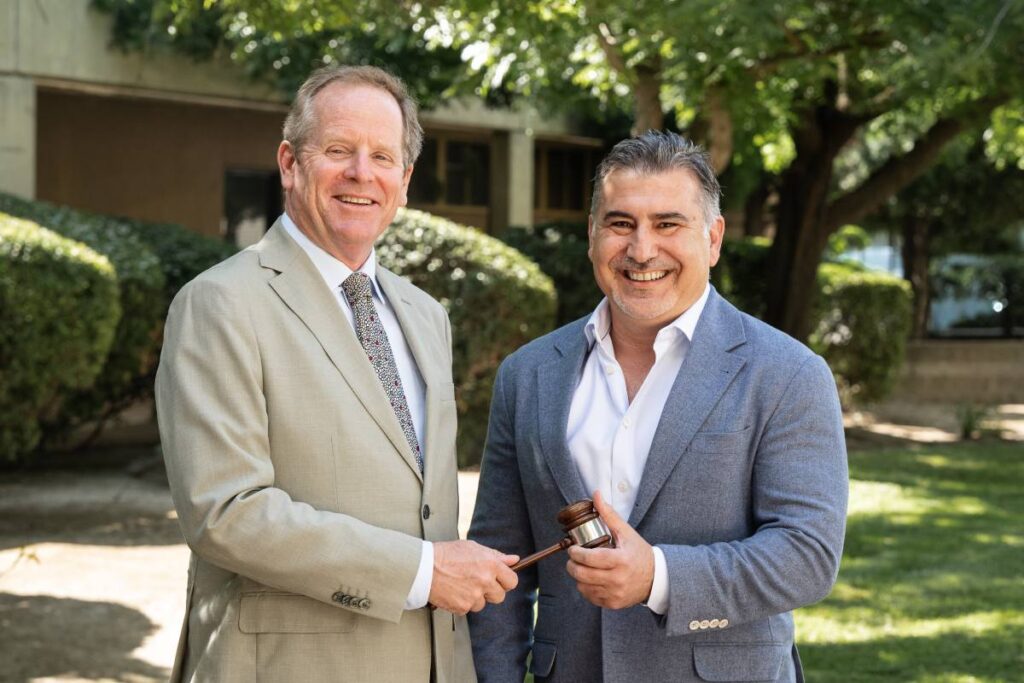
CTGC President Ian LeMay praised exiting board head Marko Zaninovich for his leadership during a significant transition period for the organization.
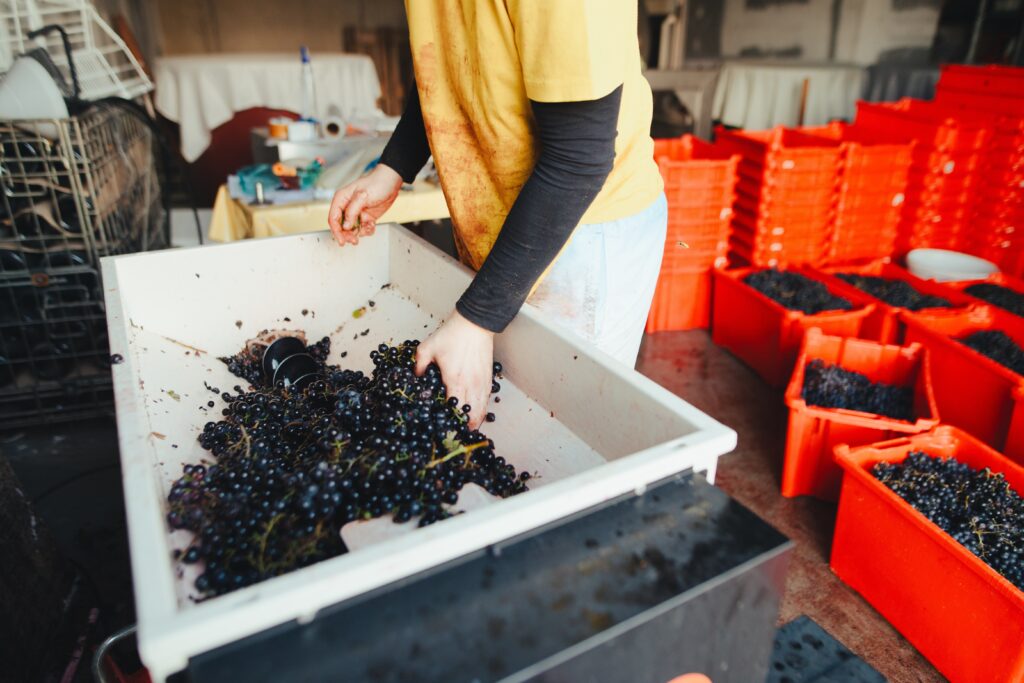
Processed raisin-type grapes dropped sharply by over 50 percent. Conversely, white wine grape crush declined by six percent.
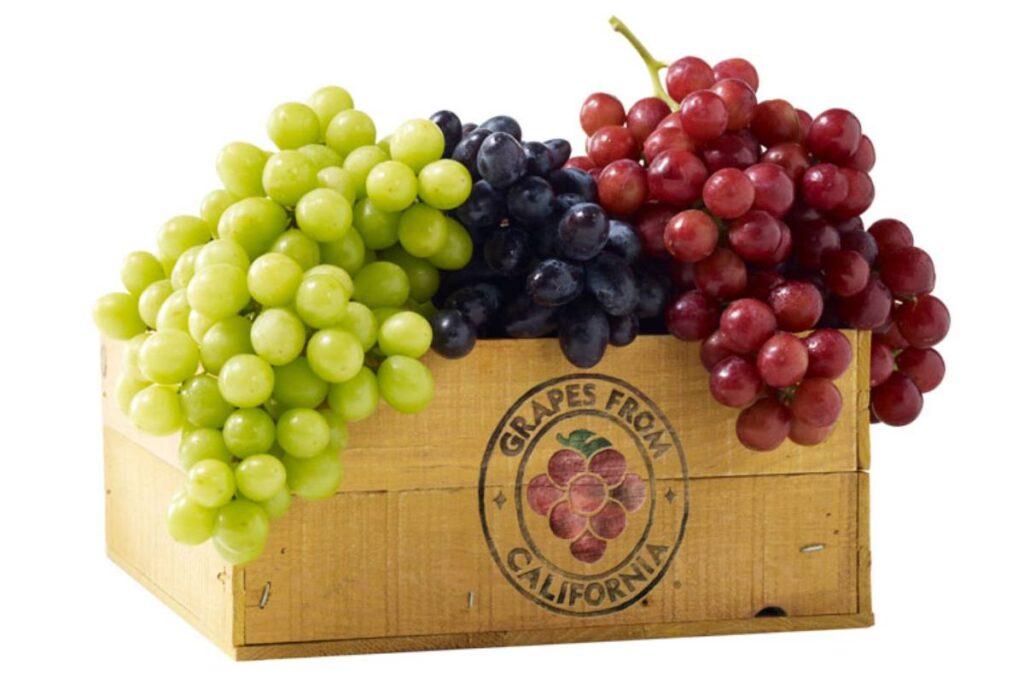
With the grand majority of the fruit grown in the Golden State, the California Table Grape Commission celebrated the announcement, calling it “meaningful and timely.”
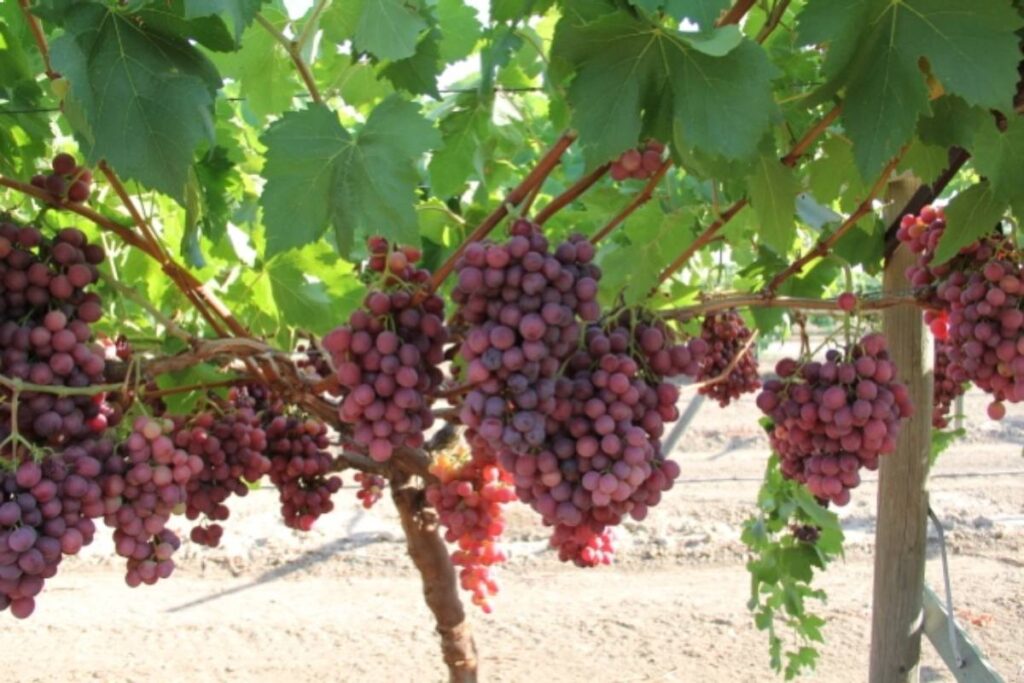
The company ensures those growing their genetics share the firm’s high standards and can deliver an excellent experience.
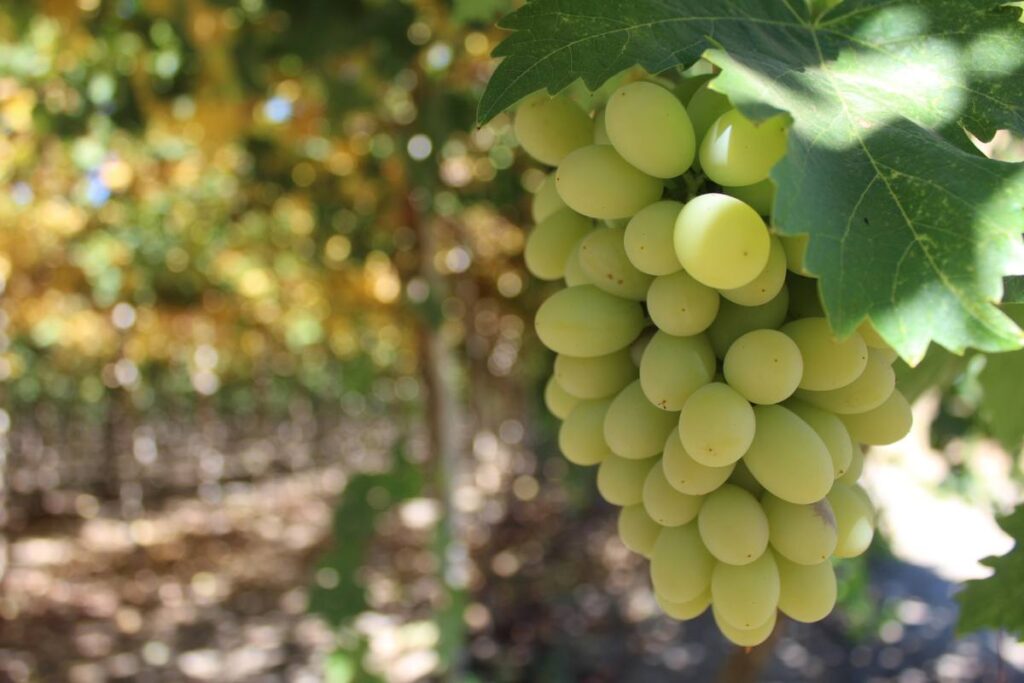
The latest USDA data shows the sector's slight but continued shrinking over the past three years, as well as a clear shift toward popular green varieties like Autumn Crisp.
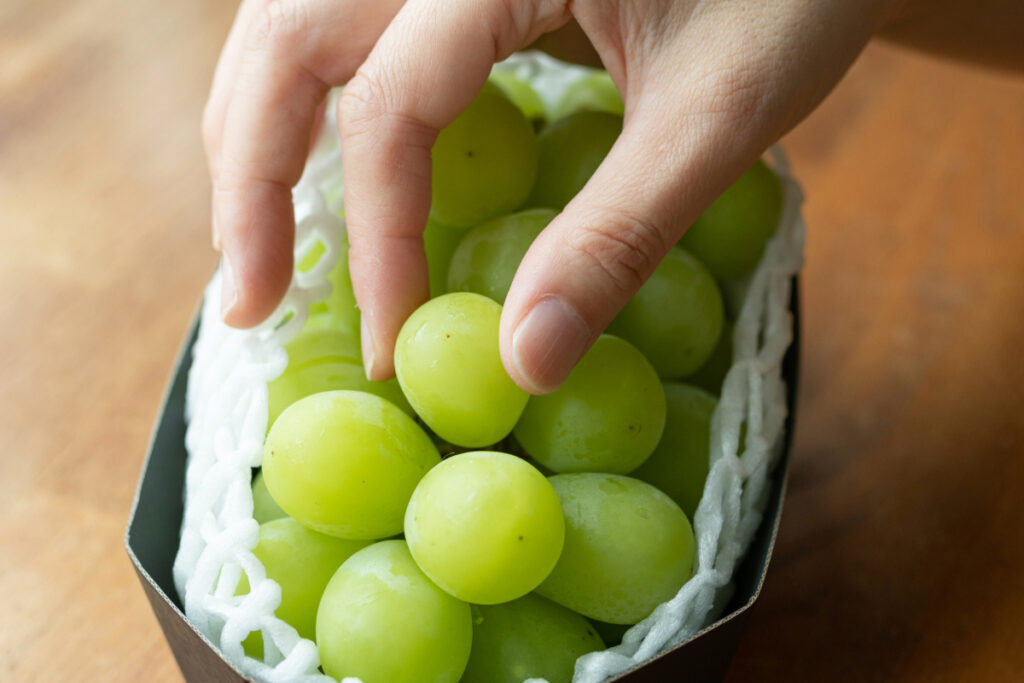
Both sectors face growing international competition, regulatory demands, and pressing quality standard requirements.

South Africa has been exporting fresh table grapes to the United States for over two decades, with an average annual growth rate of 19% over the last five years.

Joylene Van Wyk, the Media Liaison Officer for the country's Ministry of Agriculture, told Freshfruitportal.com that the table grape industry plays a significant role in the SA economy.
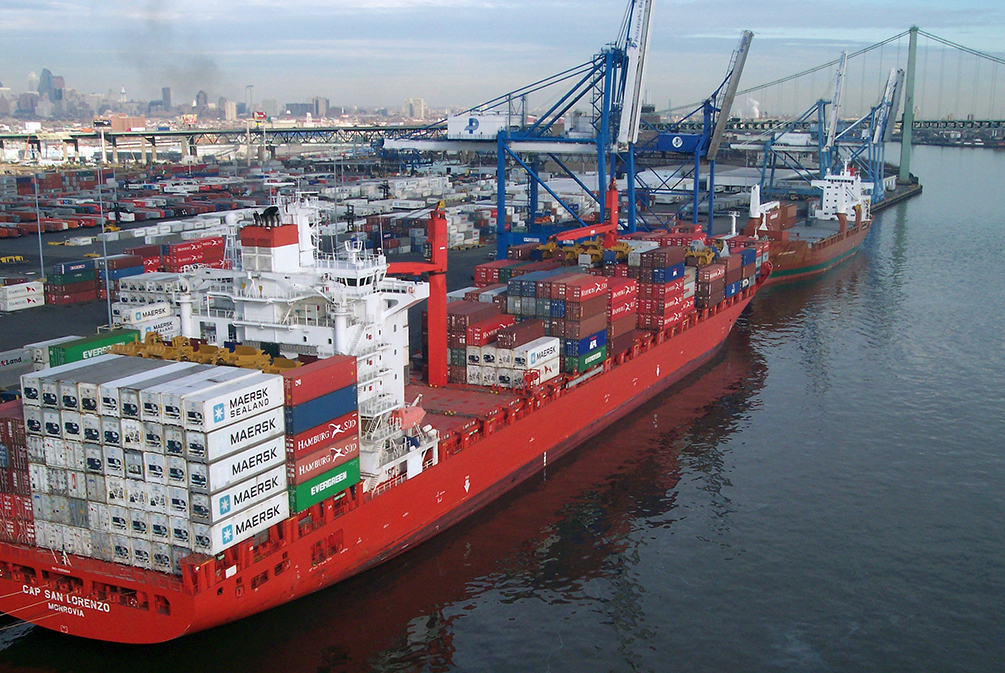
Thomas Holt III, running sales and marketing at Holt Logistics Corp., told Freshfruitportal.com that the supply of table grapes arriving in the U.S. is significantly outpacing last season.

The work of SENASA of Peru and the U.S. Department of Agriculture, achieved this innovation that opens a new option for the Peruvian industry other than shipping fruit in containers.