

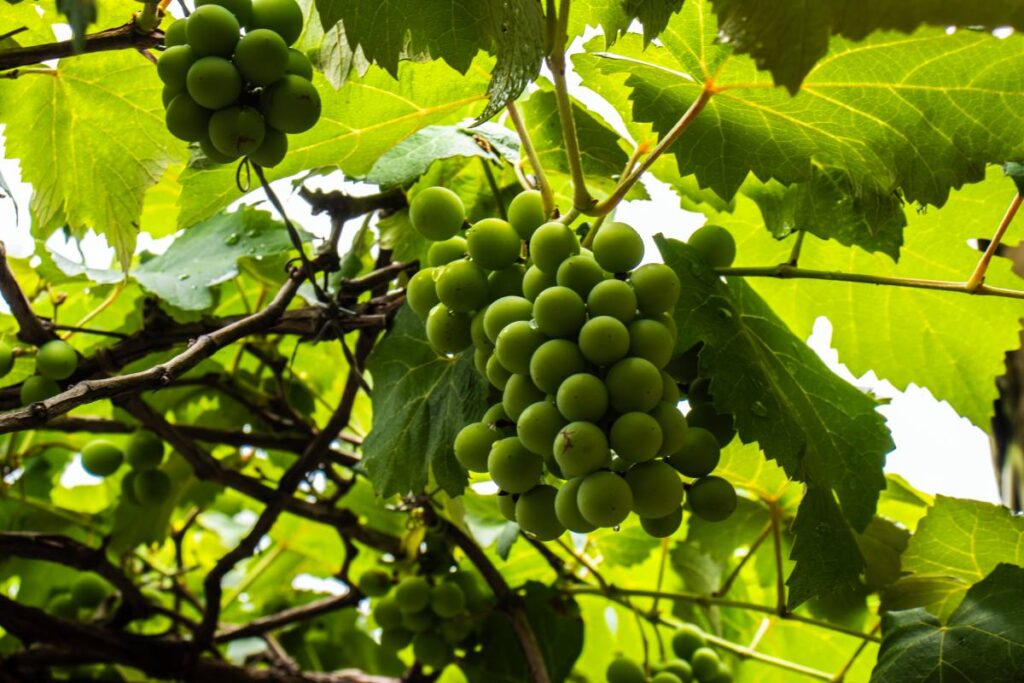


As of May 1, Brazilian table grapes are entering the European Union with zero tariffs, following the provisional implementation of the EU-Mercosur Agreement.
The document, signed by Mercosur countries including Brazil, Argentina, Paraguay, and Uruguay, and the 27 EU Member States, seeks to facilitate trade, encourage investment, and establish more predictable rules between both country blocs.
Although it is still undergoing final approval, the deal already allows for trade benefits, such as tariff reductions. In this first phase, nearly 39 percent of Brazilian agricultural products have zero tariffs.
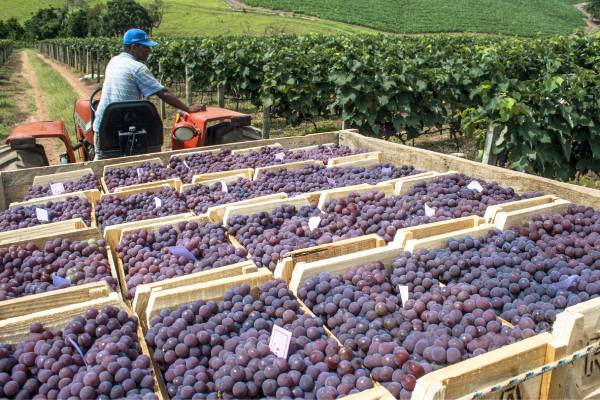
In the next 10 years, approximately 93 percent of Mercosur exports will hit EU shelves tariff-free.
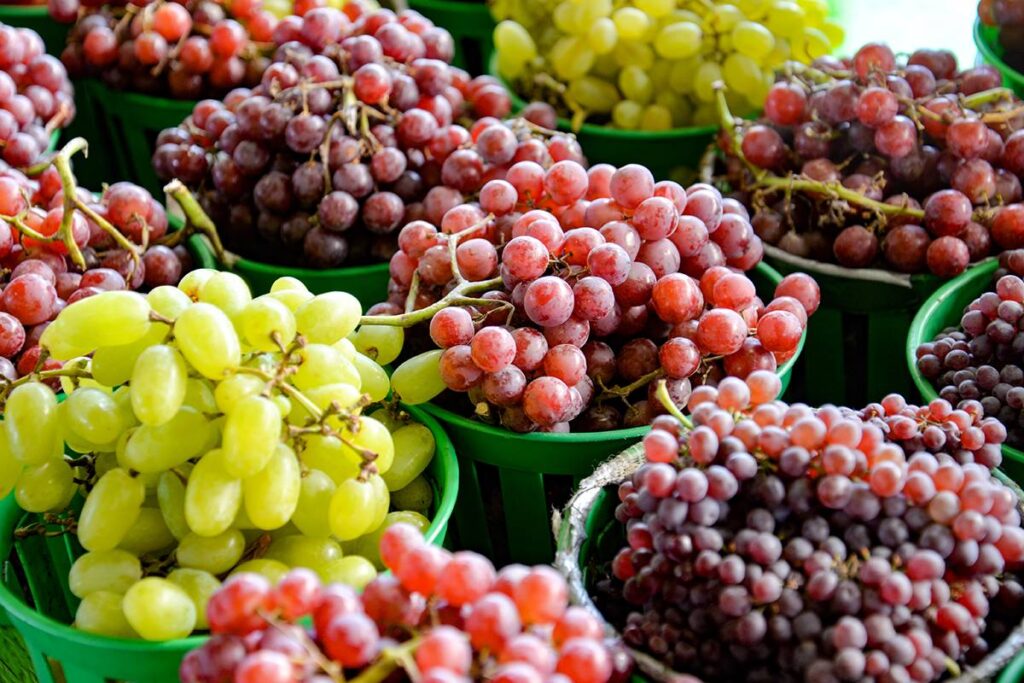
Table grapes stand out as one of the main products benefited by the trade deal.
In 2025, Brazil exported more than 62,000 tons of grapes, a nearly six percent uptick compared to 2024, generating income of $158.7 million.
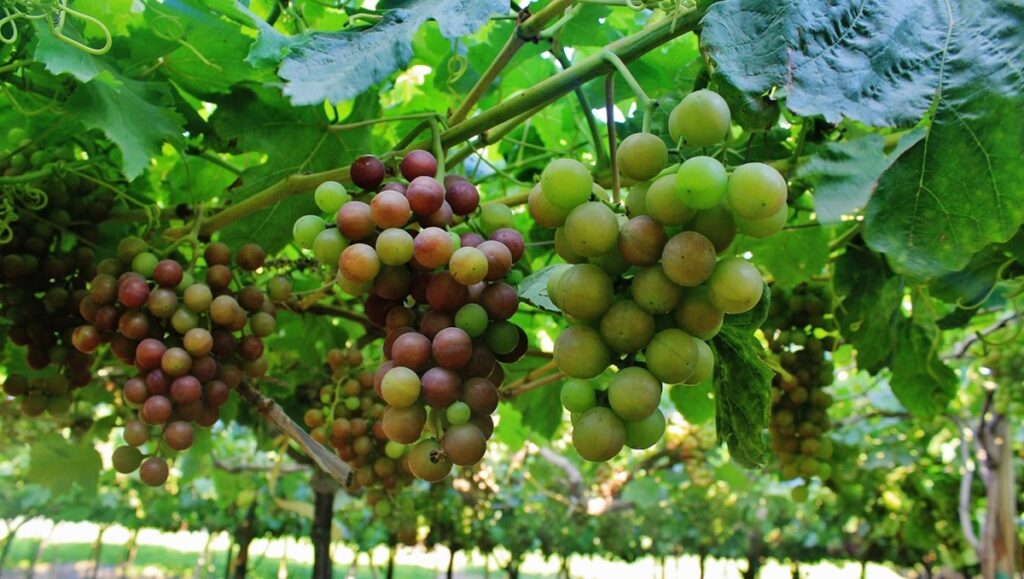
Table grape production in Brazil plays a strategic role in the country’s fruit-growing industry, both economically and socially.
The state of Pernambuco leads production with 755.2 thousand tons (41.5 percent of the total), consolidating the São Francisco Valley's leadership in Brazil’s export supply. Rio Grande do Sul follows suit, with 686.6 thousand tons (nearly 38 percent) and a strong presence in both the processed and the fresh markets.
Europe is one of the main destinations for Brazilian grapes, with the Netherlands, the United Kingdom, and Spain as relevant markets that also operate as logistics redistribution platforms within the continent.
It started with table grapes, but in the next few years, several other categories will eventually benefit from the EU-Mercosur deal.
Avocados will eliminate their four-percent tariff by 2030, while levies for lemons and limes, currently at nearly 13 percent, will be imported tariff-free by 2033. By that time, melons and watermelons, currently taxed at nearly nine percent, will also reach zero tariffs.
Apples will have to wait a little while longer, as 10 years will have to pass before the fruit’s 10 percent tariff is eliminated entirely.
*All images are referential | Story based on data by Abrafrutas Communications - Telma Martes.
On August 12, 2026, Monticello Conference Center, in Santiago, Chile, will host a new edition of the Global Grape Convention.
Organized by Yentzen Group, Frutas de Chile, Provid, Global Grape Group, and Mexico Table Grapes, the event will bring together leading international experts in an unmissable day of strategic content, key trends, and high-level analysis to anticipate market challenges.
The convention is a unique platform to connect with buyers, distributors, exporters, and retail leaders, generating real business opportunities and strengthening networks in a highly specialized environment.
For more info, contact events@yentzengroup.com
Tickets available at globalgrapeconvention.com
Related stories
Brazil’s 2025–26 season orange output increased by 27 percent
Brazilian citrus crop to fall 13 percent during 2026/27 season