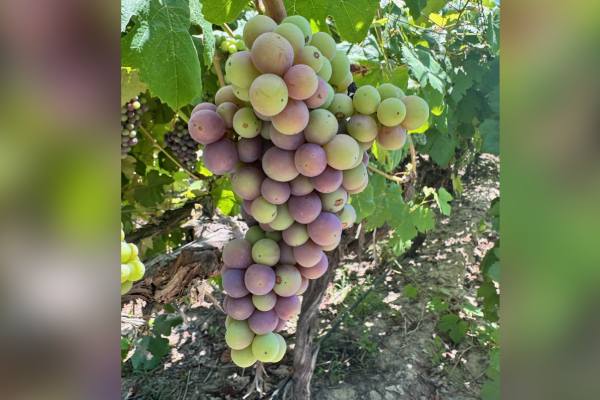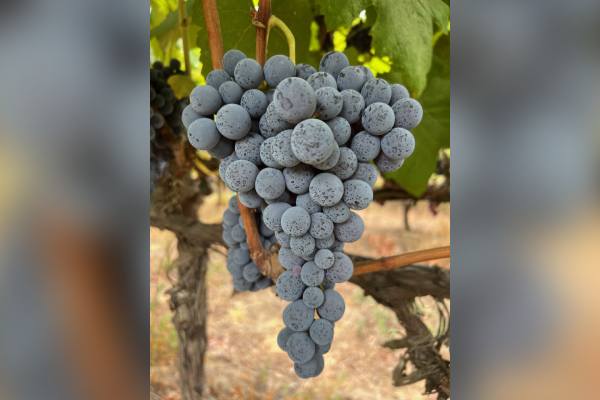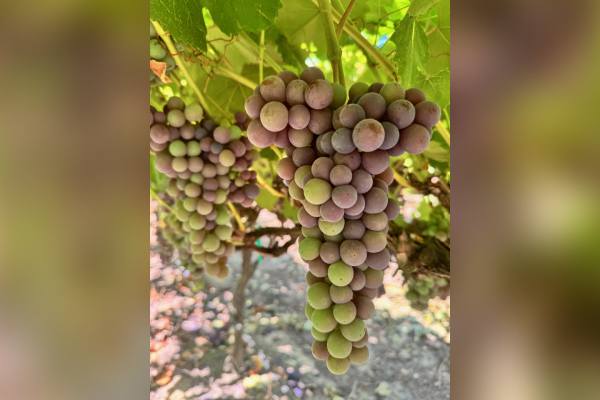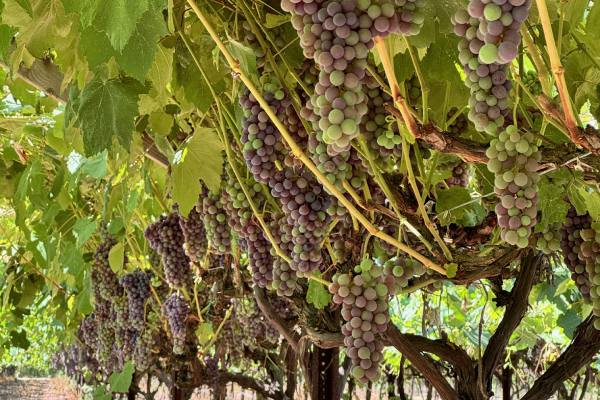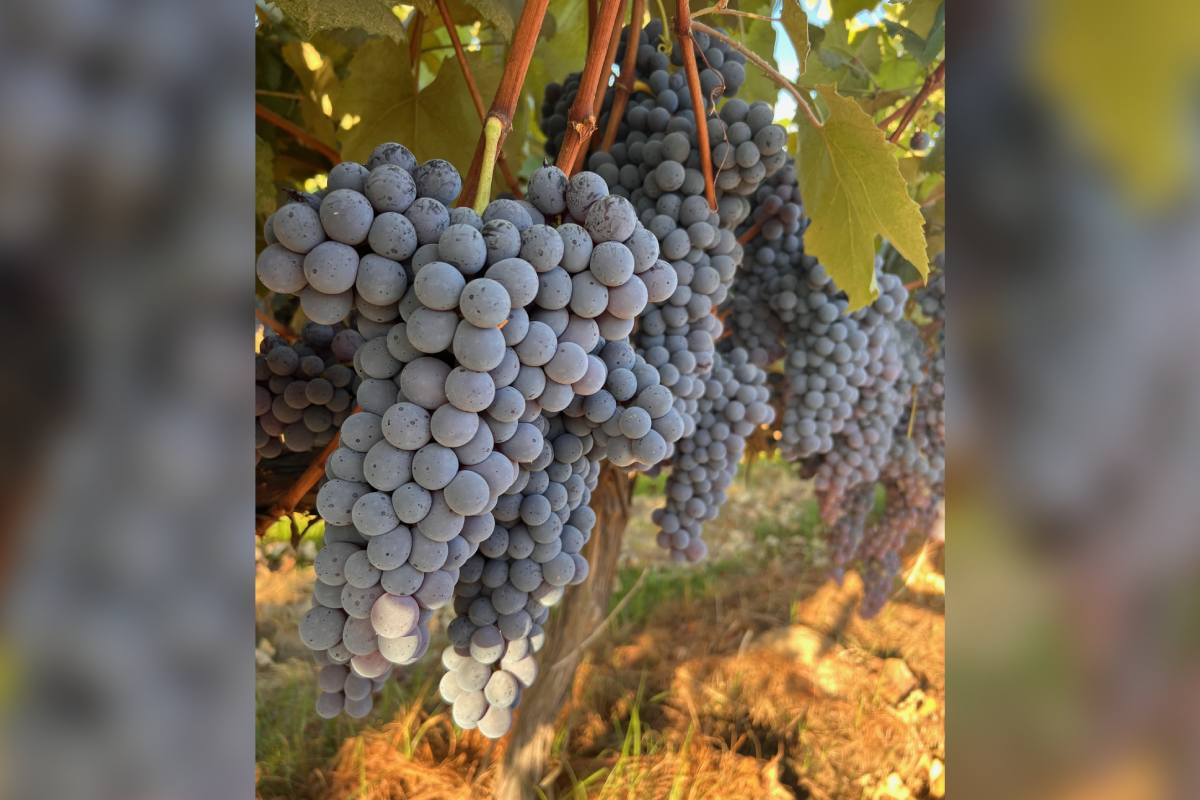





This is definitely not a normal year for California table grapes. Following the earliest season start the industry has seen in decades, warmer-than-usual temperatures keep messing with the vines’ inner clock, pushing color into the berries and giving them a ripe, market-ready look up to three weeks in advance.
Gorgeous, fully colored, plump, and picture-perfect is how CJ Buxman, owner of Sunny Cal Farms, described the fruit in his vineyard. But there’s a catch.
“Appearance and eating quality are two very different things,” he said. “The sugar-acid balance that delivers real flavor simply hasn’t matured yet, and we won’t put our name on fruit that isn’t ready.”
In conversation with FreshFruitPortal.com, Buxam explained that table grapes ripen based on heat units, not calendar days, with each stage of the maturing process triggered by a specific number of those units.
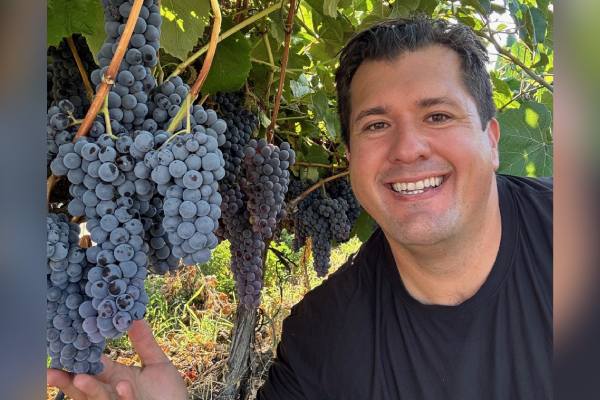
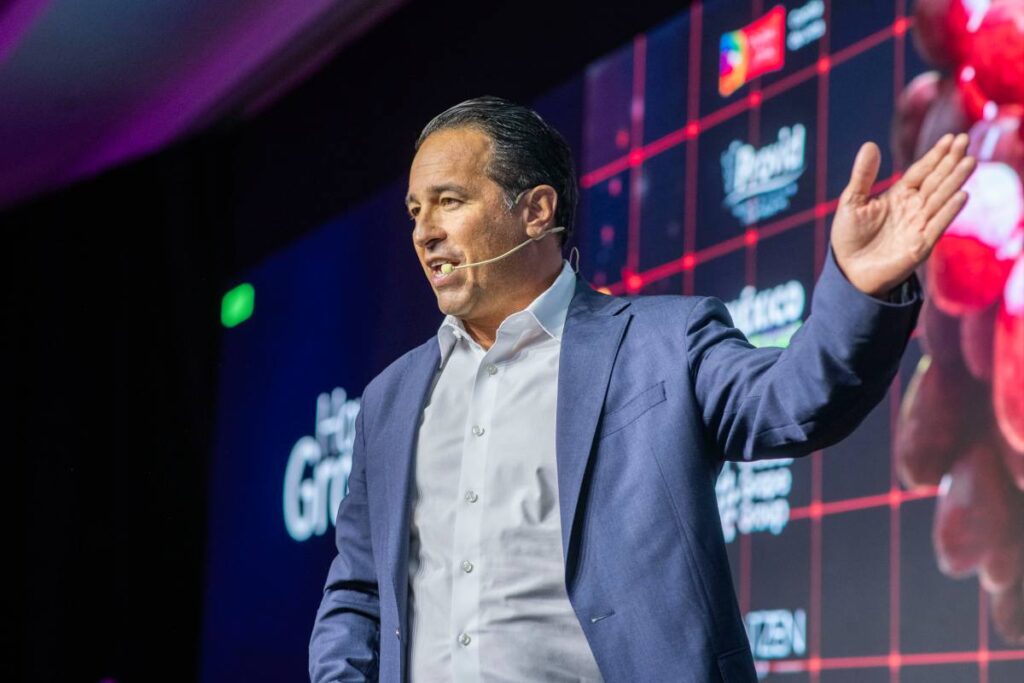
Sunny Cal Farms' owner CJ Buxman
As a result of the warmer-than-usual weather in March, there’s an increased accumulation of heat units in the vines, resulting in a deceptive ready-to-harvest look.
“Fruit coloring is a visual marker of maturity, but not the entire marker for maturity,” Buxam told us. “Acid/sugar balance and other nuanced fragrances and flavors are the other piece of the puzzle for grape maturity, and in 2026, their development has lagged behind color.”
According to the third-generation table grape grower, this “decoupled puzzle” situation is not a phenomenon exclusive to Sunny Cal Farms, and it’s “safe to say” other California producers should be observing something similar in their own vineyards.
However, he explains that the degree to which this early blushing occurs may vary greatly depending on variables such as microclimates within the state, soil types, and table grape cultivars.
The old adage is wise in saying looks aren’t everything, which is why Sunny Cal Farms is prioritizing flavor and a positive eating experience by giving their table grapes enough time to develop better sugar levels.
Practically speaking, this means keeping fruit on the vine for now, but since the timeline is off, getting back to schedule might pose a challenge.
“We have never experienced weather conditions exactly like this, so it gets tricky,” Buxam said. “Each grower will need to make their best call on when to wait, how long to wait.”
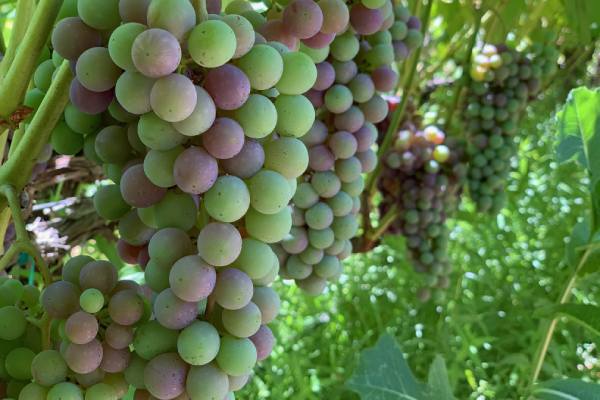
Some table grape varieties, he said, will need to be picked, or else producers could run the risk of hurting or losing the crop completely. On the other hand, waiting too long may make the fruit even less marketable than harvesting now, when the color is there, but the flavor is not.
For Sunny Cal Farms, this is not only a matter of reputation but of crucial commercial importance, as they’re convinced consumers will buy fruit based on looks once, but will only go back to it if it tastes good.
“We grow varieties that offer the ‘grapey’ flavor and fragrance people remember from childhood and actively seek out today,” Buxam said. “If we shortcut the process and pick on color alone, we lose that signature experience, and retailers lose the repeat business that sustains a successful program over the full season.”
As if this play-it-by-ear scenario is not tricky enough, the table grape situation is further complicated by commercial challenges.
According to Buxam, the same warm temperatures that pushed the Golden State season to jump the gun are bringing the Mexican campaign to an early close—up to three weeks ahead of schedule. The result? A widening supply-and-demand gap for quality fruit that is pushing retailers to scramble for product just as the summer fruit season reaches peak consumer demand, says the company.
This might be a problem, as this uncoordination might disrupt retail momentum for the entire category. However, depending on how the season progresses and how this premature blush affects early varieties, it might also create a fantastic market opportunity for a good-looking California crop. 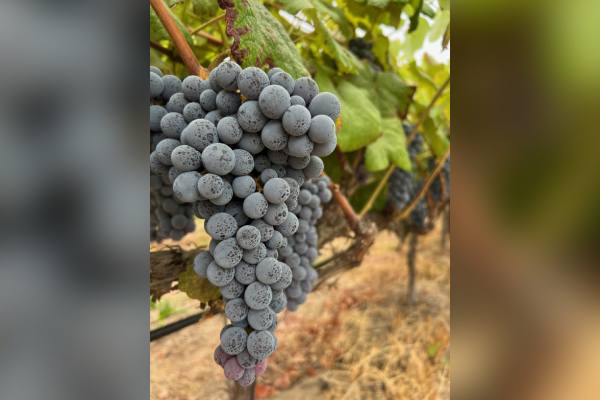
On their end, Sunny Cal Farms reports a strong volume outlook for 2026 and expects that once the fruit reaches the target sugar-acid balance, they’ll be able to deliver both quality and quantity.
“We’d rather wait a couple of weeks and deliver fruit that earns a loyal following and repeat purchases,” Buxman added. “Patience now protects the flavor experience our customers count on and keeps shoppers coming back all season long.”
*All images courtesy of Sunny Cal Farms.
On August 12, 2026, Monticello Conference Center, in Santiago, Chile, will host a new edition of the Global Grape Convention.
Organized by Yentzen Group, Frutas de Chile, Provid, Global Grape Group, and Mexico Table Grapes, the event will bring together leading international experts in an unmissable day of strategic content, key trends, and high-level analysis to anticipate market challenges.
The convention is a unique platform to connect with buyers, distributors, exporters, and retail leaders, generating real business opportunities and strengthening networks in a highly specialized environment.
For more info, contact events@yentzengroup.com
Tickets available at globalgrapeconvention.com
Related stories
California table grape season: San Joaquin Valley fruit is ready for the relay
Warm temperatures bring California table grape 2026 season its earliest start in decades
Sunny Cal Farms announces first organic harvest of Niabel Concord and Kyoho grapes