







No more going nuts on food allergen labeling
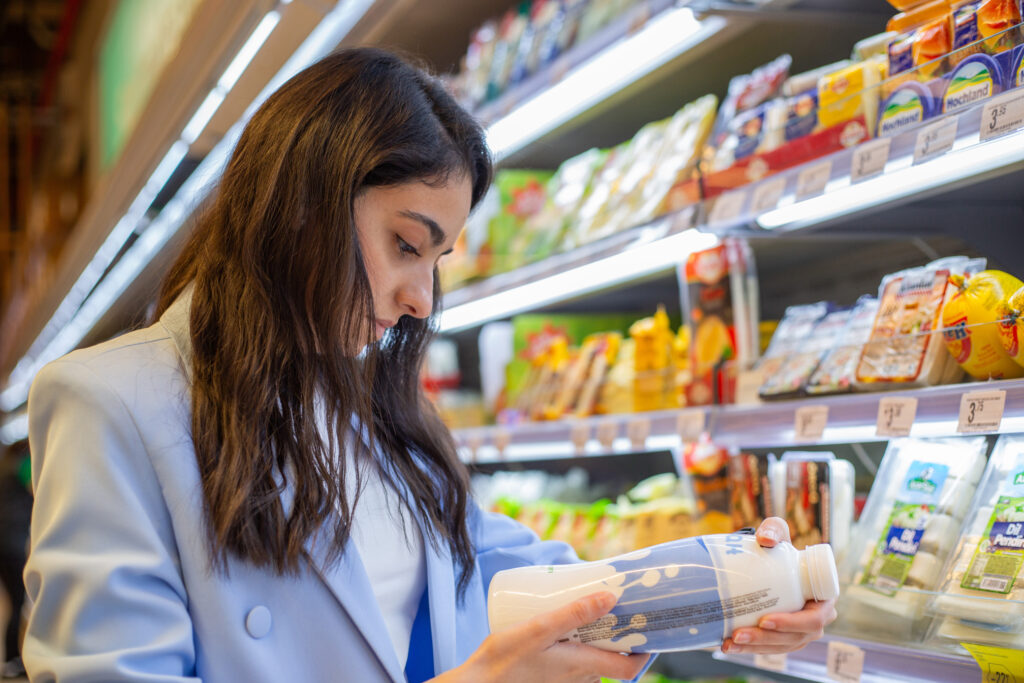


You pick up a packet of biscuits. The ingredients list looks safe. Then you spot a familiar warning: "May contain nuts."

For millions of people living with food allergies, those three words can determine what goes into a shopping basket and what stays on the shelf. The problem is that labeling like this, which is known as “precautionary allergen labeling”, is unregulated in many countries and can often be used inconsistently around the world. That makes it hard for consumers to know when a label reflects a genuine risk.
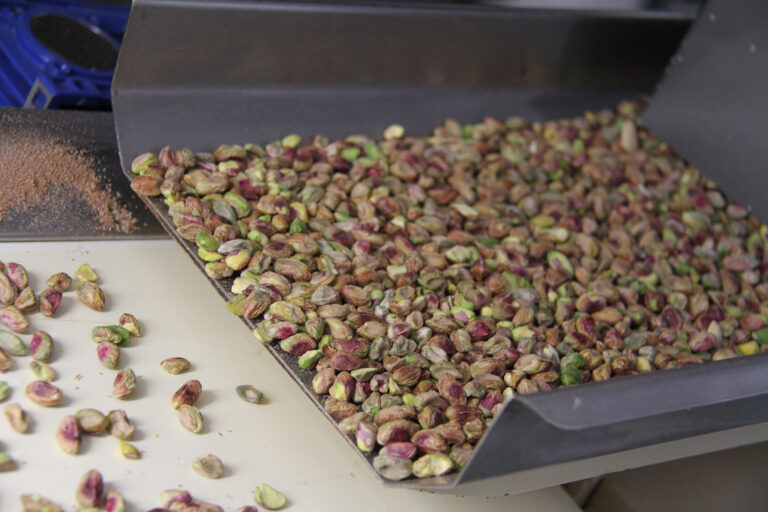
Now, the Codex Alimentarius Commission, an international food standard-setting body established by the Food and Agriculture Organization of the United Nations (FAO) and the World Health Organization (WHO), has adopted new guidelines on food allergen labeling. These stand to change the safety and availability of food products fundamentally for the millions of food allergy sufferers worldwide who are often put off buying foods that carry precautionary labels.
These new ground-breaking guidelines address the overuse of precautionary allergen labeling, providing for the first time ever, risk- and science-based thresholds for measuring unsafe levels of allergens in foods.
Here are five things you should know about allergens and the new guidelines:
1. Food allergies are a worldwide issue
Food allergies affect millions of people worldwide. Reactions can range from mild symptoms such as itching and swelling to severe and potentially life-threatening anaphylaxis.
For people living with food allergies, access to clear and reliable information is essential. Food labels help consumers identify products that contain allergens and make informed decisions about what they eat.
Food allergies can also affect quality of life. Many consumers and families plan meals, shopping trips, and social activities around the need to avoid certain foods.
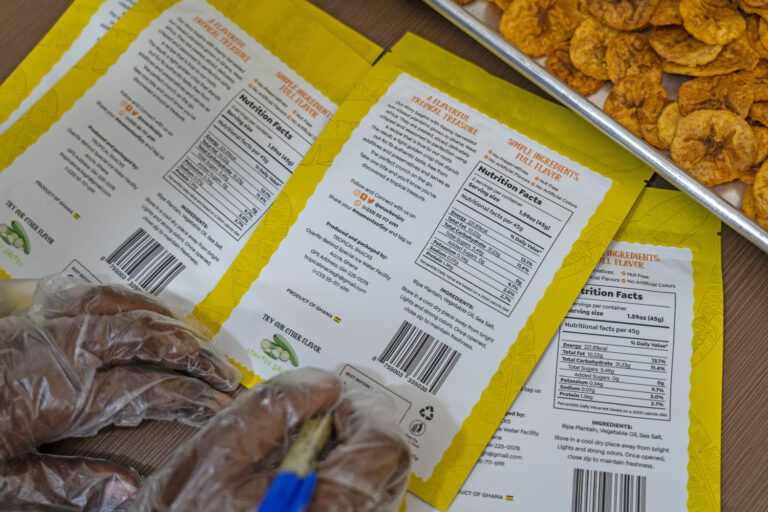
2. "May contain" labels were designed to provide an extra layer of protection
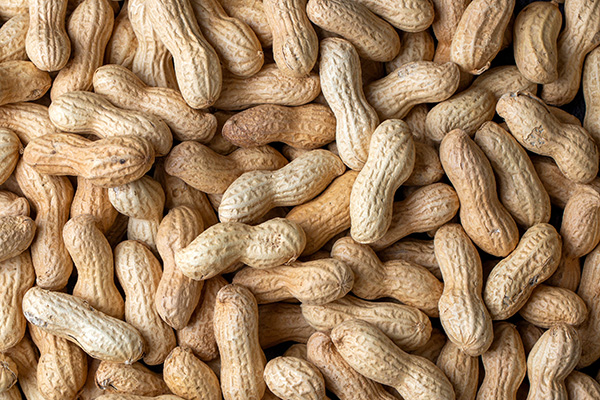
During food production, tiny amounts of an allergen can sometimes find their way into a food even when that allergen is not part of the recipe. A chocolate bar, for example, may be produced with the same equipment used to make products containing nuts. Flour, milk powder, sesame seeds, or other allergenic foods can also be transferred through shared storage, transport, or handling processes.
This is known as allergen cross-contact.
Recognizing this possibility, manufacturers often use precautionary allergen labels such as "may contain peanuts" or "may contain tree nuts". These warnings are intended to signal the possible, unintended presence of an allergen that would not otherwise appear in the ingredients list. When used only when necessary, precautionary allergen labeling provides crucial advice for food allergy sufferers.
However, this labeling has been used so extensively – sometimes unnecessarily – that sufferers can be put off buying foods that are perfectly safe for them or can ignore the labeling completely, putting themselves at risk.
3. The new guidance is based on science and builds on years of international research
Beginning in 2020, FAO and WHO convened international expert consultations involving allergists, clinicians, scientists, regulators, and risk assessors. Together, they examined the evidence on food allergies and assessed how allergen cross-contact occurs throughout food production, processing, and handling. They concluded that when food producers apply good practices regarding hygiene and manufacturing, they can, in fact, all but eliminate cross-contact.
The experts also considered how precautionary allergen labeling could better reflect actual risk. For the first time, risk- and science-based thresholds have now been set, below which the majority of allergic consumers would not suffer an adverse reaction.
Their findings provided the scientific basis for the new guidance adopted by the Codex Alimentarius Commission. This guidance adds to Codex’s General standard for the labeling of pre-packaged foods (CXS 1-1985), which, since 1999, has included a list of foods and ingredients known to cause hypersensitivity.
4. Precautionary allergen labeling should be used only when necessary
The new guidelines outline the general principles the food industry should apply to prevent or minimize the unintended presence of food allergens caused by cross-contact.
In this way, it is possible to reduce the use of precautionary allergen labeling so it is applied only when strictly necessary, restricted to situations where unintended allergen presence cannot be prevented or controlled through allergen management practices and where risk assessments indicate exposure above science-based thresholds.
5. This Codex guidance is meaningful for consumers and for trade
Codex texts are the benchmarks for the safety of food traded internationally under the World Trade Organization's (WTO’s) Agreement on the Application of Sanitary and Phytosanitary Measures. What this means is that all the Members of the WTO, which are most countries in the world, are committed to trading food that complies with Codex standards.
For the food industry, Codex texts provide a harmonized approach to food trade. With these first-ever guidelines on precautionary allergen labeling, more products can be made safely available to consumers.
Through the development of labeling guidelines and codes of practice on food allergen management, the Codex Alimentarius helps countries to protect consumers and ensure fair practices in trade.
In the end, the most useful label is the one that consumers can trust to keep them safe.
*All images by © FAO / Khairi Ben Hassine.
This story was originally published by the Food and Agriculture Organization of the United Nations on July 10, 2026.
Related stories
A date in the desert: How agricultural tradition becomes economic growth in Tunisia





Subscribe to our newsletter