


The Table Grape Committee of industry body Frutas de Chile released its first estimate for the 2026/27 season, projecting exports of 67.9 million 8.2-kilo boxes, a 16.5 percent increase compared to the 58.3 million boxes shipped during the 2025/26 campaign.
The forecast reflects a significant year-on-year bounce-back for Chilean table grape exports, putting the country at levels similar to those recorded in the 2024/25 season, when shipments reached 67.9 million boxes.
“This initial estimate shows a recovery from last season, but at the same time demonstrates a distinct offer: with a large majority share of licensed varieties and a season projected to start earlier,” said Álvaro Aspée, Executive Director of the Table Grape Committee in a press release issued by the organization.
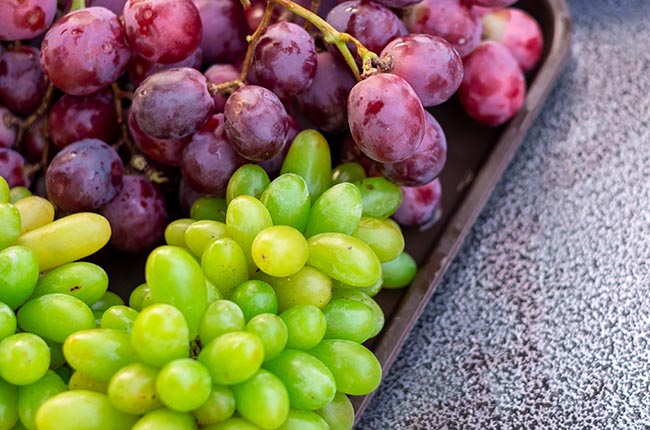
Image via Shutterstock
Licensed varieties will continue to lead the Chilean supply, accounting for 72 percent of the country’s total table grape exports. These cultivars are projected at 49 million boxes, up nearly 14 percent year over year.
Meanwhile, Red Globe could reach nearly 12 million boxes (up over 30 percent), while other traditional varieties will total around 7.2 million boxes, growing by nearly 15 percent.
“More than seven out of every ten boxes that Chile exports this new season will be licensed varieties. Added to this is a recovery in Red Globe, within an offer that is already structurally renewed,” Aspée emphasized.
By color, white grapes will reach nearly 28 million boxes, a 17.7 percent increase and more than 4 million additional boxes compared to the previous season.
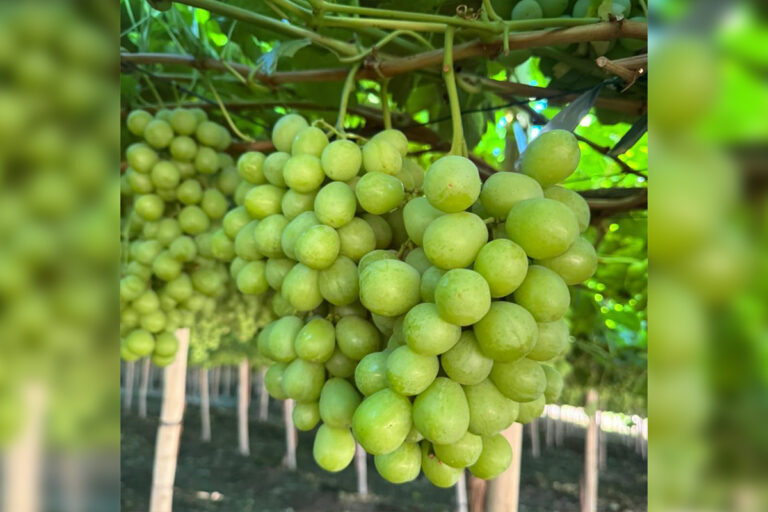
The varietal shift is particularly strong in this segment, as over 95 percent of the projected volume comes from licensed varieties.
Among the main cultivars, Sweet Globe stands out with around 8 million boxes (up 17.5 percent); AUTUMN CRISP with 7.7 million (up 29 percent); and Timpson with approximately 3.2 million (up 28.5 percent). Together, these three varieties account for nearly 87 percent of the white grape segment.
Red varieties, excluding Red Globe, will reach 24 million boxes, up nearly 13 percent, while black grapes will remain virtually stable at around 4.5 million boxes.
By region, Coquimbo, Valparaíso, and O'Higgins will account for about 96 percent of the projected growth.
One of the main changes in the industry’s estimates relates to the export calendar.
The national peak is expected to shift from week 12 to week 11, although without a significant increase in the maximum weekly volume.
The difference mainly lies in higher fruit accumulation during the initial weeks. Up to week 11, 67 percent of the total volume is projected to be exported, compared to 56.4 percent recorded in 2025/26 for the same week.
This represents approximately 12.6 million additional boxes accumulated through week 11, compared to an estimated total season growth of 9.6 million boxes.
“Rather than a higher peak, we are projecting an earlier season. This is significant because it means the challenge won't just be managing a higher total volume, but also a higher concentration of fruit during the first part of the season,” Aspée explained.
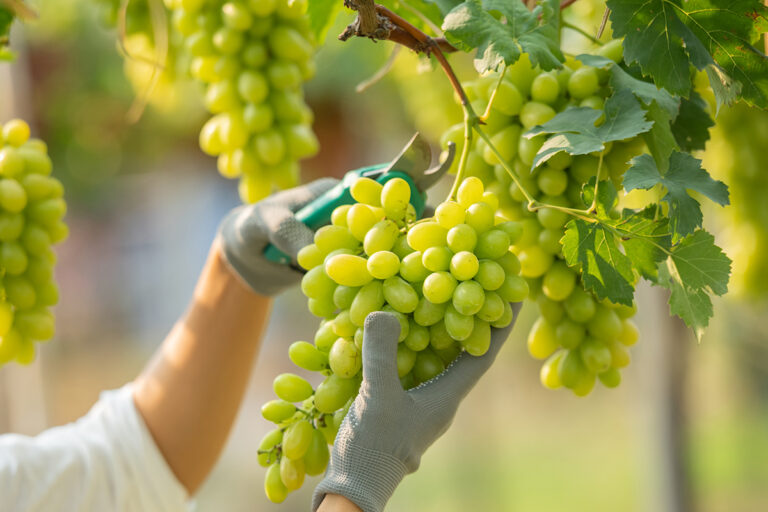
Image via Shutterstock
The shift is even more evident in white grapes. By week 11, 81 percent of their volume is projected to be exported, compared to nearly 68 percent in 2025/26, with their peak advancing from week 12 to 10.
For Red Globe, nearly 42 percent of the volume will be exported by week 11, up from about 29 percent in the previous season. In that week alone, shipments will jump from around 758 thousand to 1.52 million boxes.
The initial estimate also anticipates growth across major destination markets. The United States will account for approximately 50 percent of shipments, with 34 million boxes and a projected growth of 15 percent.
Meanwhile, Europe will receive 15.1 million boxes (up 16 percent), while Asia will reach nearly 6 million boxes, also reflecting a 16 percent increase.
Other markets will account for approximately 12.9 million boxes, a 20 percent increase, raising their share to nearly 19 percent of the total.
“This first estimate provides an initial snapshot of the season's potential. Upcoming updates will allow us to fine-tune the volumes and timing of shipments, but today the clearest signal is a recovery in Chilean supply, backed mainly by licensed varieties and an earlier concentration of shipments,” Aspée concluded.
*All images are referential.
Related stories
Chilean table grape industry eyes strategic shift to secure competitiveness
Chilean fruit exports surpass $8 billion during the 2025-26 season