


Avocado harvest stoppage in Michoacán threatens US supplies
 Add Fresh Fruit Portal to Google
This is a developing story…
More support amid rising production costs, higher farmgate prices, and protection against the entry of fruit from other Mexican states. Those are the demands of Productores Unidos de Aguacate (United Avocado Producers), a local industry body bringing together small avocado growers in the state of Michoacán, Mexico.
The organization called for a widespread halt to harvesting on October 23rd, affecting one of the few regions in the country authorized to export avocados to the United States.
The organization met with its counterparts, the state government, and Mexico’s Avocado Producers and Packer Exporters Association (APEAM) on Tuesday, but the parties didn’t come to an agreement. After almost a week, operations in the producing municipalities have yet to resume, and the union has taken control of the local phytosanitary agency Sanidad Vegetal.
Local growers argue that rising production costs and low prices have put unsustainable pressure on margins, and they demand a minimum farmgate price ranging between MXN $35 and MXN $45 ($1.86 and $2.39) per kilo of avocados.
Relatedly, the sector is also protesting against the implementation of the VELAGRO program, a digital platform launched by the State Government of Michoacán and enforced since the beginning of October. Producers allege the system is not only overly complicated but also puts even more financial strain on small growers at a time when returns are already dramatically reduced.
In a press release, APEAM said it remains open to proposals and requirements from its members that "promote spaces for institutional coordination that contribute to finding feasible alternatives to strengthen the stability and continuity of the industry."
Regarding the growers' demands, the organization said it's working to provide assistance in complying with the VELAGRO program, and underscored that they play no role in setting avocado prices at any stage of the supply chain.
"The Association doesn't set, raise, influence, or manipulate avocado prices, which are determined according to market conditions and the free trade scheme both domestically and internationally," the statement reads.
Potential strain on US avocado supply
Along with Jalisco, Michoacán is one of two states authorized by the US Department of Agriculture to export avocados across the border. However, the region is by far the largest producer, accounting for up to 90 percent of all Mexican avocados sold in the US, which in turn account for 98 percent of the US avocado market, according to sources consulted by FreshFruitPortal.com.
According to supply service platform Produce Alliance, by the time the strike started, between 56 and 58 million pounds of avocados were in storage, providing a cushion for American retailers.
“No immediate supply disruptions are expected,” they wrote in a notice sent to its user base on Friday, October 23rd. “However, if the stoppage extends beyond three days, the industry may begin experiencing reduced availability, loading delays, and potential market volatility.”
Now, six days into the strike, the landscape has changed. US weekly demand for avocados sits at 50 million pounds, meaning that if an agreement between the parties is not reached soon, American consumers might start having a hard time getting their hands on the fruit.
“Availability could tighten over the coming days, increasing the potential for prorations, loading delays, and higher pricing,” they wrote in an update sent on October 29th.
Furthermore, the service explained that, even if harvesting resumes before the end of the week, supply recovery will take time.
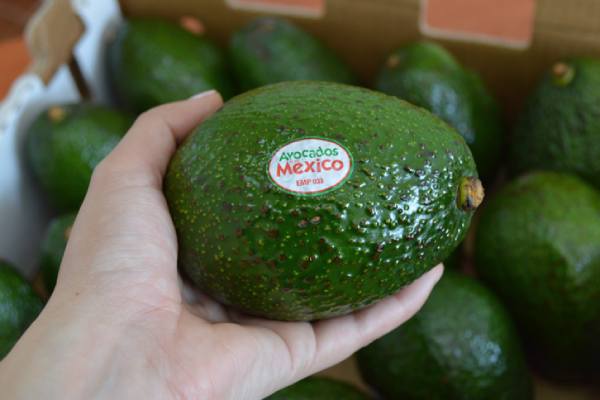
“Fruit must be harvested, packed, inspected, and transported before distribution centers and ripening facilities can replenish inventories,” they added. “Customers requiring conditioned or ripened fruit may experience a longer recovery period, and some supply challenges could continue.”
Michoacán avocado growers have not given any timeline as to when harvest will resume, but citing industry contacts, the Produce Alliance says the sector is hopeful and expects picking operations to restart on Monday, November 2nd.
In the meantime, a second meeting between the local industry, the government, and APEAM will take place today, October 29th.
*Main image via Shutterstock. Other images courtesy of Avocados from Mexico | Archive
The second edition of the Global Avocado Summit will be held on November 11, 2026, at the Monticello Casino Events Center in Santiago, Chile. Organized by Paltas de Chile and Yentzen Group, the meeting seeks to bring together the main players in a growing industry
The event has established itself as a key space for addressing commercial and sustainability issues in the industry, bringing together producers, exporters, buyers, certifiers, and innovators to analyze the sector’s challenges and opportunities.
For more info, contact events@yentzengroup.com
Related stories
Michoacán finishes 2025/26 avocado season 27 percent below last
Mexico formalizes Protected Geographical Indication standards for Michoacán avocados