
Mango's price plunge and banana's fungal fight: Key trends that shaped the 2025 exotic fruit industry
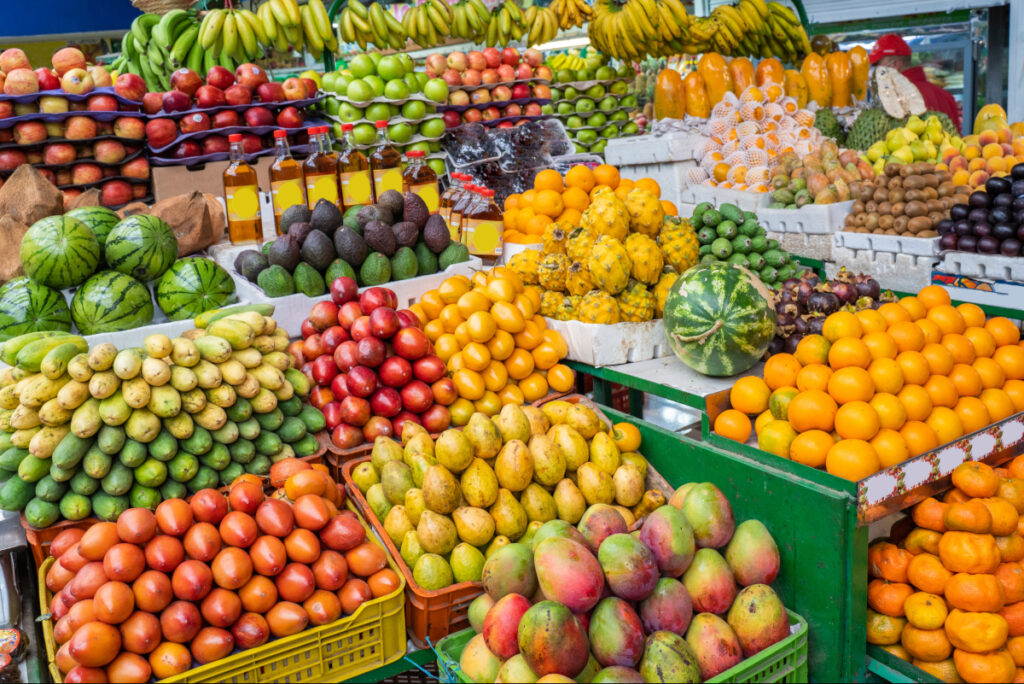

This year was a standout chapter for tropical and exotic fruits worldwide. From Peru’s bold push to boost mango harvests to tropical flavors taking over American kitchens, 2025 marked the moment when North American and European homes truly hungered for more of these vibrant fruits.

In the US, specialty and tropical fruits led the charge in sales growth this year. Even with a 6.8 percent price jump—the steepest in the fresh produce aisle—mangoes and kiwis still soared to the top of America’s shopping lists, and some of the items in the exotic category finally made it to Europe's most eaten fruits.
Exotic fruit's 2025: Mango's roller-coaster year
Mangoes were poised for a rocky year due to major water shortages in producing countries such as Mexico, Costa Rica, and Peru.
However, markets were able to circumvent hurdles and profit from a booming global fruit consumption. Demand in the US for exotics was mainly driven by an increase in imports from global players, including Mexico and Peru.
Peruvian growers in the Piura region experienced short periods of water shortage in November and December 2024. But the crop was resilient, and the country’s export volume increased by over 200 percent, with most exports set to North American and European markets.
Overall, Peruvian mango exports increased 15 percent, going from approximately 281,000 short tons in the 2023/24 season to roughly 324,000 short tons in 2024/25.
However, the exotic fruit's bumper crop brought prices tumbling down. Peruvian mangoes dropped from $1.24 to just $0.53 per pound, as oversupply and Mexico’s overlapping season deepened financial setbacks.
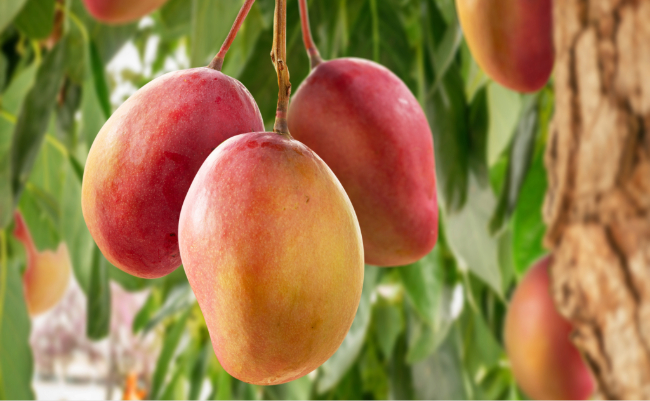
In Europe, mangoes helped strengthen Peru’s agribusiness sector, especially in France. This year, Peru also exported its first shipment of organic Ataúlfo mangoes to the Netherlands.
Tariff turbulence in the US led Mexican growers to double down on new markets in Europe and South America. However, despite the trade turmoil, mangoes still crossed the border and swept across the Us and Canada in impressive numbers, with over 80 million boxes.
Mexico is the world’s leading supplier of mangoes, with 85 percent of its exports bound for the American market. The Aztec country is followed by the Dominican Republic, the US's second-largest supplier of mangoes.
By July this year, the two countries had shipped nearly 65.5 million boxes, more than half of the total for 2024, with four months in the season still remaining.
Mexico closed out the mango export season this December with a record-breaking 95 million boxes shipped—the highest tally ever.
Brazil faced financial challenges during the summer and early mango export season, as the US imposed a 50 percent tariff on select agricultural products from the South American country, including mangoes and other exotics. The levies proved short-lived, and US imports of Brazilian mangoes remained steady throughout the season despite a price hike.
Bangladeshi mangoes were introduced to the Chinese market in 2025. After six years of negotiations delayed by COVID, the Asian country sent its first 50-ton shipment on May 28.
Ecuador is racing to supply North America, with this season’s shipments expected to reach 14 million boxes—just shy of last year’s.
Bananas: A resilient 2025
Bananas faced a tough road this year, with serious challenges looming over the industry. In response, new alliances and fresh initiatives emerged, breathing new life into the sector.
Costa Rica, a top-five global banana supplier, was impacted by heavy rains this year, and as a result, reported a year-over-year decrease of over 20 percent in both production and revenue for Q2.
Climate is not the only hurdle affecting banana stakeholders. Early this year, Fresh Del Monte officials sounded the alarm twice, saying that Fusarium TR4, a fungal disease currently threatening banana volumes, had gone unchecked.
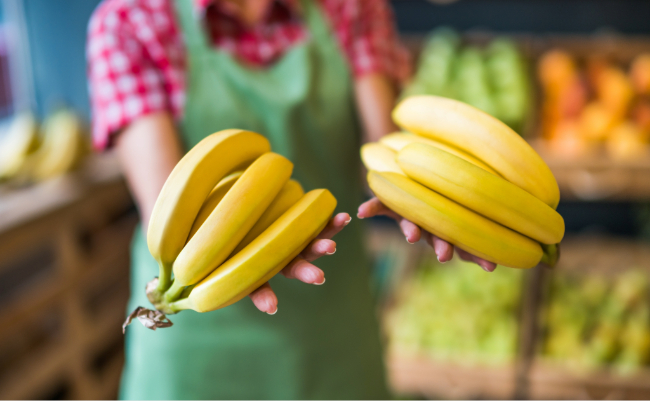
Also hit by Black Sigatoka, another disease affecting banana-producing regions, Costa Rica’s output declined 22 percent year over year, resulting in a loss of approximately 18 million boxes.
The battle against these pests is still ongoing, but industry efforts have provided some results and long-awaited optimism. In August, field trials in Colombia confirmed two Fusarium T4-resistant banana cultivars: Brazil's BRS Princesa and BRS Platina. Still in development, these varieties could be a real blow against one of the diseases threatening the global banana sector.
Colombia also prioritized its tropical crop this year and relaunched the Comprehensive Security Reactivation Plan for the Banana Sector (PISBA) to address drug trafficking concerns and ensure exports meet the highest safety standards.
Leading global banana suppliers, including Chiquita, Dole, Fresh Del Monte, and Fyffes North America, formed the Banana Association of North America (BANA), a not-for-profit trade association established to increase category awareness and expand consumer engagement in the region.
And the organization had its work cut out for it. BANA faced a real challenge as US banana prices climbed sharply as a result of the White House’s new tariff-based trade policy.
The announcements made on Liberation Day led to a 5.4 percent increase in banana prices by September 2025. The levies were lifted in November when the Trump Administration issued an executive order granting tariff exemptions on some agricultural products, including bananas.
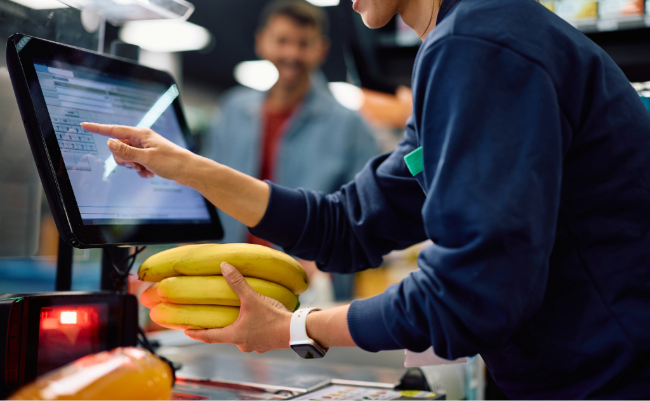
Yet, despite all the obstacles, the industry kept its spirit high—introducing BOB Del Monte and celebrating bananas’ crown as Europe’s favorite snack.
Exotics take over Europe
In 2025, pineapples finally ranked within Europe’s top 10 favorite fruits, and the exotic pink pineapple became especially popular in the United Arab Emirates.
In the first month of 2025 alone, fresh dragon fruit exports from Peru reached $236,000, a 264 percent increase compared with the same period a year earlier. In volume terms, exports totaled 102 metric tons, upping this exotic category by 314 percent year-over-year.
Spain was Peru’s main market, followed by the Netherlands (178 metric tons), the United Kingdom (52 metric tons), and Germany (7 metric tons).
This trend is not surprising, as exotic and tropical fruit consumption has increased across Europe over the past decade, with Spain becoming a key market between 2014 and 2024.
This year, Spain also emerged as the region’s third-largest supplier of tropical fruits to the European Union, only behind the Netherlands and Peru.
Related stories:









Subscribe to our newsletter