
Preserving native pollinators can boost fruit yields, Chilean research says

Written and reported by Macarena Bravo | Lee esta historia en español.

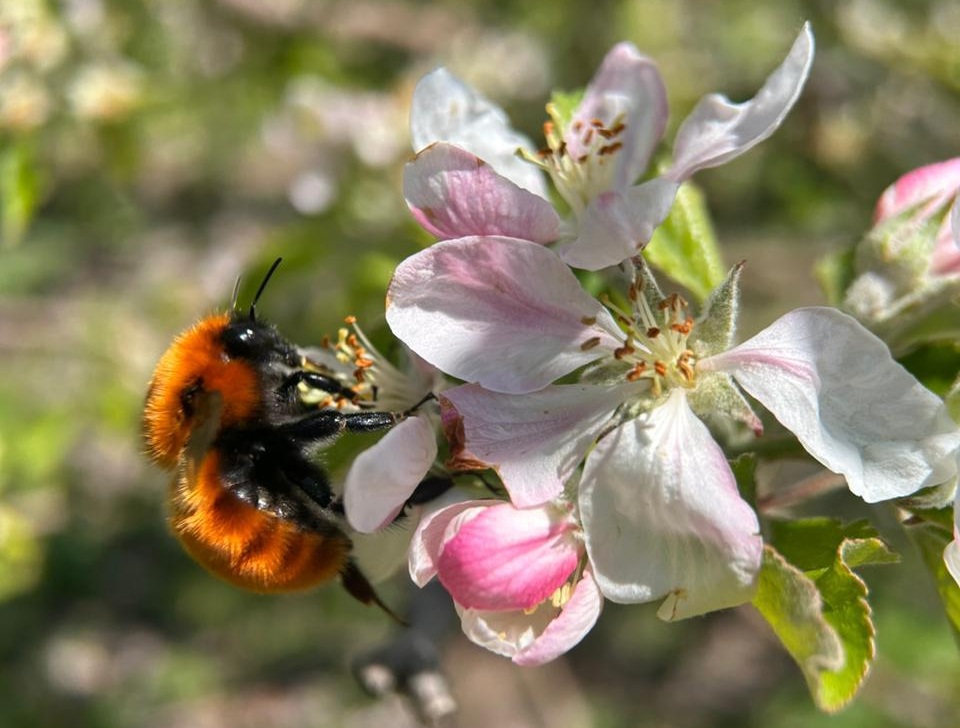
In the fruit industry, the focus is often on the final product, while a critical process goes unnoticed: pollination. However, a new Chilean study is finding an unexpected correlation between native pollinators and fruit yields.
Pontifical Catholic University of Valparaíso (PUCV) researcher and agroecology professor Juan Luis Celis and his team analyzed 36 commercial apple and cherry orchards, comparing those surrounded by natural vegetation with others located in landscapes dominated almost entirely by intensive agriculture.
While the fact that pollination directly influences the quantity and quality of the fruit is hardly news, Celis’ team observed that, in orchards close to natural habitats, native pollinator presence increased, and with it, fruit productivity and quality.
“Flies had already been described as good pollinators of cherry and apple trees in countries like Germany or England, so we expected them to have a positive impact in Chile as well,” he tells FreshFruitPortal.com.
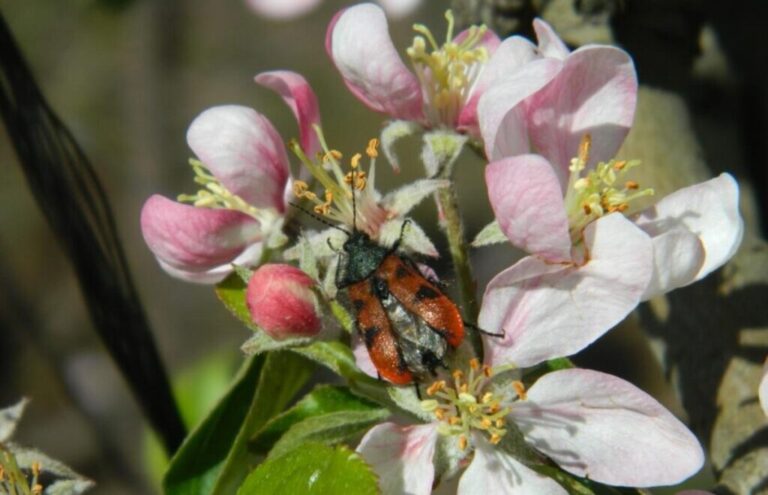
Celis notes that what really surprised them was the role of beetles, especially those in the family Melyridae. These are commonly known as the Chilean pololo and are not typically considered pollinators.
He explains that these insects, far from being occasional players, possess bristles in their legs that enable them to transport pollen as they visit cherry and apple blossoms.
The role of native vegetation
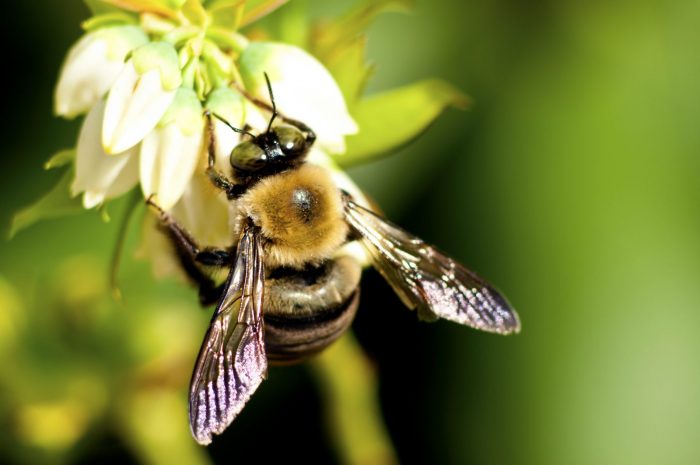
Celis says that “preserving the natural vegetation around orchards is key to allowing these pollinators to inhabit the landscape and move toward the crops”.
Natural areas harbor native pollinators that move toward the orchards and promote flower fertilization. The professor explains that these spaces generate microclimates that help maintain more stable humidity and temperature conditions, factors that also influence fruit development.
Another significant finding of the study is the so-called “edge effect.” This phenomenon describes how pollinators tend to concentrate within the first few feet from the orchard’s edge inward. According to the results, native pollinator presence decreases significantly beyond 230 feet from the edge.
Far from being a limitation, this observation opens up new management opportunities for growers, Celis stresses.
“There are many changes farmers can make to extend the benefits of edges with native vegetation further into the orchards,” he explains.
Flower strips or small islands of vegetation with flowering plants—ideally native species—should be distributed approximately every 230 feet, he adds, to push native pollinators further back into the productive area.
Pollination and agriculture
The researcher notes that “agriculture depends heavily on natural processes. A false dichotomy between producing and conserving has often been posited, but scientific evidence shows that both processes go hand in hand.”
Celis states that a large part of agricultural production is sustained by ecosystem services that have long been largely invisible. However, as these processes are affected by global change, their impacts are beginning to be reflected in production losses.
The researcher adds that although the agricultural industry recognizes the importance of pollination, there remains a tendency to assume that this service is provided solely by honeybees.
“Bees are important as a baseline support, but many crops depend heavily on wild insects that we don’t even know well. Pollinator diversity is what truly ensures good production,” he stresses.
From research to the field
Based on these findings, researchers are currently developing management tools to enable farmers to maximize these benefits.
Among the measures being evaluated are the implementation of flower strips with native species, the improvement of vegetation along hedgerows and irrigation channels, the reduction of agrochemical use, and the use of cover crops.
For Celis, the challenge also involves taking a broader view of the agricultural landscape. “Many of these solutions do not depend solely on a single plot of land, but on how the territory is organized,” he notes, adding that “farmers need to work in coordination with their neighbors to create landscapes more favorable to biodiversity.”
The researcher concludes that “maintaining or restoring natural habitats around orchards—ideally with at least 35 percent coverage for cherry trees and higher proportions for apple trees—can contribute to more stable, resilient production that aligns with the growing environmental demands of international markets.”
Celis sent a message to the fruit industry: conserving biodiversity is not only an environmental strategy but also a productive investment.
*Photos courtesy of Juan Luis Celis.
Related articles:
Ag-tech innovator BioPollen expands liquid pollination system across the Americas
More pollination hours and better hive health—the science behind Beeflow technology
“Manpower” and mites: Wilmer Honey’s decades in the pollination business




Subscribe to our newsletter