Researchers are sending grape seeds to space to study the genetic effects of solar radiation on plants
 Add Fresh Fruit Portal to Google
By
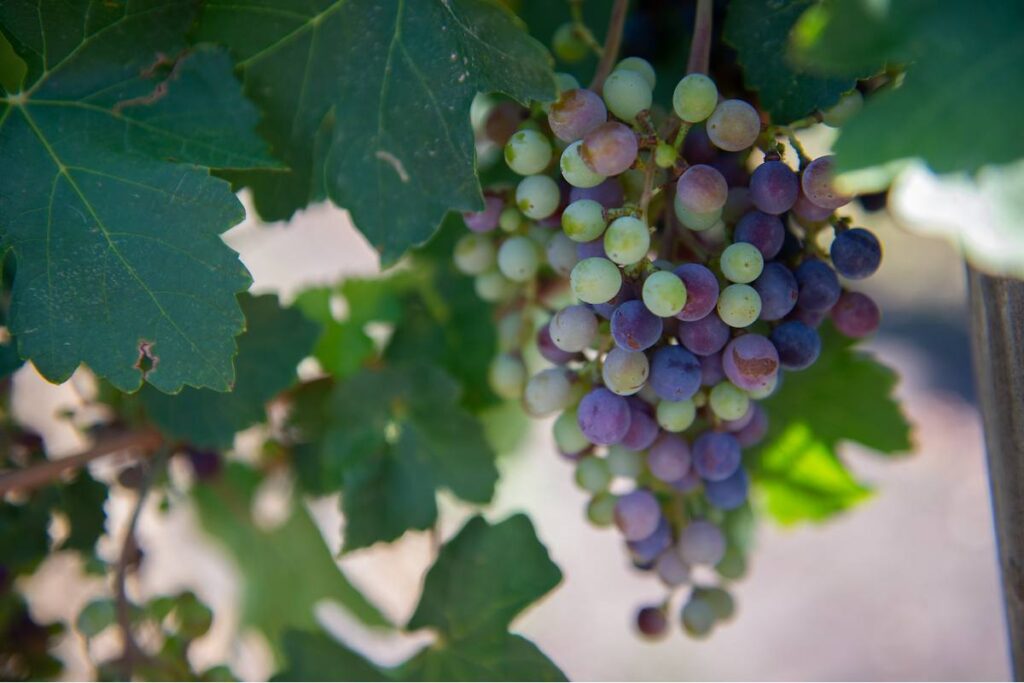
Researchers from Texas A&M AgriLife are sending hundreds of grape seeds to the International Space Station, where they will spend approximately six months exposed to cosmic radiation before returning to Earth for planting and study.
The project could produce what researchers believe to be the first wine made from grapes grown from seeds that traveled through space.
The experiment is part of the Texas A&M/Aegis Aerospace Multi-Use Space Platform Integrating Research and Innovative Technology, TAMU-SPIRIT, research mission. TAMU-SPIRIT-1 is a first-of-its-kind orbital research platform planned for deployment aboard the International Space Station, designed to serve as a “satellite campus in space” and support a wide range of research and technology projects.
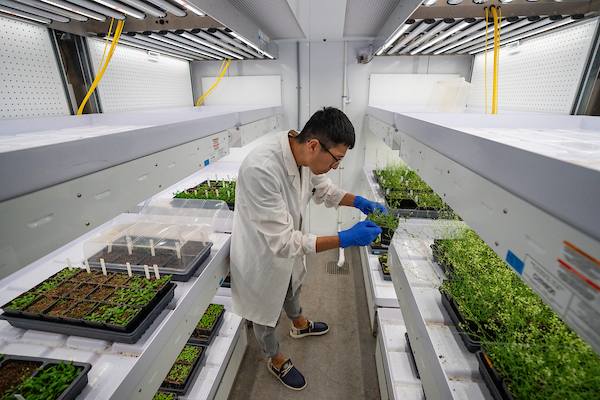
Image by Courtney Sacco | Texas A&M AgriLife
The project began when two senior students, Coby Arnold and Arvind Subramanyam, in the Texas A&M Department of Aerospace Engineering approached Justin Scheiner, an AgriLife Extension viticulture specialist and associate professor at the university's Department of Horticultural Sciences.
With Scheiner’s guidance on grape seed biology, the students designed a carrier to take grape seeds into orbit, where extended exposure to space radiation could induce genetic mutations.
Without the protection and shielding from the carrier, Scheiner said, the radiation exposure would likely leave the seeds non-viable.
Grape seeds: From orbit to the vineyard
After returning to Earth, the seeds will be planted alongside identical control seeds at the AgriLife Research vineyard at the institution's Thomas Ranch. Scientists will study differences in plant growth, vine and wine grape performance, and genetics.
One of three varieties going to space is lomanto, a Texas cultivar developed by horticulturist and pioneering viticulturist T.V. Munson in the early 1900s. Scheiner said the mission represents a “full circle” moment for a native Texas vine that once helped save the global wine industry and now may contribute to the future of horticultural science.
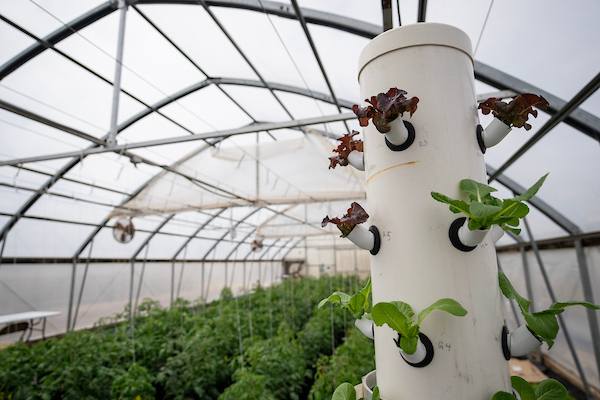
Image by Sam Craft | Texas A&M AgriLife
“The research will help us understand how different levels of radiation impact the seeds and their varietal genetic expression once we grow them, but there is also the novelty that in several years we will potentially be bottling wine from seeds that left Earth,” he said.
Studying mutations, plant resilience, and genetics
Scheiner said the select grape varieties were chosen because they already possess traits and native genetic characteristics valuable to Texas vineyards, like disease resistance and adaptations to soils and water conditions.
Although the academic and his team aren’t engineering rockets, they are focused on “engineering” more resilient, adaptive, and productive plants. This knowledge could benefit both future space missions and crop production on Earth.
Mutations have shaped horticulture and wine production throughout history. Pinot gris, for instance, originated from a single, random mutation in pinot noir wine grapes.
To understand what exposure to space radiation does to the seeds at the molecular level, Scheiner partnered with additional experts in the Department of Horticultural Sciences. The team will analyze the plants for specific radiation‑induced mutations after the seeds return from orbit.
“These grape varieties are tried-and-true for Texas,” Scheiner said. “From a research standpoint, we want to see how being in space might influence these varieties. For the wine geek in me, it would be very interesting if these seeds show some random positive mutation has occurred that represents the single point of origin for a new variety.”
Cultivating the future of space horticulture
In four to five years, the research team expects the vines to produce fruit, ultimately resulting in what may be the first wine made from grapes that traveled to space, Scheiner said.
But beyond its novelty, the project demonstrates how space‑based horticultural research can inform plant breeding, resilience and sustainability on Earth and beyond.
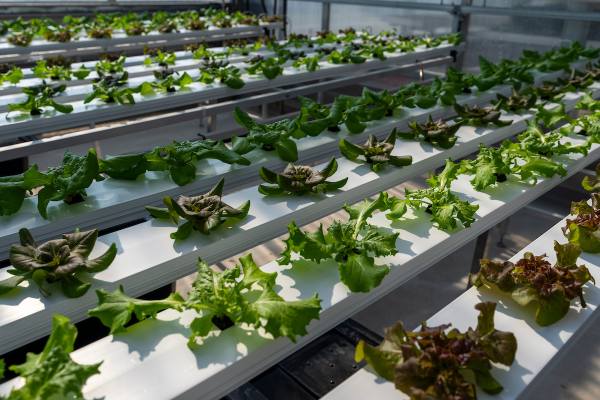
Image by Michael Miller | Texas A&M AgriLife
Amit Dhingra, part of Scheiner's team, said that many aspects of what researchers in the department are already doing, from controlled environment growing systems to the use of biochar and other soil amendments as well as work in plant genetics, apply to horticulture’s future here and in space. But this project and its involvement in the TAMU-SPIRIT-1 mission is one small step toward making space the next frontier for horticulture.
“Horticulture’s role in space exploration, whether for producing food or oxygen or contributing to an astronaut’s overall wellness, sparks the imagination, but plants will be a necessity, and that is exciting for us,” he said. “This project connects the past and the future of horticultural sciences, and how our research can impact growers here and now but also help humanity reach for the stars. And establish roots there, too.”
This story was originally published in Texas A&M's AgriLife Today magazine on June 10, 2026.
*All images courtesy of AgriLife Today.
Related stories
The one gene behind the millions-of-years-old mechanism ruling avocados’ sex-changing flowers
Ag-tech innovator BioPollen expands liquid pollination system across the Americas