

Each week, the series ‘Agronometrics In Charts’ examines a different horticultural commodity, focusing on a specific origin or topic and visualizing the trade market factors driving change. Check out our entire archive.
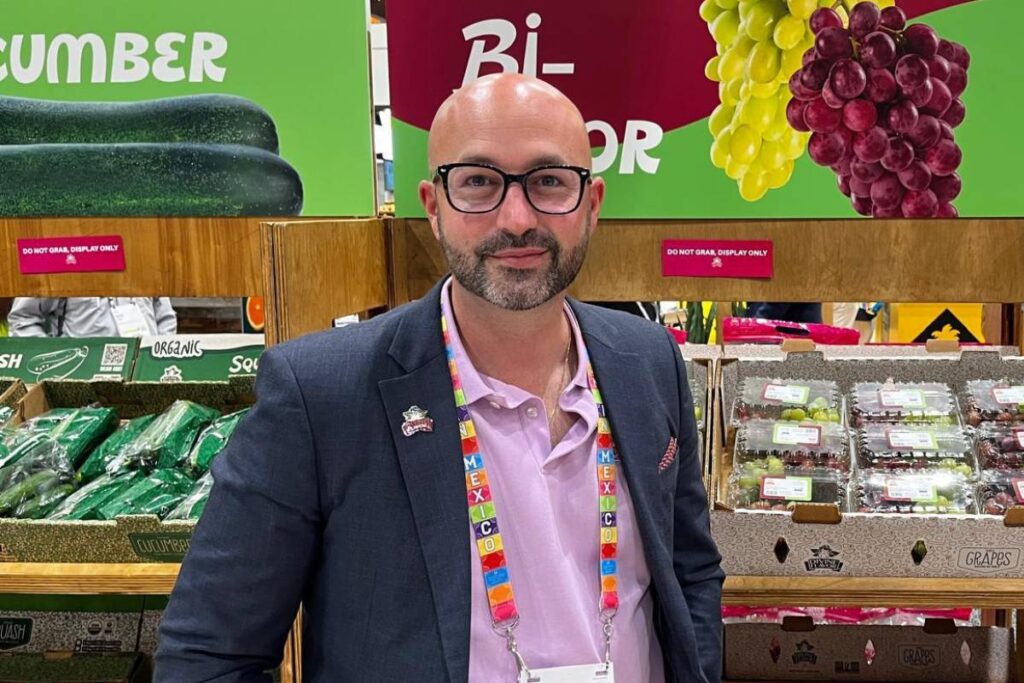
At Fruit Attraction in Madrid, Álvaro Aspée, President of the Chilean Table Grape Committee, spoke with Agronometrics about the Global Table Grape Report.
He covered Chile's varietal transformation, why local growers need to look beyond their own borders, and how a shared global picture can lead to better planning and fewer market imbalances.
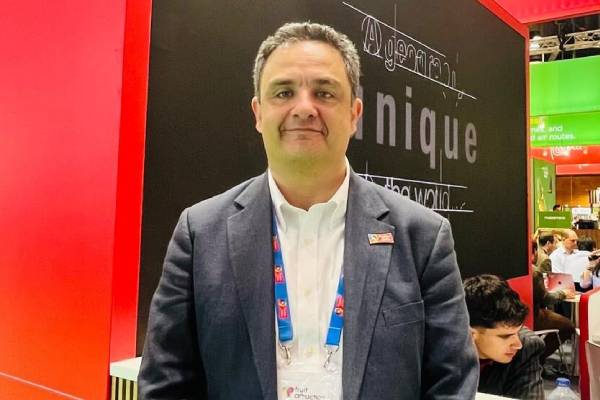
Table grapes have become a global, year-round business. Fruit from one origin is often still in market as the next begins shipping, and decisions taken in one country show up in others weeks or months later. Yet the industry still relies on information largely organized country by country.
The Global Table Grape Report sets out to bring it together. Developed by the Global Grape Group and Agronometrics, the report draws on data from producing countries worldwide.
We spoke with Aspée to hear what the report means for Chile and the wider industry.
For Aspée, the report's main value is giving the industry a common global view. "We are increasingly interconnected, but information is still fragmented by country," he said.
By bringing production, trade, and market trends together in one place, the report helps the industry understand where supply is coming from, where demand is moving, and how different origins interact.
Asked what Chile wants to communicate to the world, Aspée pointed to change. Chile is going through a significant transformation.
"We have renewed a large part of our varietal mix, with around 72 percent of our exports now coming from new varieties," he said.
That renewal does not alter Chile's place in the market. It strengthens it.
"Our message is that Chile remains a major and reliable global supplier, but with a much more competitive product portfolio," he said. That portfolio is built around quality, consistency and what consumers and retailers are asking for today.
For Chile's growers and exporters, the report's usefulness lies in context. "It is not enough to know what is happening in Chile," Aspée said.
Chilean companies also need to understand production in Peru, California, South Africa and other origins, how destination markets are developing, and where supply windows overlap. That broader picture, he said, helps companies make better production, commercial and market decisions.
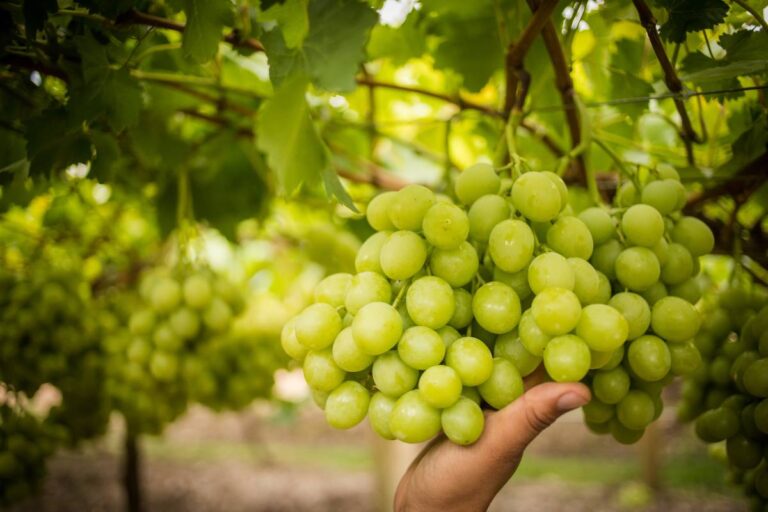
Because table grapes move through the year from one origin to the next, any single decision's effects travel. "Decisions made in one origin affect other origins several weeks or months later," Aspée noted.
A global picture lets the industry see what is coming: supply concentrations, overlaps between countries, shifts in destination markets, and emerging opportunities. "Better information should ultimately lead to better planning and fewer imbalances in the market," he said.
The problem is not a lack of information. Plenty is available, Aspée said, but it is often fragmented, hard to compare, or focused on individual countries.
One of the report's most important contributions is bringing that information together under a common framework. As more countries take part over time, comparability will improve, building a much clearer picture of global production, trade, varieties and market dynamics.
"The report becomes more valuable as more producing countries participate," he said. The goal is not to promote one origin over another, but to build a better understanding of the global table grape industry as a whole.
"More associations mean better data, broader perspectives and a stronger platform to address common challenges and opportunities," he added.
There is also room to work together on growing global table grape consumption. Associations can take part in initiatives such as the Have a Grape Day campaign through a marketing opt-in model. Countries that want to invest in global promotion can join voluntarily, while those marketing investments stay separate from the Global Grape Group's common activities and budget.
For Aspée, the logic is simple: the more of the industry in the picture, the clearer it becomes for everyone.
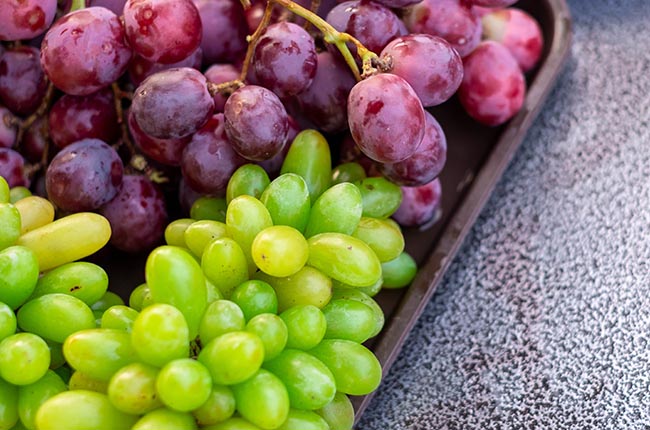
*Álvaro Aspée's portrait courtesy of Agronometrics. Main image is referential via Shutterstock.
Related stories
Heavy rains disrupt Chile's critical late grape harvest
Chile's fruit fly war: 50 percent of outbreaks in the season are eradicated
Chile's first seaborne cherry shipment sails to China on the Cherry Express service