




The main destination for Peruvian table grapes was the United States, accounting for 46% of the total share, with a little over 29 million boxes received.

Supply issues began in August when Hurricane Hilary struck California. From there, the industry witnessed a domino effect of adverse conditions.

U.S. retailers are focused on table grape imports and fruit in cold storage as the local harvest period has come to an end.

With approximately 30% of the crop harvested when the hurricane hit, it is projected that 35% of the remaining crop – 25 million boxes – has been lost.

Weather reports indicated that the storm’s record-shattering rains wreaked havoc in parts of Southern California, producing catastrophic flash floods and torrential debris flows in Riverside and San Bernardino counties.

After three years of reduced output, US table grape production will climb by 24,000 tons to 850,000 tons in the 2022–2023 growing season.
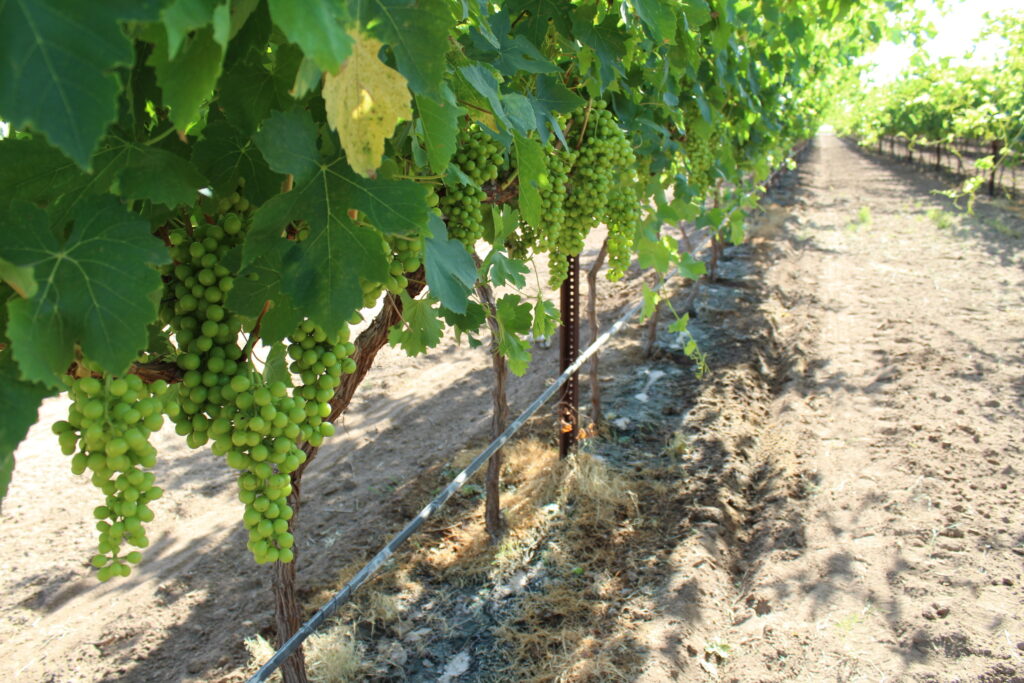
California vineyards experienced a variety of rainfall amounts in early September, leaving growers with radically differing views of table grape damage

"As an industry, we need to review where we are, where we are going, and how to get there. This means looking at exciting technological advances, new varieties, and how to protect company secrets, yet at the same time share best practices," said McClarty.

The 2022 California table grape season is off to a solid start with similar volumes to 2021 expected this year, but high costs, the ongoing shipping crisis and the added challenge of inflation remain a cause for concern.

A Chilean-headquartered law firm is working with exporters and growers to file the lawsuit in a U.S. East Coast court against shipping companies and the Port of Philadelphia.