








Tru-Cape celebrates trade agreement between South Africa and China, urges government to further tariff reform
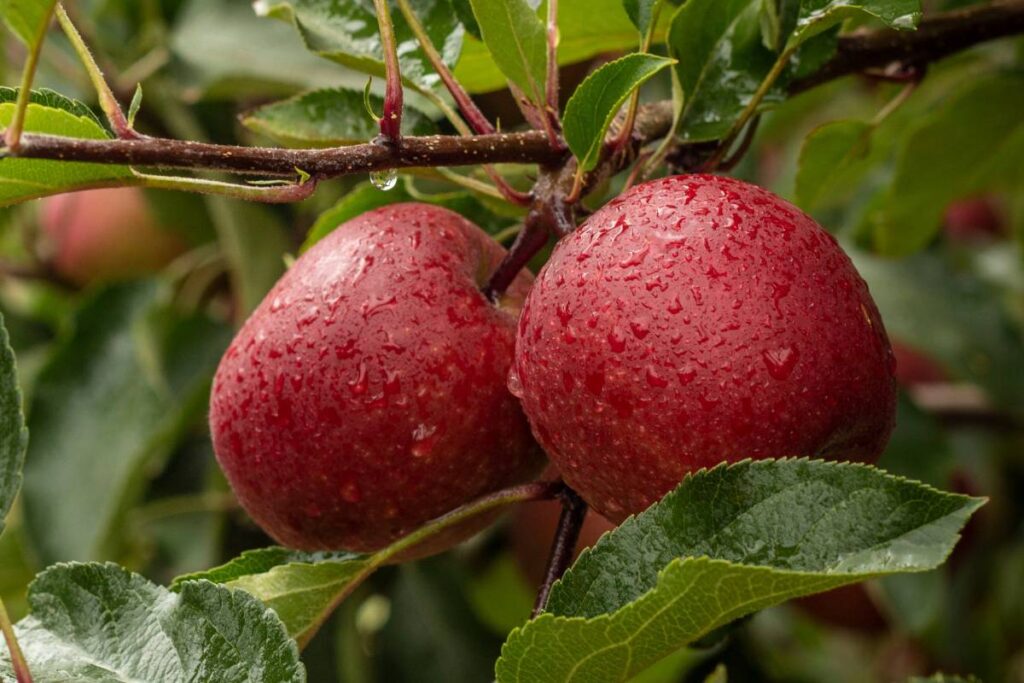



South Africa’s leading exporter of apples and pears Tru-Cape welcomed the recent signing of the Comprehensive Economic Partnership Agreement (CAEPA) between the African country and China. The deal allows for the progressive reduction of the 10 percent Chinese tariffs on South African fruit, with full duty-free treatment scheduled for May 1, 2026.


In a press release, the company described the move toward zero-tariff access as “a strong signal of the government’s commitment to supporting the long-term growth and sustainability of the fruit industry in key global markets.”
The Chinese market opened to South African apples in 2015 and to pears in late 2021. Although initial export volumes were modest, shipments have grown exponentially as the relationship between the two countries has developed and market understanding has deepened.

“Between 2024 and 2025, Tru-Cape’s volumes to China increased by 35 percent,” says Roelf Pienaar, Managing Director of Tru-Cape. “While China still represents a relatively small share of our total exports, it is extremely encouraging to see this consistent upward trajectory.”
The executive emphasized that the agreement levels the playing field with other Southern Hemisphere competitors, such as New Zealand. This will enhance the competitiveness of the South African fruit industry and open the doors for star products like Gala, Envy, and Fuji apples, as well as Forelle pears and other premium varieties.
Tru-Cape's call to lift trade barriers for South Africa
While Tru-Cape celebrated the CAEPA, the company called on the South African government to continue striving toward trade agreements and tariff reforms, emphasizing that they are essential to ensure broader market access diversification.
For Piennar, India is a priority market with substantial potential, where South African apples currently face a 50 percent import tariff, and pears are subject to duties of 30 percent to 35 percent. The South Asian country has historically been highly protective of its agricultural industry, but the recent signing of a framework trade agreement with the US, which opened the market for American apples, may set a precedent for future negotiations.
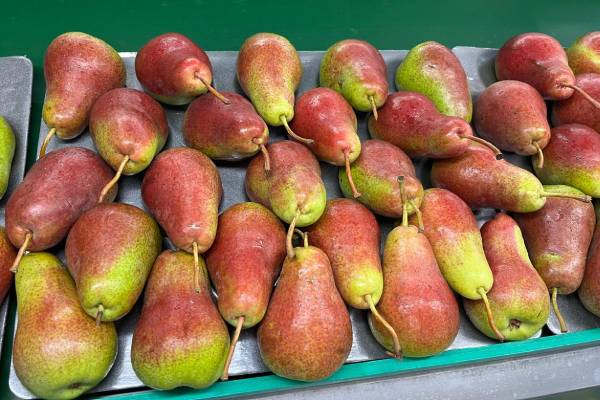
He also pointed out that South African apples and pears face higher tariff barriers in the United Kingdom and across European Union markets compared to major competing markets in the region.
“More favorable tariff agreements would not only strengthen our position in international markets, but would also place more funds in producers’ hands for on-farm investment and, ultimately, job creation,” he said.
The Tru-Cape exec remembers a time when the company’s Far East program was largely concentrated in Malaysia and Singapore. Today, expanded access to China, Indonesia, Thailand, Vietnam, Sri Lanka, and Bangladesh has significantly reshaped the export landscape.
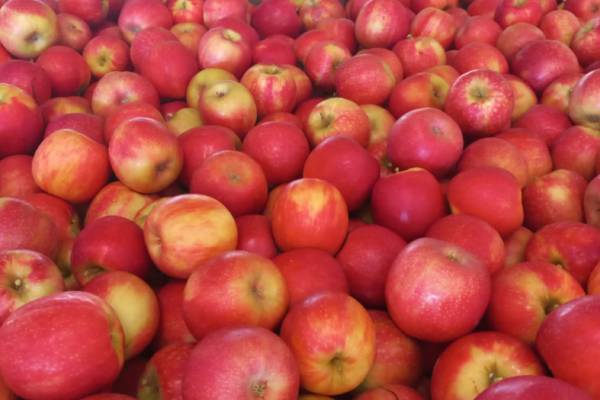
“Access to multiple markets creates alternatives for placing different varieties, sizes, and grades,” he explained. “Overreliance on a single market is never advisable.”
The industry is hopeful of gaining access to the Philippines in the near future, while Pienaar added that Taiwan should be reopened to South African apples.
*All images courtesy of Tru-Cape.
Related stories
After a decade of negotiations, South African table grapes gain access to the Philippines
South Africa's 2026 apple exports projected to climb five percent while pear volumes decline











Subscribe to our newsletter