From weather challenges to export success: A look into the 2026 Southern Hemisphere citrus season
 Add Fresh Fruit Portal to Google
Despite weather woes keeping growers on their toes, the Southern Hemisphere citrus season is ramping up supplies and boasting great quality across crops.
In the Andes region, Chile is forecasting a larger overall export harvest, with the United States as the top destination. Across the Atlantic, South African lemon exports are projected to increase by seven percent. The country remains the largest citrus exporter in the hemisphere, followed only by its Latin American counterpart.
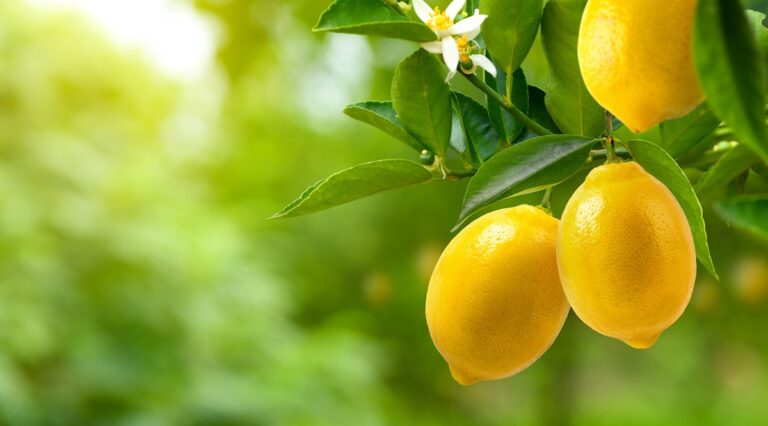
Meanwhile, in the land down under, Australian orange and mandarin production, which reached record levels in 2025, is expected to surge again as trees planted in 2019 have now reached full maturity.
According to Chilean fruit guild Frutas de Chile, shipments are expected to reach 530,000 metric tons in 2026, up six percent year-on-year. The US currently accounts for nearly 80 percent of the country’s citrus exports.
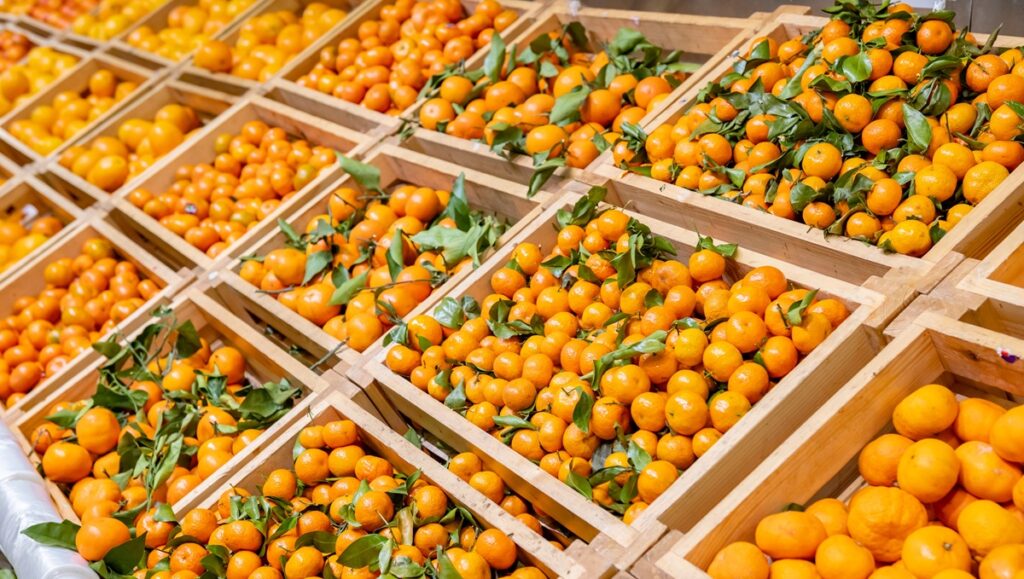
Mandarins lead Chilean export projections at 190,000 metric tons, followed by oranges at 134,000 metric tons and lemons at 131,000 metric tons. Clementine exports are initially projected at about 75,000 metric tons, although weather-related delays in the northern Coquimbo Region could affect final volumes.
"Persistent sunny days and high temperatures delayed the color break in Coquimbo, affecting the normal start of harvests and contributing to the slower pace of exports," explained Citrus Committee President Monserrat Valenzuela.
Southern Hemisphere citrus sector focusing on market strategy
Market conditions in the US continue to support Southern Hemisphere citrus imports. Valenzuela said the end of Peru's clementine season, a delayed start for Peruvian mandarins, and lower domestic US availability have created favorable conditions for Chilean exporters.
For mandarins, Chilean growers could begin harvesting about one week earlier, allowing exporters to enter the market before competition intensifies. However, the Citrus Committee said exporters should monitor the start of California's mandarin season, which is set to begin earlier than usual.
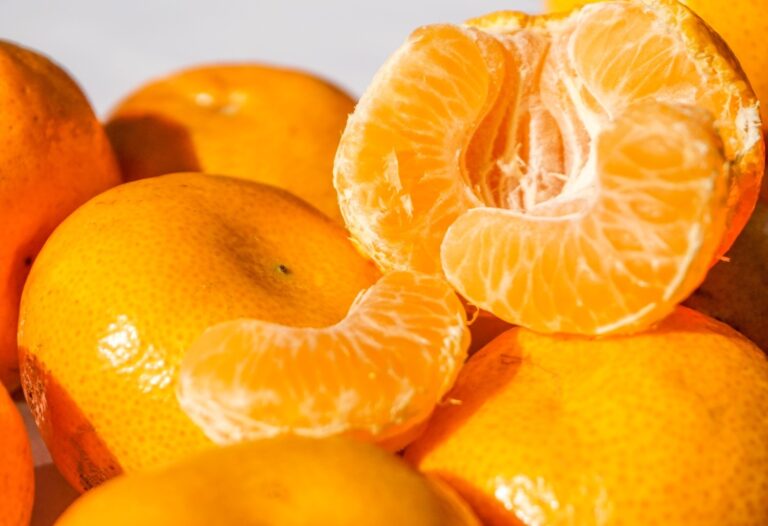
"The committee’s recommendation is always to avoid sizes with lower market acceptance. For easy-peelers, we suggest not exporting sizes 5 and 6, as there is currently no commercial room for them in the market," Valenzuela emphasized.
Australian suppliers are also targeting key seasonal sales windows. QDC Fresh said its citrus program is designed to support summer, back-to-school, and fall merchandising periods in the US.
Chilean citrus takes the US
For oranges, Chile expects the first export shipments to arrive while significant volumes of domestically grown Valencia oranges remain available in the US, creating a more competitive environment.
"Chilean oranges show good quality this season, with better soluble solids levels compared to last year, while maintaining good acidity," the committee president highlighted.
The lemon category faces a different challenge. The Citrus Committee said abundant supplies from multiple origins continue to pressure the international market despite steady demand.
Through week 24, Chile exported 33,814 metric tons of clementines, down 26 percent from the same period in 2025. The US accounted for 97 percent of shipments, and Clemenules and Orogrande represented nearly 80 percent of exported volume.
Lemon exports reached nearly 22,000 metric tons through week 24, an increase of 108 percent year-on-year. Japan and the US remained the leading destinations.
Orange exports totaled 1,902 metric tons through week 24, down 63 percent from the same point last season. The Chilean O'Higgins Region accounted for nearly half of shipments, while Latin America and the US remained the primary markets.
Valenzuela said exporters will need to remain disciplined as the Southern Hemisphere season progresses.
"The Chilean season faces a challenging environment that demands greater rigor, but it offers good opportunities for fruit with good quality and arrival conditions," she concluded.
*All photos referential.
Related stories
Southern Hemisphere citrus forecast: Production down 6 percent, exports expected to rise 4 percent
Georgia Ports Authority forecast 15 percent Southern Hemisphere citrus surge