Apples were key to Brazil's record exports in the first half of 2026

 Add Fresh Fruit Portal to Google
The Brazilian Association of Fruit and Derivative Exporters (Abrafrutas) reported that the largest apple harvest in history boosted the country's export supply, despite logistical and geopolitical challenges.
Between January and June, Brazil exported 42,800 tons of apples worth $44.4 million, contributing significantly to the record reached by Brazilian fruit exports during the semester. Shipments increased by over 225 percent in volume and 224 percent in value compared to the same period in 2025.
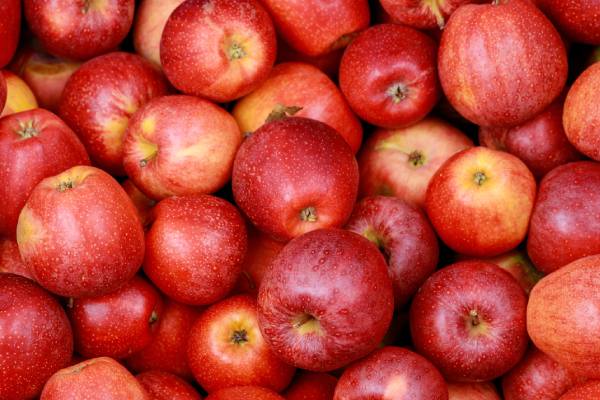
Apple shipments were impacted by the Iran war
To explain the sector's strong growth, the entity consulted the Brazilian Apple Producers Association (ABPM), whose executive director, Moisés Albuquerque, attributed the result to the exceptional 2025/26 season.
"After two years of very small harvests, affected by climatic factors, the 2025/26 season is simply the largest in our history," said the expert.
However, he added that the expectation was to export even more, since his sector had the conditions to triple that volume. However, the main limiting factor was the conflict in the Middle East, "an extremely important market for Brazilian apples."

The executive explained that the war not only reduced sales in the region but also intensified competition in other markets, since a significant part of the volume that Brazil's competitors stopped sending to the Middle East was redirected to destinations where the South American country is also present.
"Furthermore, the conflict caused logistical problems, including a shortage of containers, which hindered shipments. Without these obstacles, we could have recorded one of the highest export volumes in our history," he stated.
India, the leading destination for Brazilian apples
Despite this scenario, market diversification allowed the country to maintain a solid export pace.
India consolidated its position as the main destination for Brazilian apples during the first half of the year, followed by Saudi Arabia and Russia. The latter is considered by the ABPM as a market with significant growth potential.
Exports also reached countries in the European Union, the United Kingdom, South America, and Central America.
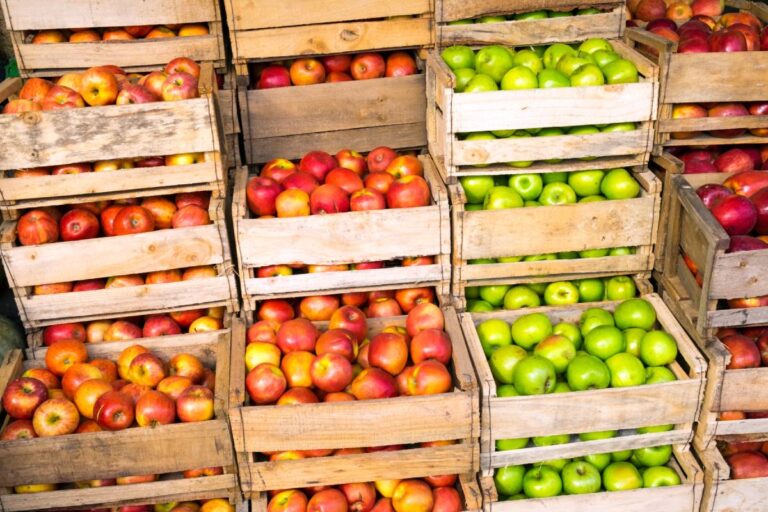
Looking ahead to the second half of the year, the ABPM anticipates a natural decrease in shipments due to the seasonality of the global apple market. More than 90 percent of global production is concentrated in the northern hemisphere, where harvest takes place between July and December, reducing the export window for Brazilian fruit.
*All images are referential via Shutterstock.
Related stories
Brazilian apple industry rebounds with 222 percent surge in export revenue