


 By Margarete Boteon, Professor at Esalq/USP and horticultural researcher at Cepea.
After weeks of anticipation, the United States government confirmed on July 15th the application of a minimum additional tariff of 25 percent on thousands of Brazilian products.
However, for the fruit, vegetable, and coffee sectors, the immediate impact is likely to be relatively limited. This is because a large portion of Brazil's main exports to the US market remained on the list of exceptions published by the Office of the United States Trade Representative (USTR), preserving the competitiveness of important chains in Brazilian agribusiness.
Among the exempt products are oranges, lemons, mangoes, papayas, pineapples, bananas, avocados, guavas, kiwifruit, coconuts, and various types of nuts, as well as orange juice, green coffee, roasted coffee, and unflavored instant coffee, and several processed fruit products.
The decision significantly reduces the direct impact of the measure on Brazilian exports to the United States.
The main winner of this tariff round is orange juice, whose share in Brazilian exports to the United States remains strategic.
In the 2025/26 harvest, the United States accounted for approximately 45 percent of the total volume exported by Brazil, a share similar to that of the European Union, consolidating itself as one of the main destinations for the product.
In the same season, Brazilian exports of not-from-concentrate (NFC) orange juice to the United States grew by approximately 15 percent. Considering the group comprised of frozen concentrated orange juice (FCOJ) and other orange juices, shipments destined for the North American market increased by 18.3 percent compared to the previous harvest, driven mainly by increased purchases of FCOJ.
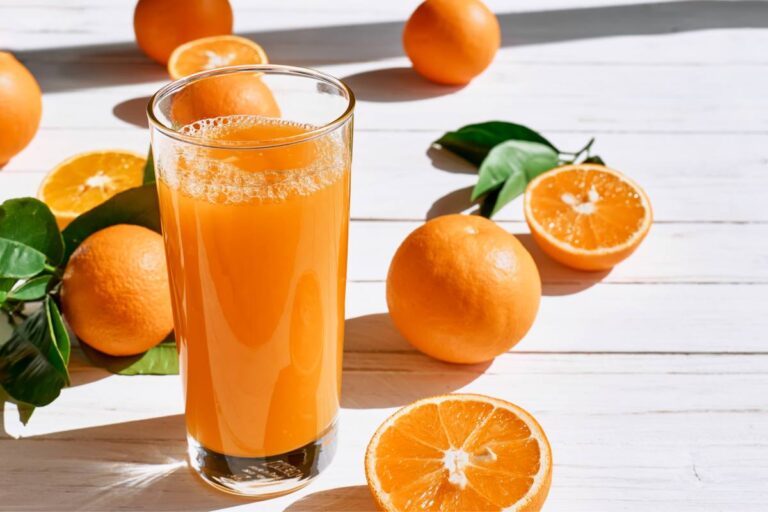
Maintaining these products on the list of exceptions preserves Brazilian competitiveness in a market responsible for approximately 45 percent of national orange juice exports.
Although Brazilian juice has historically been subject to import tariffs in the United States, not applying the additional 25 percent surcharge avoids an even greater loss of competitiveness against competitors. The decision also benefits other citrus derivatives, such as citrus pulp and essential oils, which, according to industry body CitrusBR, were mostly also included among the products exempt from the additional tariff.
The decision was also favorable to the coffee sector. Compared to the initial proposal presented by the USTR, the final version expanded the list of exceptions, including not only green coffee, but also roasted and soluble coffee without flavoring. As a result, virtually all Brazilian coffee exports destined for the United States remained exempt from the additional 25 percent tariff.
Preserving these categories is particularly important because the United States remains among the main buyers of Brazilian coffee. According to Cecafé, Brazil exported 38.46 million 132-pound bags in the 2025/26 season, a volume 16 percent lower than the previous cycle due to lower domestic supply. Even so, foreign exchange revenue reached $14.6 billion, the second highest in the historical series, sustained by high international prices.
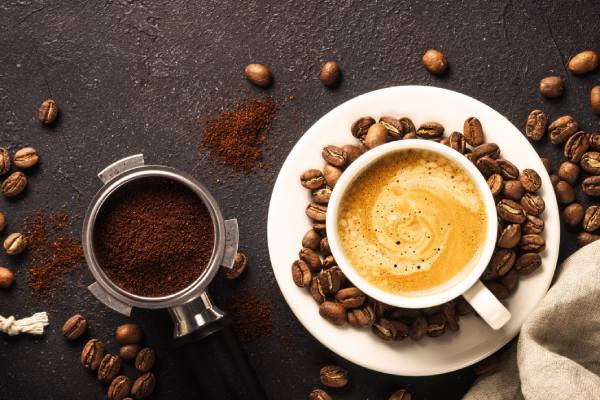
Although Brazilian coffee remains subject to the fluctuations of US trade policy, the inclusion of roasted coffee and, especially, instant coffee among the exempt products eliminates one of the main risks identified by the sector during the public consultation conducted by the USTR.
The decision preserves the competitiveness of Brazilian exports and reduces potential impacts on the US industry, which is highly dependent on external supply.
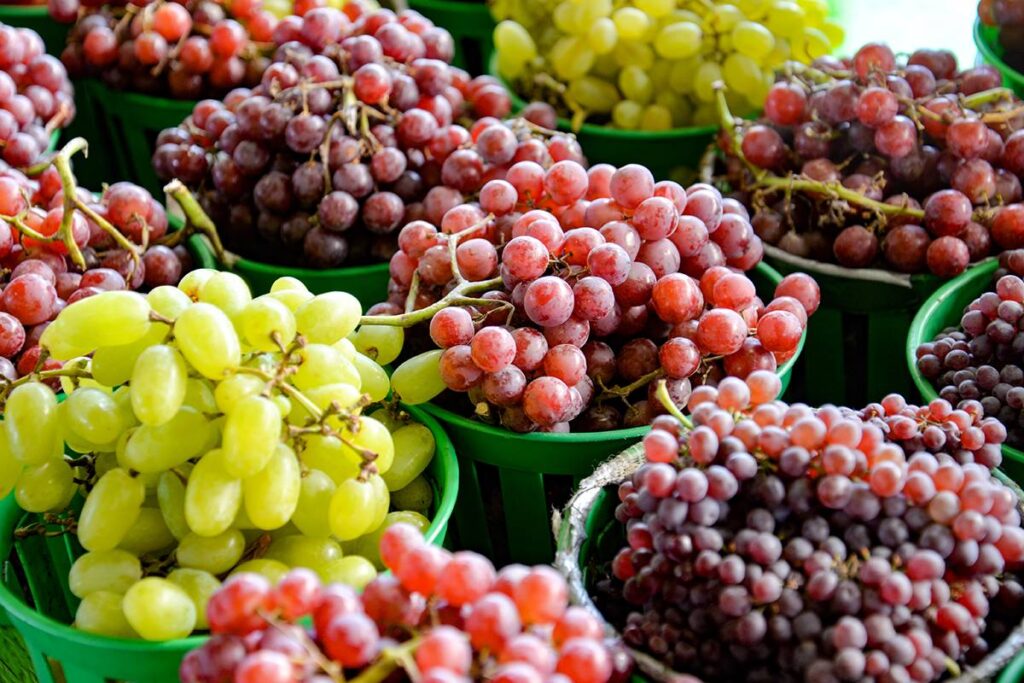
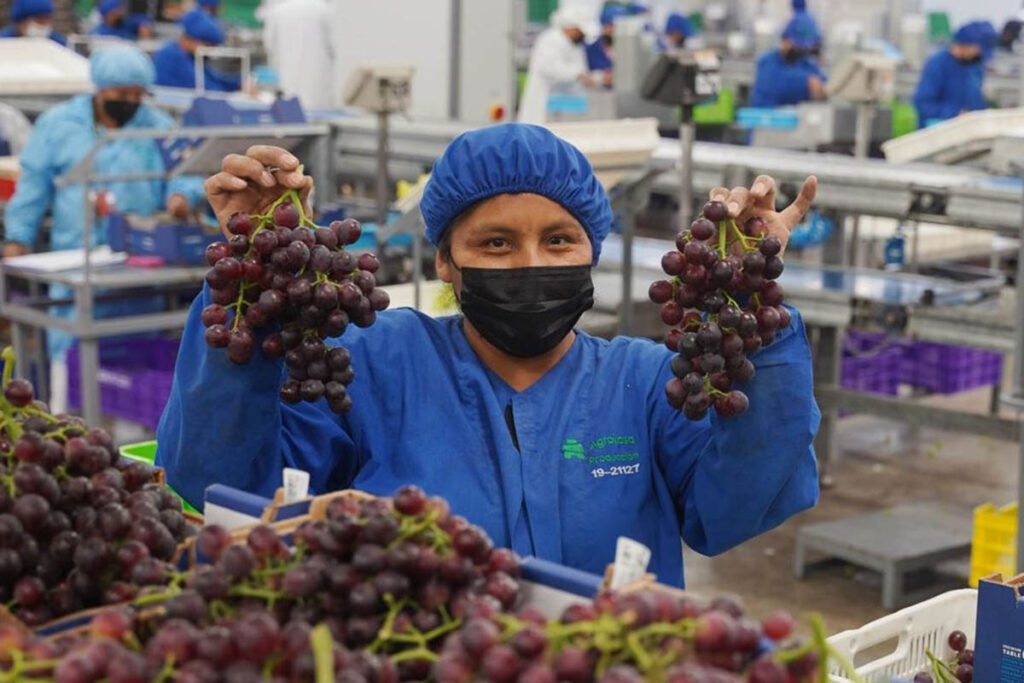
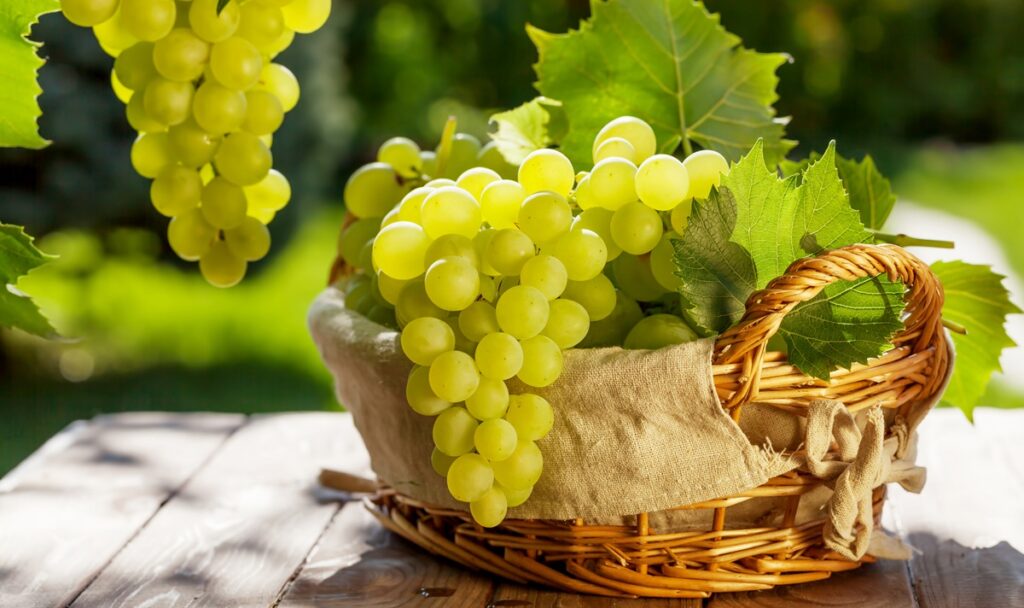
In the fresh fruit segment, the main concern is focused on table grapes.
The codes for position HTSUS 0806, referring to fresh and dried grapes, do not appear in the official list of exceptions consulted. If this condition is maintained in the final version of the provision, Brazilian table grapes will be subject to an additional tariff of 25 percent.
Nevertheless, the economic impact tends to be more limited than in other sectors. Brazilian grape exports to the United States had already been losing competitiveness since the imposition of the previous tariff, significantly reducing that destination's share of the fruit's external sales.
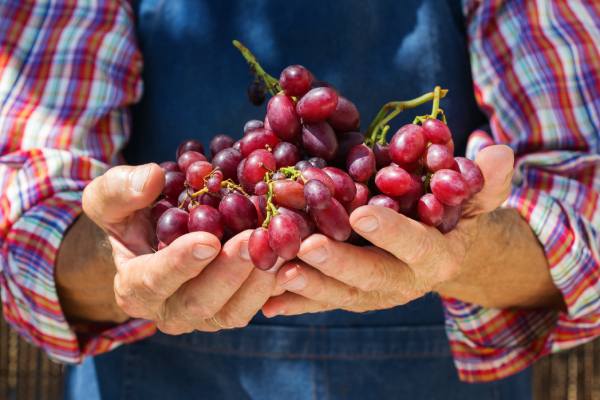
Although the North American market represented an important commercial window, Europe remains the main destination for Brazilian grapes. However, limiting shipments to the United States may prevent an expansion of these exports.
In general, the US government's decision preserved the main products in Brazil's export portfolio: fruits, orange juice, and coffee. Adding these items to the list of exceptions reduces immediate tariff impacts on agribusiness and avoids losses in competitiveness in markets considered strategic for Brazil.
On the other hand, sectors that remained off the list, such as the table grape industry, continue to monitor the final regulation of the measure and its possible implications for bilateral trade.
This opinion piece was originally published on the CEPEA website on July 17, 2026.
*All images are referential via Shutterstock.
On August 12, 2026, Monticello Conference Center, in Santiago, Chile, will host a new edition of the Global Grape Convention.
Organized by Yentzen Group, Frutas de Chile, Provid, Global Grape Group, and Mexico Table Grapes, the event will bring together leading international experts in an unmissable day of strategic content, key trends, and high-level analysis to anticipate market challenges.
The convention is a unique platform to connect with buyers, distributors, exporters, and retail leaders, generating real business opportunities and strengthening networks in a highly specialized environment.
For more info, contact events@yentzengroup.com
Tickets available at globalgrapeconvention.com
Related stories
Brazilian table grapes seal zero-tariff deal with the EU
Opinion | Why Southern Hemisphere table grapes remain an attractive (though challenging) business
Brazil welcomes BRS Pérola, a white seedless table grape variety with up to 12 tons per acre