




The reason behind the department's decision remains unclear, but it leaves Chilean exporters with little to no recourse to reverse the ruling in this case.
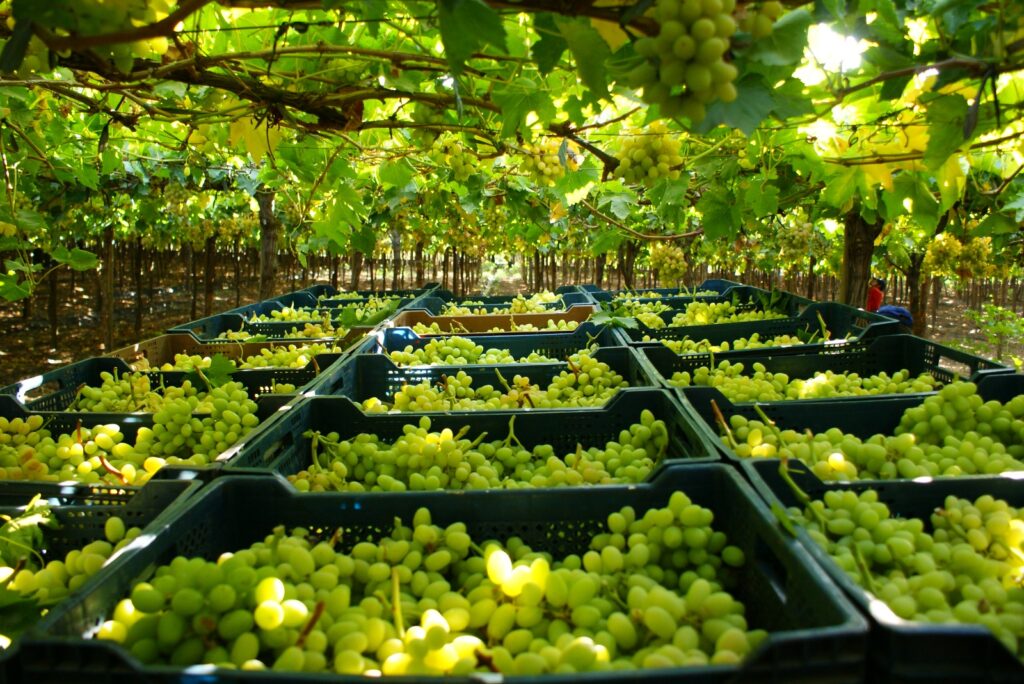
Key varieties like Crimson grapes face increased risk of splitting and rot as producers step up preventive measures.
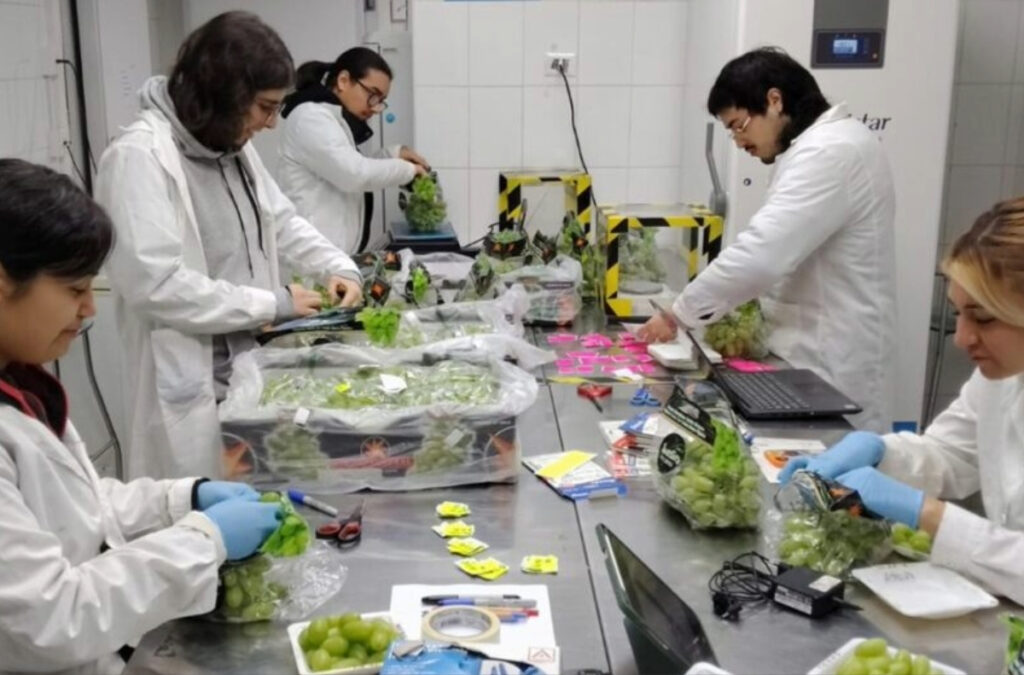
INIA, the country’s leading agricultural research institute, is looking to determine if adopting controlled irrigation systems can conserve water, without sacrificing fruit quality.
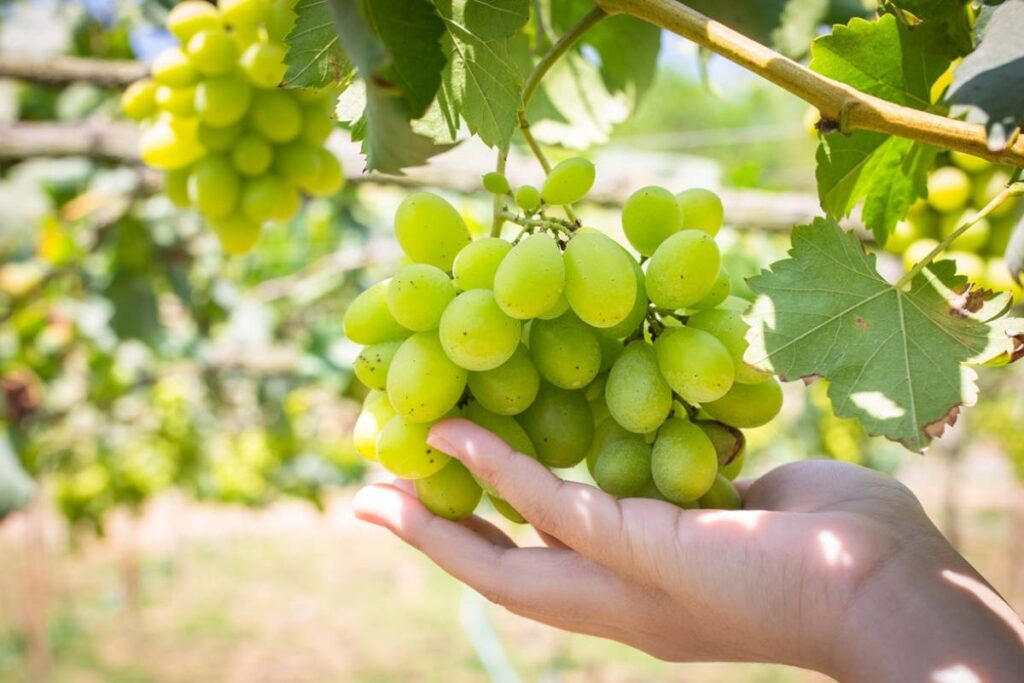
Industry body Frutas de Chile said the slight downward adjustment was mainly due to climatic conditions and changing dynamics in the country's producing regions.
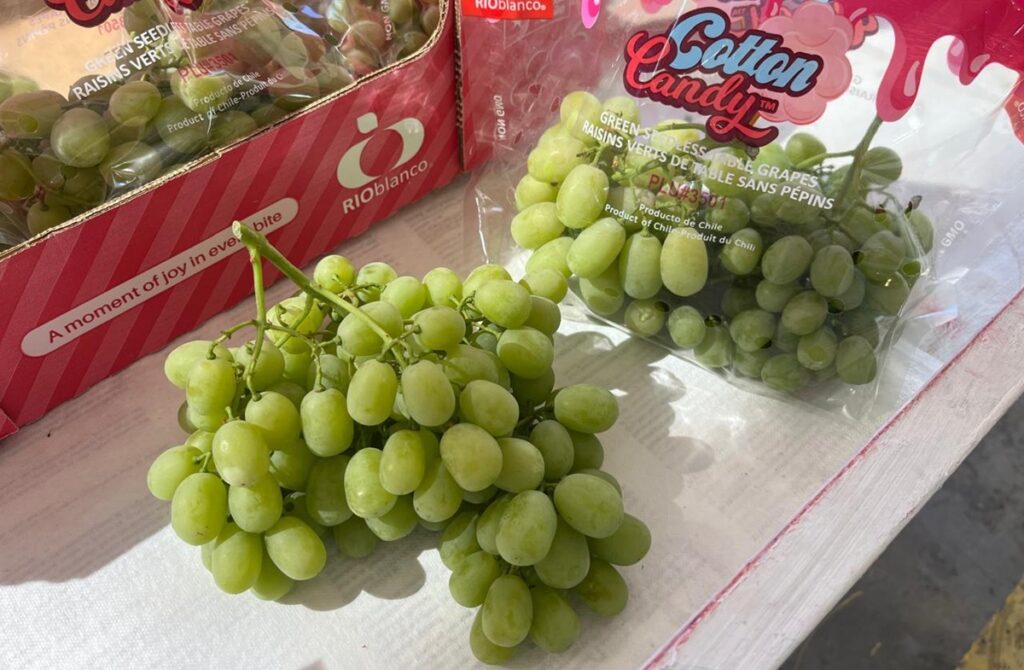
With more stable market conditions, the firm is reducing its reliance on the US market by exploring European and Latin American clusters.
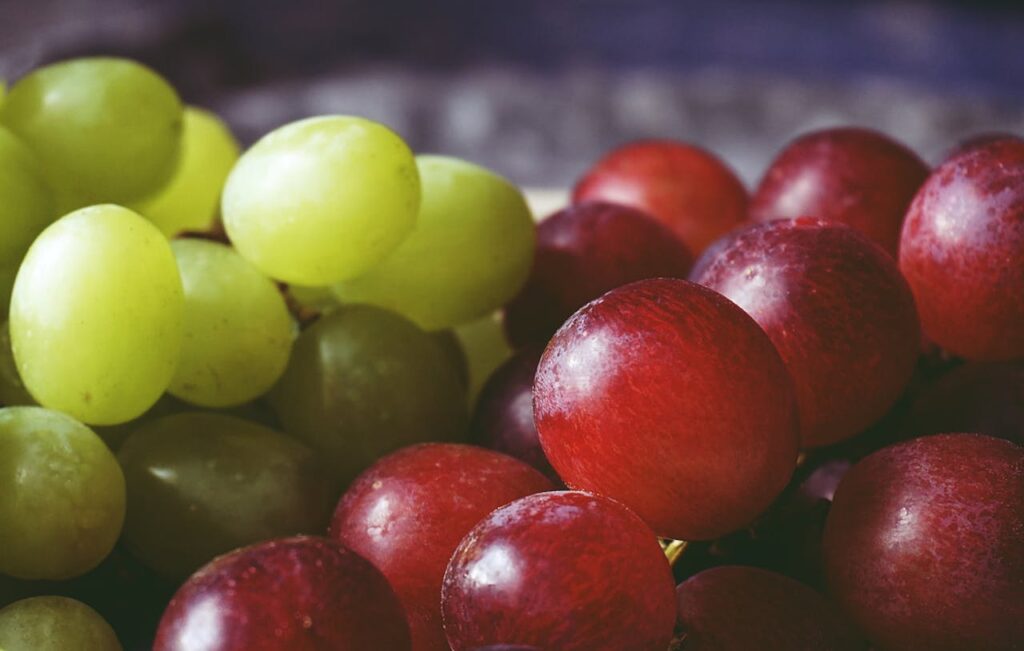
Despite market pressure from other origins, high-quality output should fetch attractive prices in Europe starting in April.
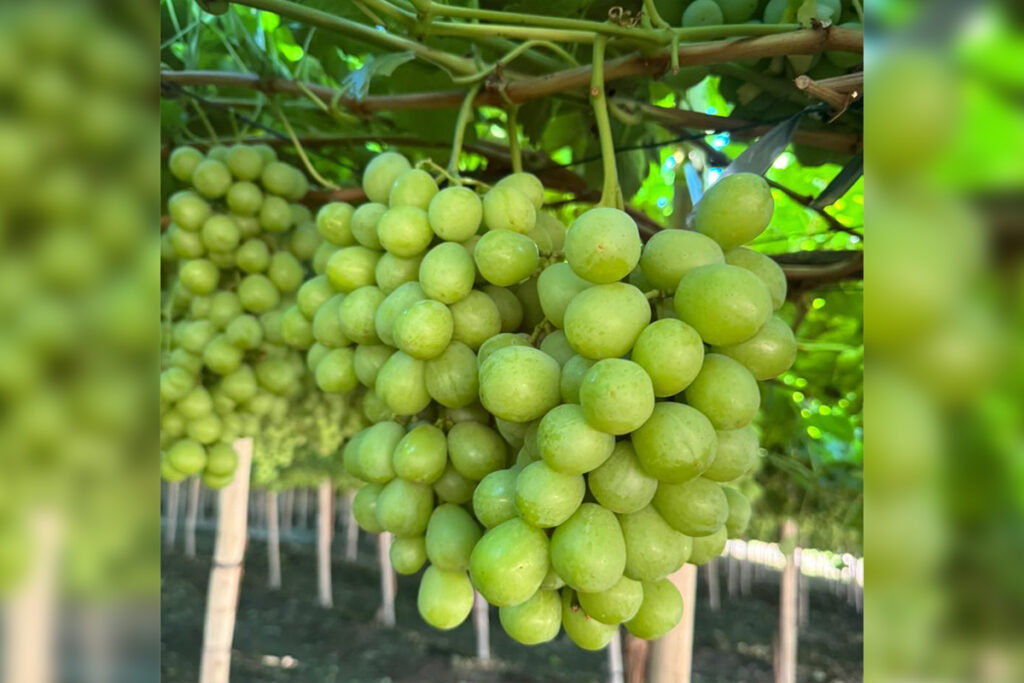
Despite improvements in product and prices, the US market presents challenges for the industry due to a supply overlap with Peru.
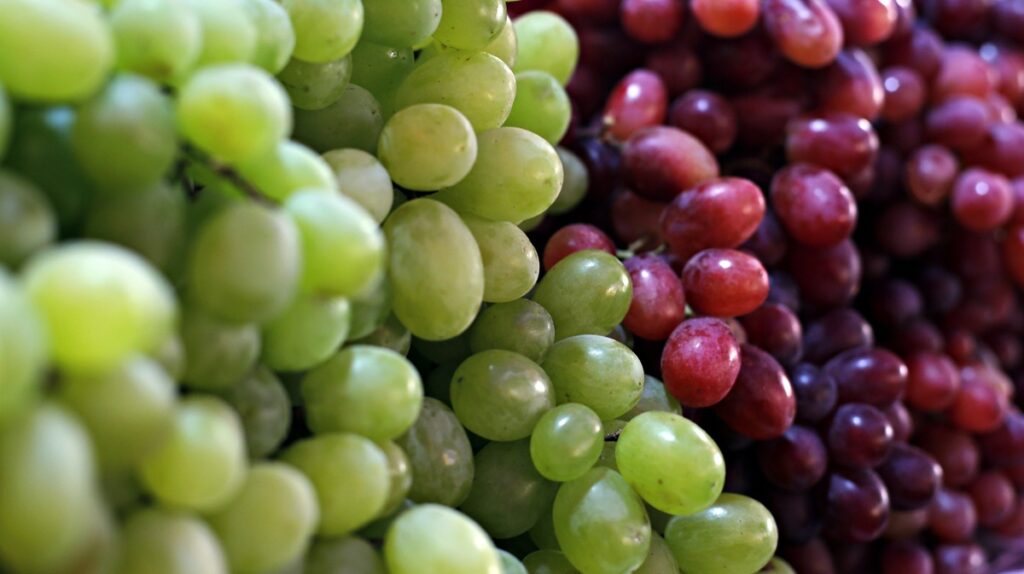
From tariff pressure to port congestion, exporters faced a more complex playing field this year. The industry’s response signals a tighter focus on quality, timing, and collaboration.
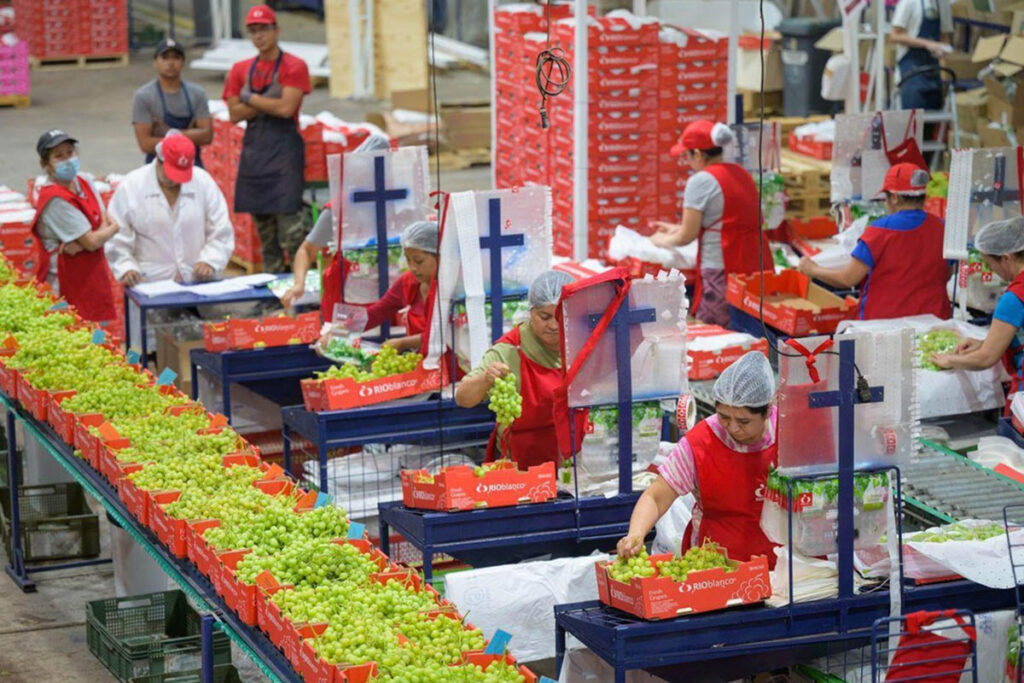
Slow and steady, the company started the 2025-26 season with low volumes destined for high-paying US customers. But the producer is also being cautious, aiming for a diversified market strategy for the upcoming years.
The filing opens a 90-day period during which the agency will defend its 2024 decision to unlock the protocol for exporters in the Latin American country.