



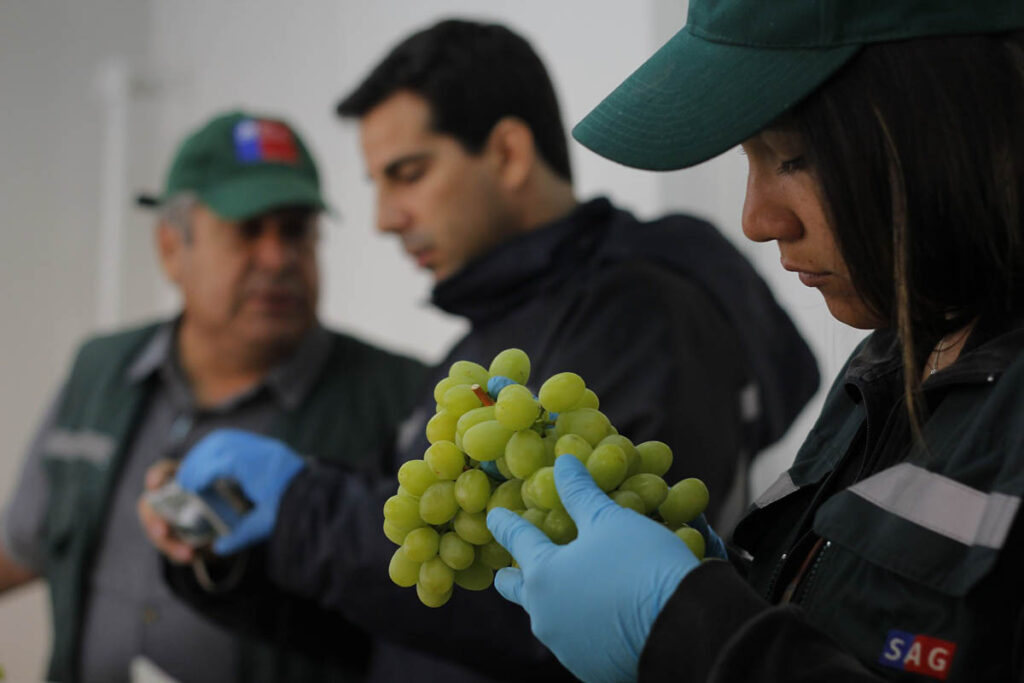
In a notice, the agency stated "APHIS will only issue import permits for grapes treated with fumigation either in Chile or upon arrival at a US port of entry,"
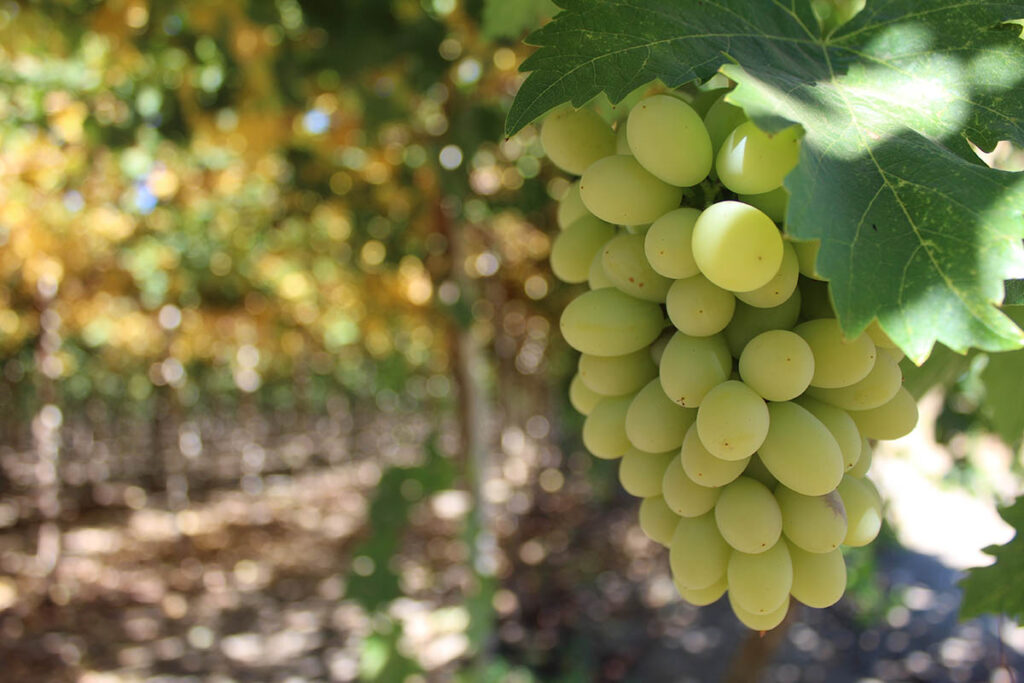
At Fruittrade 2025, experts broke down the impact of the 10 percent tariff as well as the repercussions of the suspension of the Systems Approach on exports to the United States.
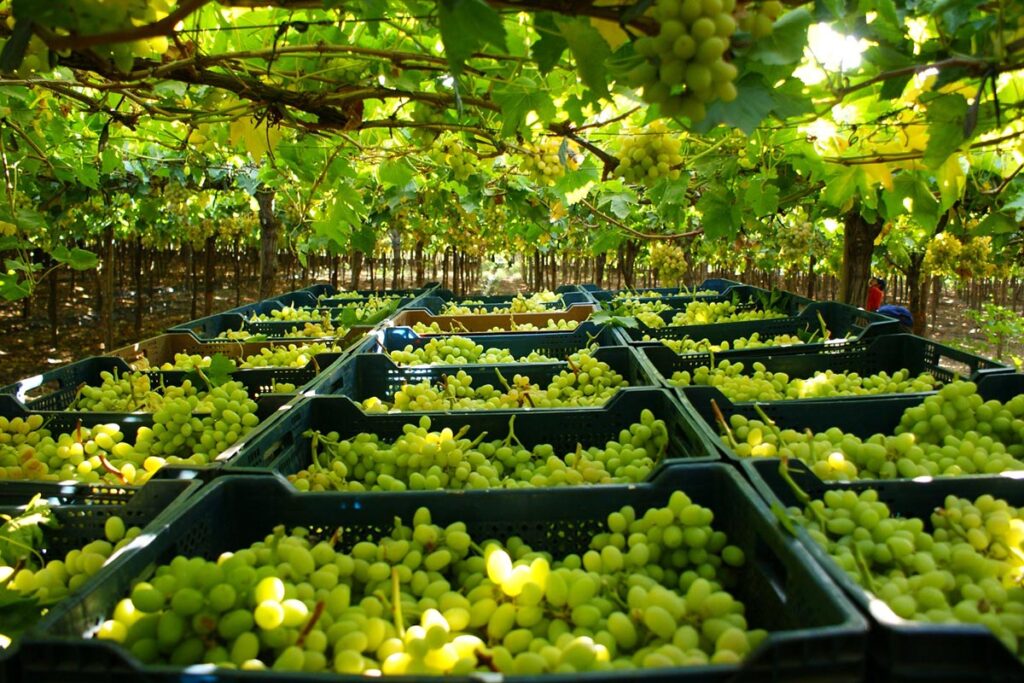
In his decision, Judge Ali labeled the initial authorization by USDA's Animal and Plant Health Inspection Service (APHIS) as "arbitrary and capricious."
Over the past 20 years, US table grape imports have increased by 27 percent, a direct result of an ongoing upward trend driven by consumer preference for healthy, high-quality products,

Rafael Rodriguez, president of Uvanova, spoke with Freshfruitportal.com about the current state of the fruit, its markets, prices and the performance of the Systems Approach.

These shipments are expected to generate returns of $107 million for Chile, especially benefiting producers and regions approved to implement this phytosanitary protocol.

This is the second consecutive season that the Chilean Table Grape Committee expects growth in shipments.

The complaint says the authorization unlawfully abandons traditional, time-tested safeguards and exposes U.S. grape producers to significant risks and costs, including those related to invasive pests.

Representative from the phytosanitary certification sub-department of SAG, Jaime Álvarez, outlined the details of the program and provided recommendations to producers who wish to be part of the initiative.

The Chilean table grape industry exported 64 million boxes, equivalent to 528,795 tons during the 2023-24 fiscal year.